
Occasional invaders: types, identification & control
Occasional invaders live outdoors and come inside when the weather turns — heat, heavy rain or the first cold snap. They rarely breed indoors, which means exclusion and a perimeter treatment fix the problem far better than spraying inside. Identify the invader below to see what draws it in and when it shows up.
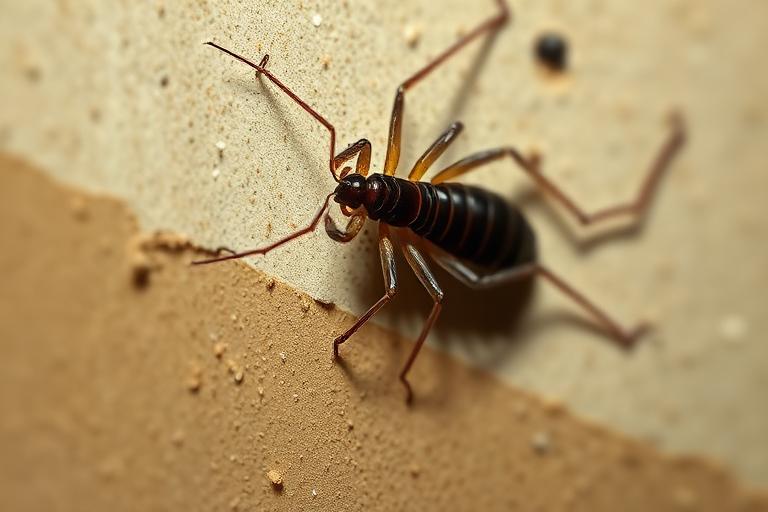
The 13 types of occasional invaders we treat
House centipedes
Fast many-legged bathroom and basement invaders.
Size: 1 to 1.5 inches plus legs
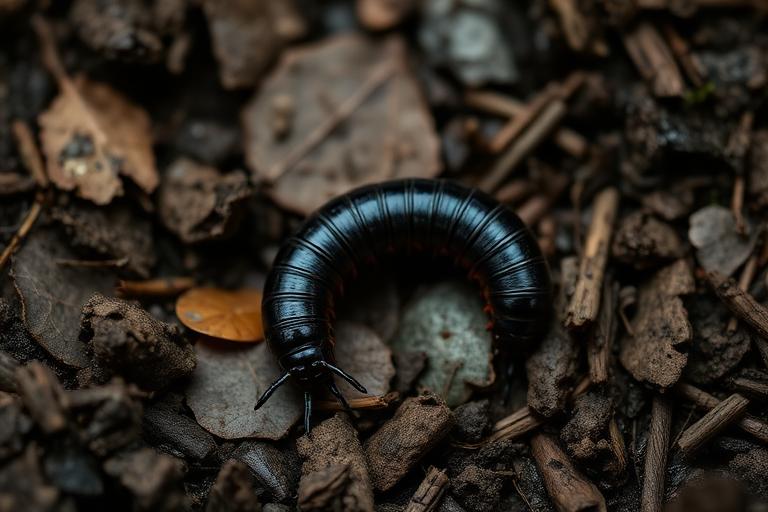
Millipedes
Slow coiling many-legged bugs invading after rain.
Size: 1/2 to 1.5 inches
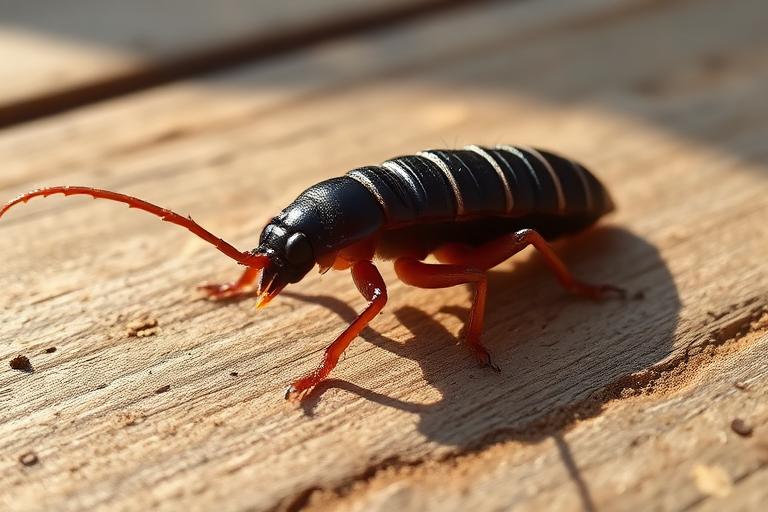
Earwigs
Pincer-tailed bugs in mulch, bathrooms and basements.
Size: 1/4 to 1 inch
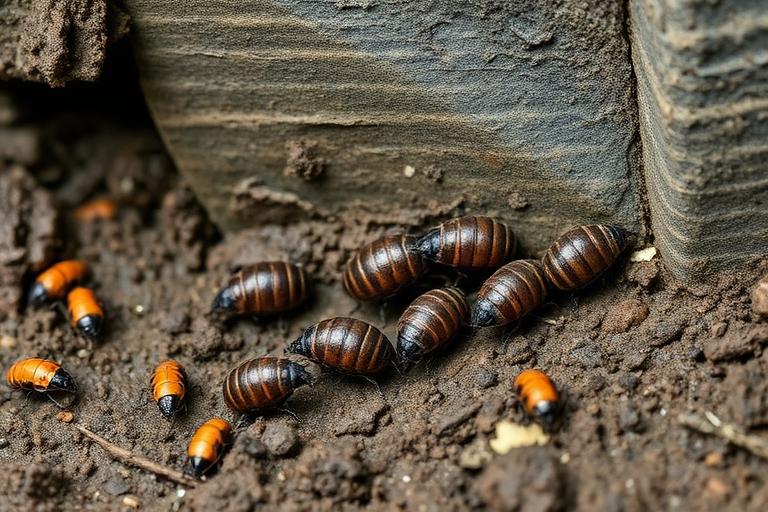
Pillbugs & sowbugs
Roly-poly bugs entering garages and basements from mulch.
Size: 1/4 to 1/2 inch
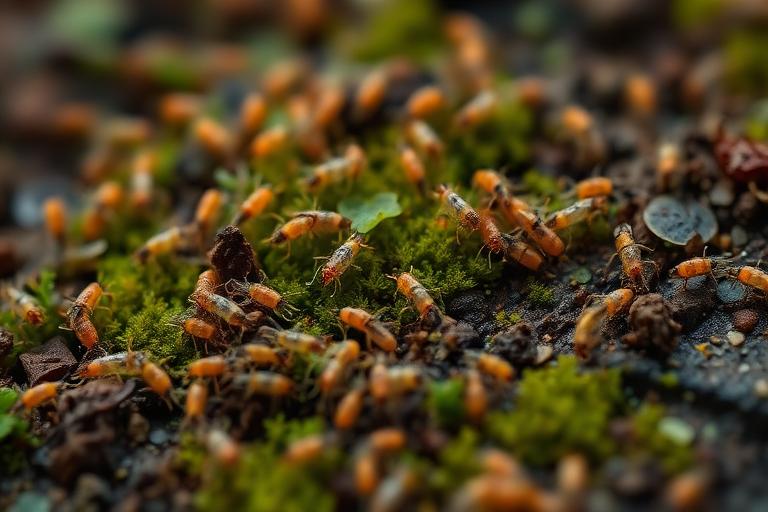
Springtails
Tiny jumping specks near sinks, tubs and damp soil.
Size: 1/16 inch or smaller
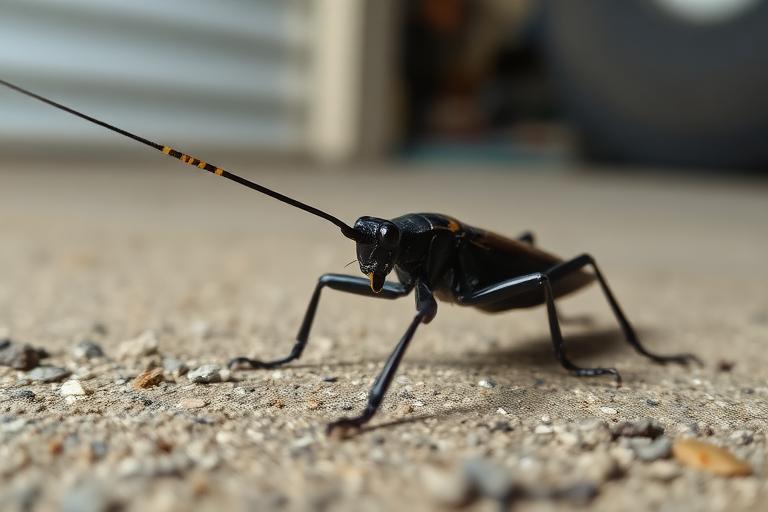
Crickets
Chirping crickets and humpbacked camel crickets in basements.
Size: 1/2 to 1.5 inches
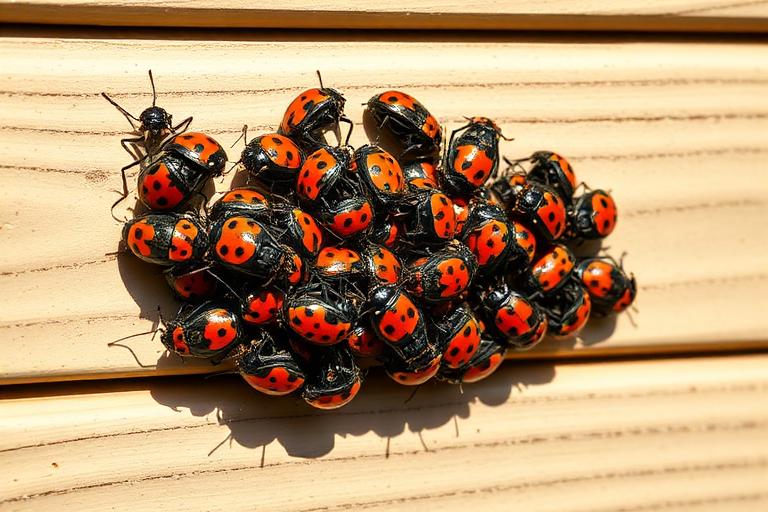
Boxelder bugs
Black-and-red bugs massing on sunny walls in fall.
Size: 1/2 inch
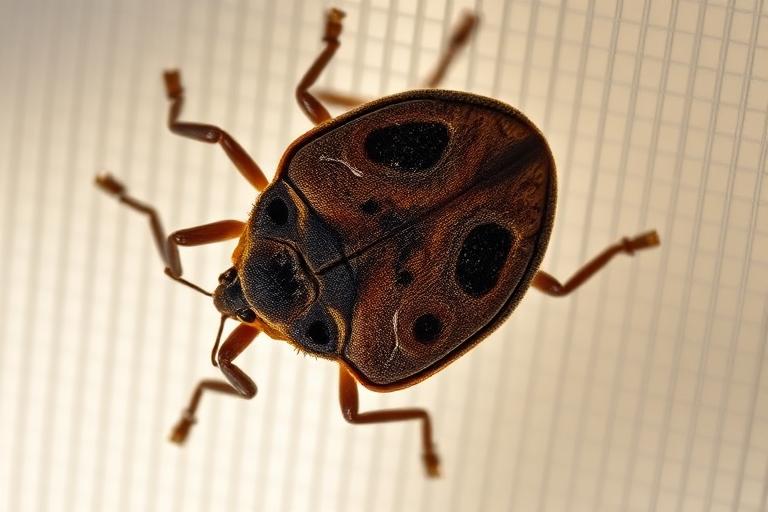
Stink bugs
Brown marmorated stink bugs overwintering indoors.
Size: 5/8 inch
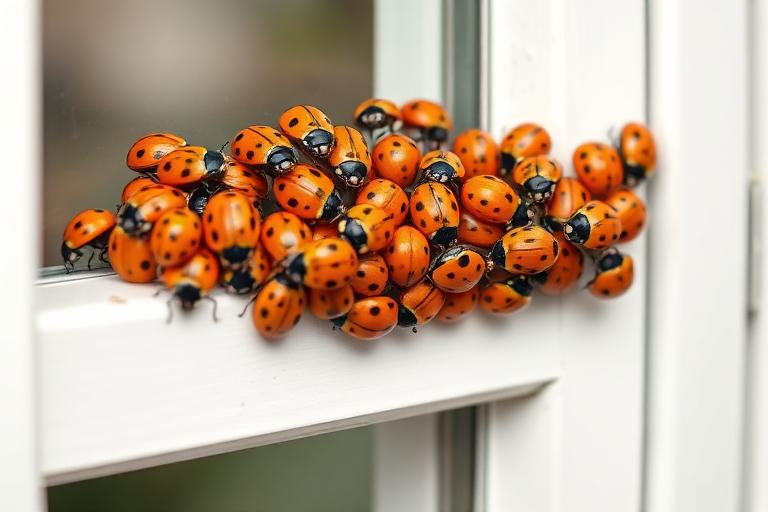
Asian lady beetles
Orange 'ladybugs' swarming attics and windows in fall.
Size: 1/4 inch
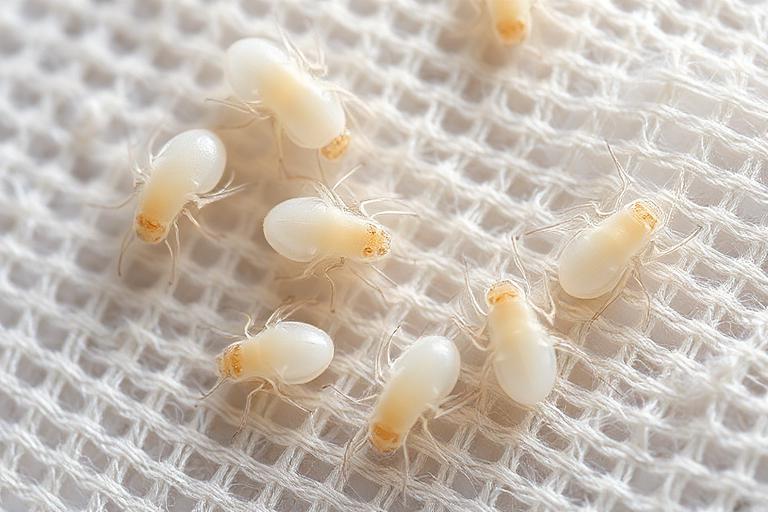
Clover mites
Tiny red mites crawling on window sills in spring.
Size: 1/32 inch
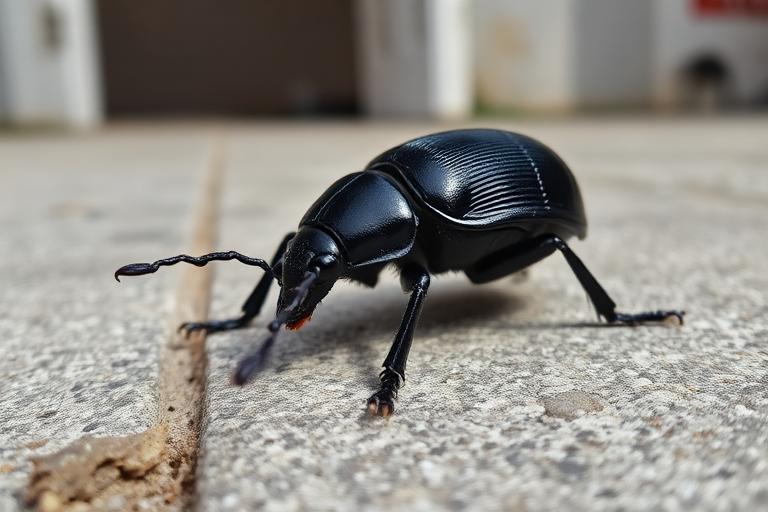
Ground beetles
Hard-shelled black beetles wandering into basements.
Size: 1/8 to 1 inch
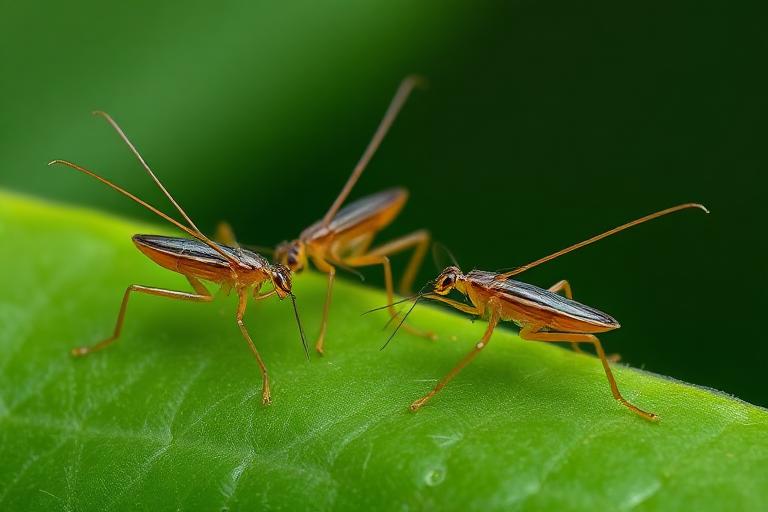
Booklice
Nearly microscopic pale insects in damp books and drywall.
Size: 1/16 inch
Thrips
Slivers of insects that bite and damage plants in summer.
Size: 1/25 inch