Occasional invaders
Pillbugs & sowbugs: identification & pillbug control
Also known as: roly polies, potato bugs, woodlice
Pillbugs are crustaceans that need constant moisture, so control is about drying the perimeter, pulling back mulch and sealing thresholds rather than heavy spraying.
How to identify pillbugs & sowbugs
- What it looks like
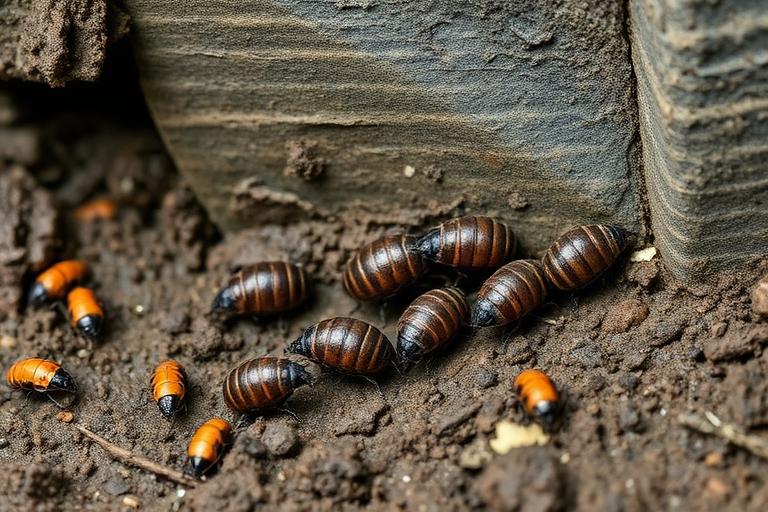
- Gray armored segmented bodies; pillbugs roll into a ball, sowbugs cannot.
- Size
- 1/4 to 1/2 inch
- Where you'll find it
- Mulch, leaf litter, under stones, garages, basements and crawl spaces.
Signs of pillbugs & sowbugs in your home
- Dead bugs along garage walls
- Activity after watering or rain
- Seedling damage in gardens
Is it really pillbugs & sowbugs? Side-by-side comparisons
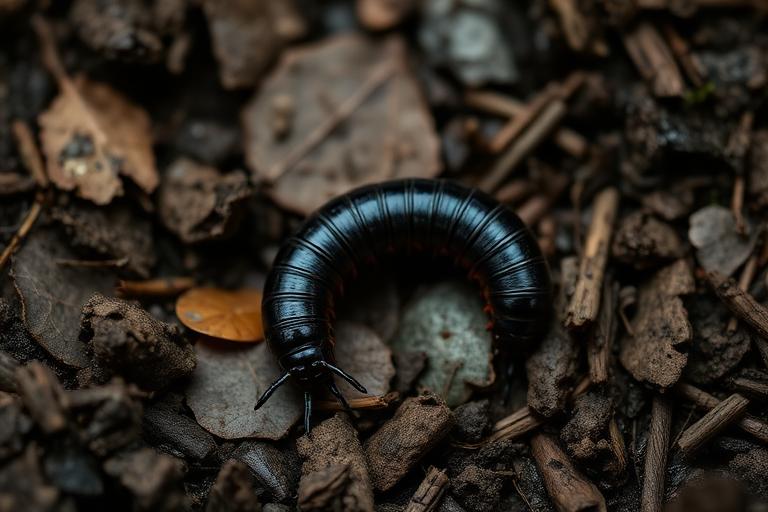
Pillbugs and sowbugs have 7 pairs of legs and flat, segmented bodies; millipedes have many more legs (2 pairs per segment) and rounder bodies.
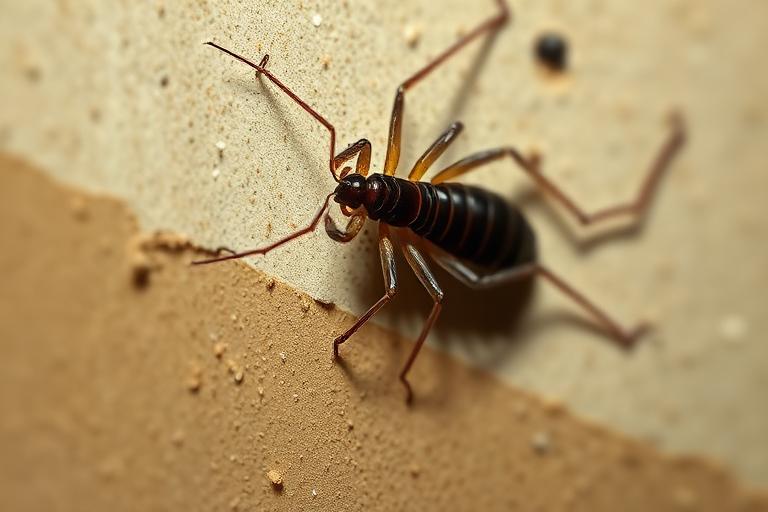
Pillbugs and sowbugs are slow-moving and herbivorous; centipedes are fast, predatory, and have a single pair of long legs per segment.
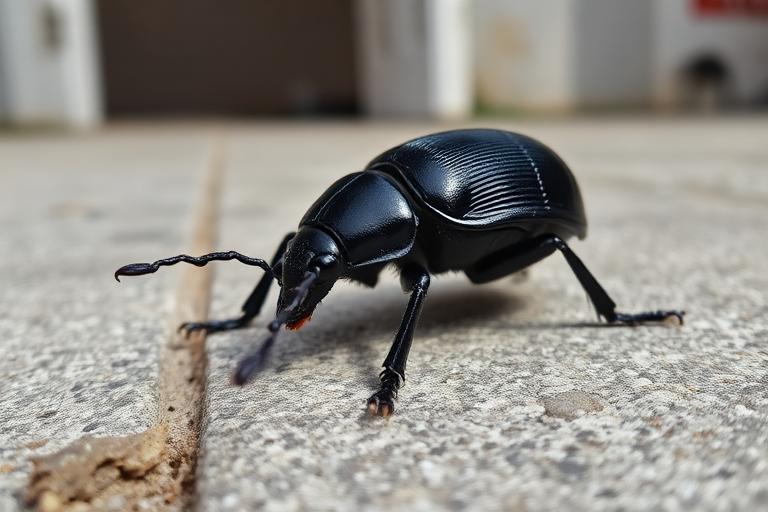
Pillbugs and sowbugs have distinct, hardened exoskeletons and visible antennae; beetle larvae are often soft-bodied, C-shaped, and lack prominent antennae.
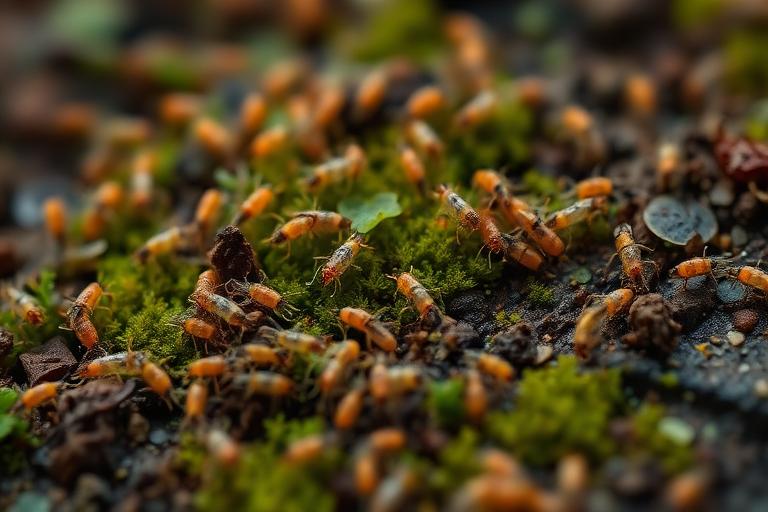
Pillbugs and sowbugs are 1/4-1/2 inch long and gray; springtails are tiny (under 1/8 inch), often white, and jump when disturbed.
Regional differences across the U.S.
In the arid Southwest (Arizona, New Mexico), pillbugs (Armadillidium vulgare) and sowbugs (Porcellionides pruinosus) are common nuisance pests, seeking moisture in irrigated landscapes and homes during dry periods. In the Pacific Northwest (Oregon, Washington), Armadillidium nasatum is prevalent, with activity peaking during the damp fall and spring. Southeastern states (Florida, Georgia) experience year-round activity due to high humidity, with populations flourishing in shaded, mulched areas. Northern states like Michigan and Wisconsin see populations concentrate in protected, overwintering sites near foundations. Construction types, such as homes with crawl spaces, increase risk across all regions by providing accessible, damp habitats.
Life cycle and timing that changes treatment
Pillbugs and sowbugs undergo incomplete metamorphosis. Eggs hatch within 3-4 weeks into nymphs, which mature into adults in about a year. They typically produce 2-3 generations annually. Adults and larger nymphs overwinter in protected, damp locations like leaf litter, under rocks, or in wall voids, emerging as temperatures rise in spring. Understanding these stages and overwintering habits is crucial for targeted control efforts.
How to inspect for pillbugs & sowbugs, step by step
- 1
Using a flashlight, inspect perimeter landscaping, especially under rocks, stepping stones, and in thick mulch beds for clusters of these crustaceans.
- 2
Examine foundation walls, particularly near ground level and points where utilities enter the home, looking for cracks and gaps they might use for entry.
- 3
In basements and crawl spaces, use a moisture meter on wooden structural elements and along foundation walls to identify damp areas where they congregate.
- 4
Place glue monitors in garages, basements, and laundry rooms along walls, checking weekly to gauge activity levels and potential entry points.
Treatment decision tree
| If you find this | Do this next |
|---|---|
| You observe 1-2 pillbugs or sowbugs indoors occasionally, mostly in damp areas like bathrooms or basements. | This indicates minor incidental entry. Focus on exclusion and reducing interior moisture sources. Seal small cracks around windows or doors. |
| You consistently find 5-10 pillbugs/sowbugs indoors, especially after rain, but concentrated to one area. | This suggests a localized exterior entry point or a persistent interior moisture issue. Inspect the exterior foundation and address any leaks. |
| You find 10-20 pillbugs/sowbugs indoors regularly, scattered across multiple rooms or floor levels. | This signifies widespread entry and/or significant outdoor populations. Implement exterior perimeter treatments alongside exclusion and moisture control. |
| You discover dozens of pillbugs/sowbugs in a specific indoor area, often dead or dying, such as a basement window well. | This points to a strong exterior attraction to that specific spot, likely due to excessive moisture or harborage. Remove outdoor debris and improve drainage. |
| You find hundreds of pillbugs/sowbugs swarming indoor common areas, including upper floors, particularly during prolonged wet periods. | This indicates a severe exterior population and major structural entry points. Professional intervention for extensive sealing and targeted pesticide application is warranted. |
Where DIY runs out of road
- • Over-the-counter granular baits or liquid sprays often fail to penetrate deep harborage areas like dense mulch or under concrete slabs, leading to re-infestation.
- • Improper application of DIY liquid pesticides can repel pillbugs/sowbugs, driving them deeper into wall voids or untreated areas, complicating future control.
- • DIY efforts frequently overlook crucial moisture control and exclusion principles, addressing only the visible pests without tackling the environmental conditions that attract them.
When to call a professional
- • Persistent indoor infestations despite diligent moisture control and exclusion efforts.
- • Evidence of pillbugs/sowbugs in inaccessible areas like behind walls or structural voids.
- • When a large-scale exterior population cannot be managed through sanitation and landscape modification.
Safety and legal limits
Always read and strictly follow the pesticide label instructions; it is a legal document. Using products in a manner inconsistent with their labeling is unlawful and can be unsafe. Ensure any chosen product is labeled for use against occasional invaders like pillbugs and sowbugs. Avoid applying pesticides where children or pets can directly access wet treated surfaces until dry. Only licensed professionals can apply restricted-use products. Be mindful of drift if spraying outdoors, to protect non-target plants, aquatic life, and beneficial insects. Respiratory protection is recommended when applying dusts or aerosols in confined spaces to avoid inhalation.
Pillbugs & sowbugs questions homeowners ask
Are roly polies harmful?
No — they feed on decaying matter and simply wander in from damp mulch.
Pillbug control by city
Local technicians handle pillbugs & sowbugs in every market below — pick your city for neighborhood coverage, seasonal notes and a free quote.
Related occasional invaders pests
Sources and further reading
Guidance on this page is compiled from EPA, CDC and land-grant university extension IPM publications, which are linked in the sources section. It is general information, not a diagnosis or a treatment recommendation for your property.
- Pest Notes: home and landscape pests — University of California Statewide IPM Program
- Pest control and pesticide fact sheets — National Pesticide Information Center (Oregon State University / EPA)
- Integrated Pest Management (IPM) principles — U.S. Environmental Protection Agency
- Safe pest control in and around the home — U.S. Environmental Protection Agency