
Occasional invaders
Springtails: identification & springtail control
Springtails signal a moisture problem — a leak, over-watered soil or damp crawl space. We find the moisture source, correct it and treat the harborage where they cluster.
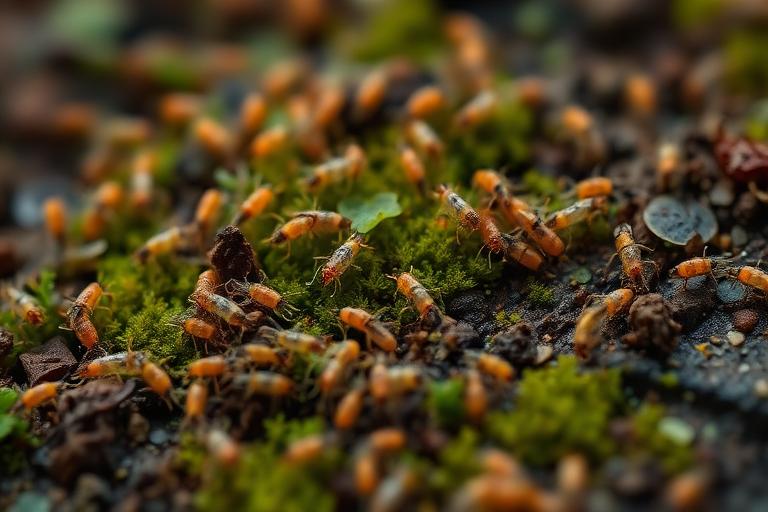
How to identify springtails
- What it looks like
- Minute gray, white or dark insects that jump when disturbed using a tail-like appendage.
- Size
- 1/16 inch or smaller
- Where you'll find it
- Damp bathrooms, kitchens, potted plants, crawl spaces, mulch and pool decks.
- Commonly confused with
- Fleas jump too, but fleas are hard-bodied, dark and bite; springtails do not bite.
Signs of springtails in your home
- Clouds of tiny jumping specks
- Concentrations near sinks or drains
- Masses on damp patios after rain
Is it really springtails? Side-by-side comparisons
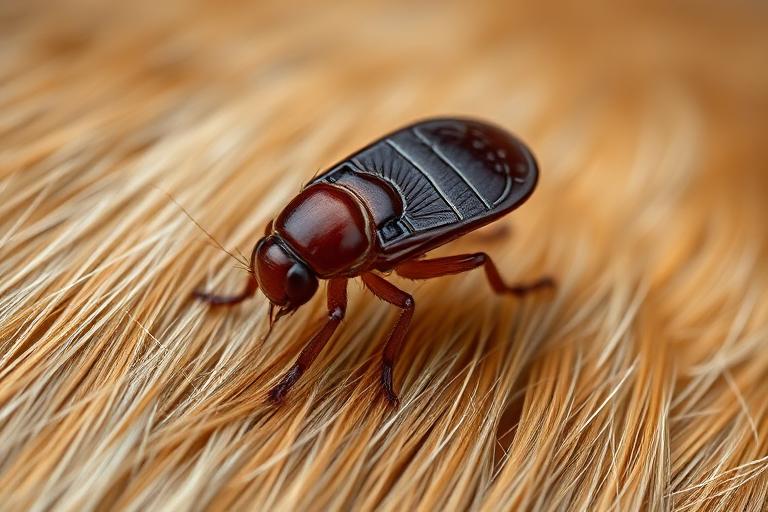
Springtails are soft-bodied, lack a hard exoskeleton, and use a furcula (tail-like appendage) to jump; fleas are hard-bodied, laterally flattened, and jump without a visible appendage.
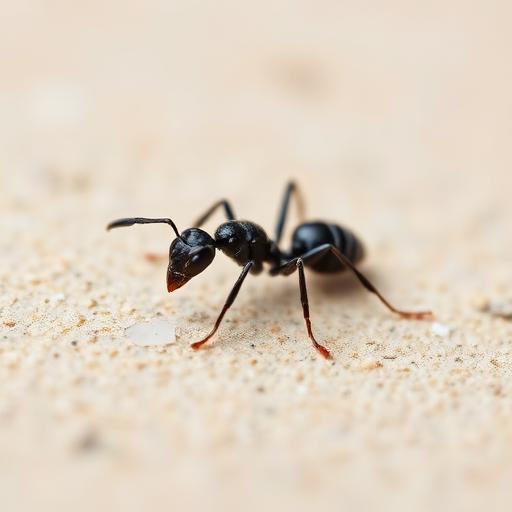
Springtails are typically found in moist soil or decaying organic matter and jump when disturbed; aphids are slow-moving plant sap-feeders found directly on foliage, rarely jumping.
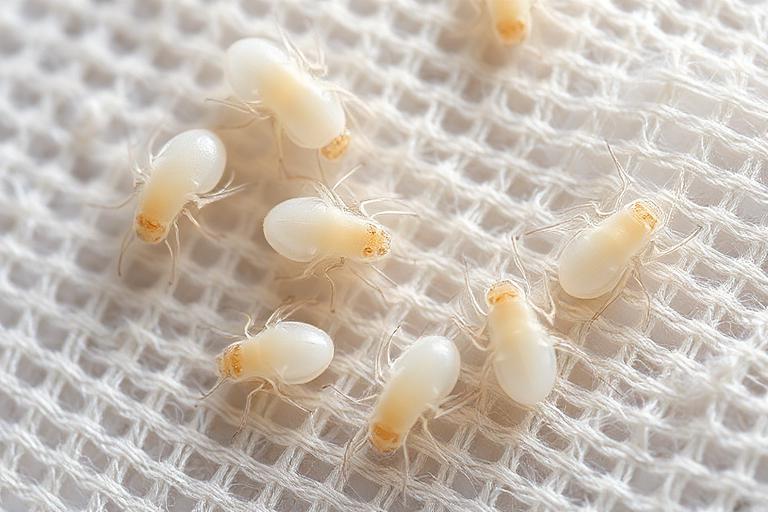
Springtails have segmented bodies and often a furcula; mites are usually sac-like or pear-shaped with unsegmented bodies and do not jump.
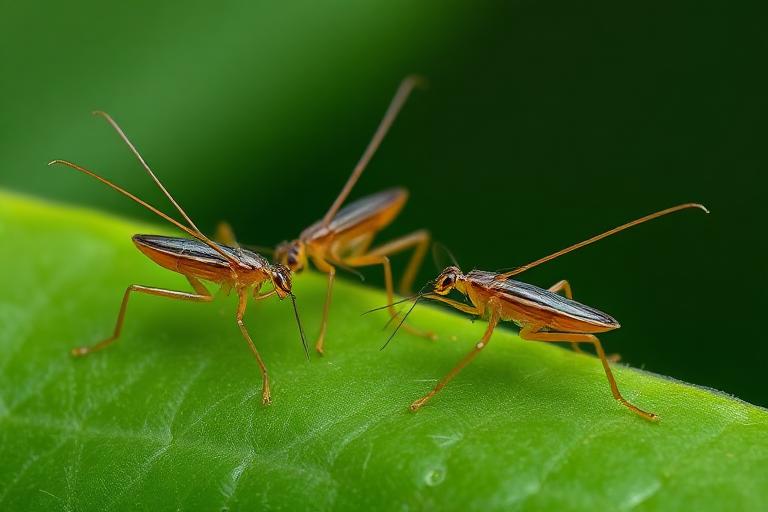
Springtails are often found in very damp environments and jump; booklice are typically found in slightly drier, dusty areas and crawl rapidly without jumping.
Regional differences across the U.S.
Springtails, primarily various species within the order Collembola, exhibit regional prevalence linked to moisture availability. In the humid Southeast (Florida, Louisiana), species like Hypogastrura spp. thrive year-round due to consistent high humidity, often becoming nuisance pests in bathrooms and kitchens. The arid Southwest (Arizona, Nevada) sees springtail activity largely restricted to irrigated landscapes, damp crawl spaces, or during seasonal monsoons. Pacific Northwest (Oregon, Washington) experiences peak activity in fall and spring, coinciding with rainier periods, with species like Entomobrya nivalis common on exterior surfaces. Northeastern states (New York, Pennsylvania) see increased indoor infestations during winter when heating systems dry out homes, drawing springtails from foundation areas or potted plants seeking moisture. Construction types like slab-on-grade foundations or homes with poor drainage in any region elevate risk by creating persistent damp zones conducive to springtail proliferation.
Life cycle and timing that changes treatment
Springtails undergo ametabolous development, meaning they grow through successive molts without distinct larval or pupal stages. The entire life cycle, from egg to adult, can be completed in as little as 3-4 weeks under ideal moist and warm conditions. Several generations per year are typical, especially in humid climates or indoors. Adults can live for up to a year. Overwintering often occurs as adults or eggs in protected, damp environments like leaf litter, soil, or under bark, resuming activity when conditions are favorable.
How to inspect for springtails, step by step
- 1
Use a flashlight at a low angle to spot minute, jumping insects on damp bathroom floors, shower stalls, and around toilet bases, especially at night.
- 2
Inspect kitchen sinks, dishwashers, and refrigerators for moisture leaks, checking under appliances and in cabinets with a flashlight for active springtails.
- 3
Employ a moisture meter to locate elevated moisture levels (above 20% MC) in subflooring, crawl spaces, or around foundation perimeters, indicating potential breeding sites.
- 4
Examine potted plant saucers, moist soil surfaces, and organic mulches near foundation walls, disturbing the material to observe any jumping activity.
Treatment decision tree
| If you find this | Do this next |
|---|---|
| You observe occasional springtails (<10 daily) primarily in damp areas like sinks or showers, but no standing water or leaks. | This indicates minor dampness. Increase ventilation, wipe surfaces dry, and repair minor drips to remove moisture sources. Monitor for persistence. |
| You consistently see dozens of springtails in one or two rooms, often near windows, baseboards, or potted plants, but no structural damage. | Suggests a localized moisture source. Conduct a thorough inspection with a flashlight and moisture meter to pinpoint and eliminate the damp conditions. |
| Large numbers (hundreds) of springtails are active across multiple rooms, often appearing in dry areas, or migrating from outdoors. | Indicates a significant moisture issue, possibly within wall voids, under flooring, or a substantial outdoor population migrating indoors. Focus on exterior control and moisture remediation. |
| Springtails are found consistently within food storage areas or contaminating pantry items, despite good sanitation. | This suggests a persistent moisture source within the pantry walls or under flooring, likely impacting stored goods. Remove all food, dry the area, and seal cracks. |
| Thousands of springtails are swarming on exterior walls, pool decks, or entering through cracks and gaps in large numbers. | Points to an extensive outdoor breeding site due to excessive moisture (e.g., over-irrigated landscaping, poor drainage). Address exterior water issues and seal all entry points. |
Where DIY runs out of road
- • Over-the-counter pyrethroid sprays offer only temporary knockdown for springtails, often failing to reach the breeding source within moist soil or structural voids, leading to rapid reinfestation.
- • DIY foggers and total release aerosols are ineffective; springtails thrive in damp microclimates that foggers cannot penetrate, making them a waste of product and potentially dispersing pests.
- • Without identifying and eliminating the underlying moisture source, any DIY pesticide application will be futile, as springtails will simply repopulate from untreated areas or new generations.
When to call a professional
- • Persistent high numbers of springtails despite diligent moisture control and sanitation efforts.
- • Evidence of moisture issues within inaccessible areas like wall voids, crawl spaces, or sub-slab.
- • Allergic reactions or respiratory issues suspected to be linked to springtail populations or associated molds.
Safety and legal limits
Always read and strictly follow all pesticide label instructions, as the label is the law. Using products inconsistent with their labeling is illegal and can be harmful. Homeowners should avoid "restricted use" pesticides, which are only for certified applicators due to specialized application requirements and potential environmental or health risks. When applying any pesticide, ensure proper ventilation, wear appropriate personal protective equipment (e.g., gloves, eye protection), and keep children and pets away from treated areas until dry. Misuse can lead to respiratory irritation or exposure risks. For springtails, focus on reducing moisture first, as chemical controls are often secondary and less effective without environmental modification. Consider integrated pest management (IPM) strategies to minimize chemical reliance.
Springtails questions homeowners ask
Are those tiny jumping bugs fleas?
If they are near water and do not bite, they are almost certainly springtails, which indicates excess moisture.
Springtail control by city
Local technicians handle springtails in every market below — pick your city for neighborhood coverage, seasonal notes and a free quote.
Related occasional invaders pests
Sources and further reading
Guidance on this page is compiled from EPA, CDC and land-grant university extension IPM publications, which are linked in the sources section. It is general information, not a diagnosis or a treatment recommendation for your property.
- Pest Notes: home and landscape pests — University of California Statewide IPM Program
- Pest control and pesticide fact sheets — National Pesticide Information Center (Oregon State University / EPA)
- Integrated Pest Management (IPM) principles — U.S. Environmental Protection Agency
- Safe pest control in and around the home — U.S. Environmental Protection Agency