
Occasional invaders
Crickets: identification & cricket control
Also known as: camel crickets, cave crickets, spider crickets
House and camel crickets enter garages, basements and crawl spaces through gaps and damage fabric and paper. Control pairs exclusion and exterior treatment with moisture reduction.
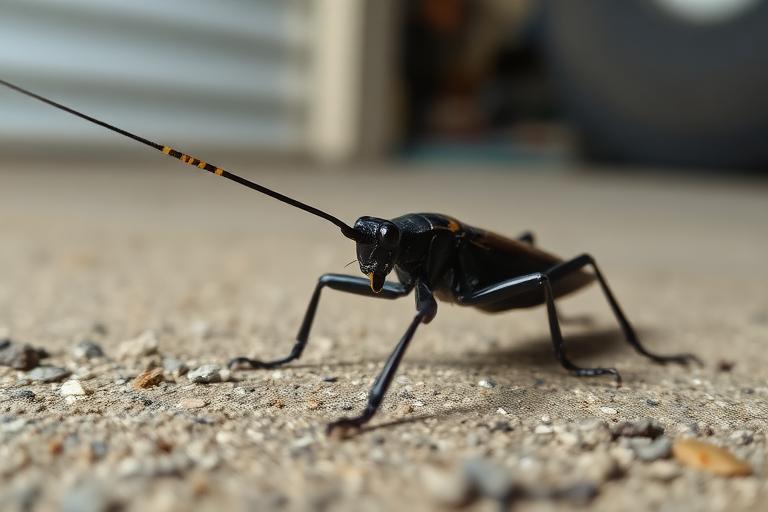
How to identify crickets
- What it looks like
- House crickets are light brown with long antennae; camel crickets are humpbacked, wingless and leggy.
- Size
- 1/2 to 1.5 inches
- Where you'll find it
- Crawl spaces, basements, garages, window wells, mulch and under debris.
- Commonly confused with
- Spider crickets (camel crickets) are often mistaken for spiders due to their long legs.
Signs of crickets in your home
- Chirping at night
- Jumping insects in the basement
- Chewed holes in fabric or paper
Is it really crickets? Side-by-side comparisons
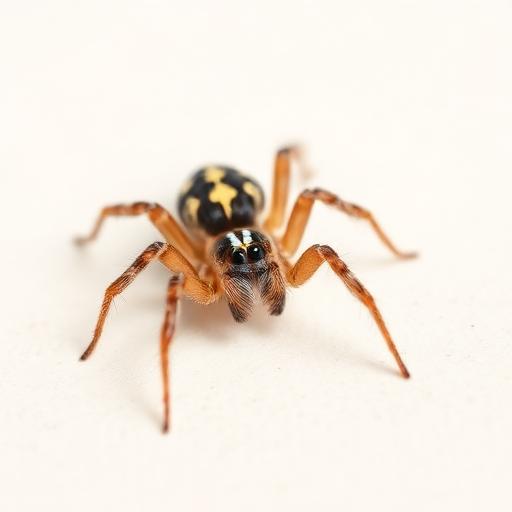
Camel crickets possess six legs and prominent antennae, unlike spiders which have eight legs and lack antennae, making them visually distinct upon close inspection.
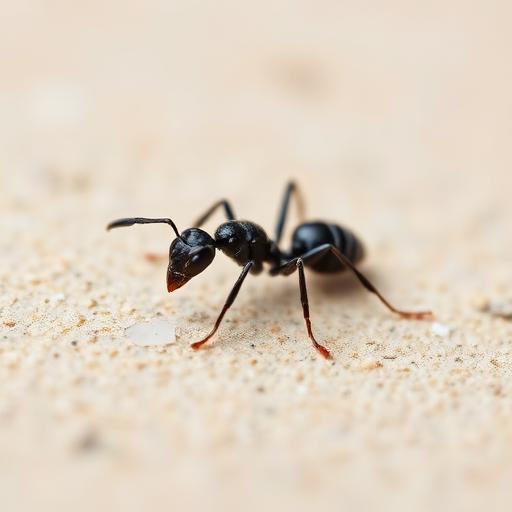
Crickets typically have long antennae, often longer than their body, while grasshoppers have short, stout antennae and are generally active during the day.
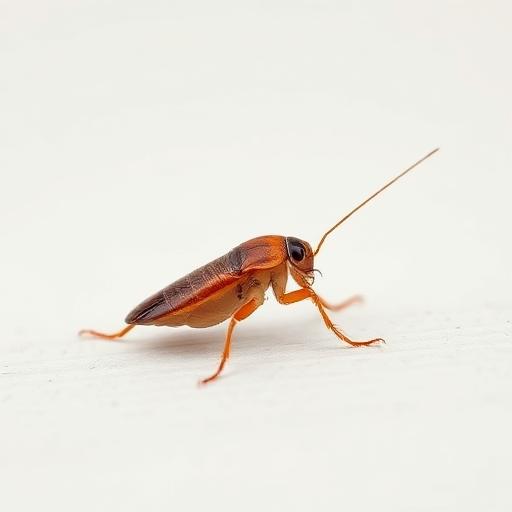
Crickets have large hind legs adapted for jumping and make a distinct chirping sound; cockroaches lack powerful jumping legs and are generally silent.
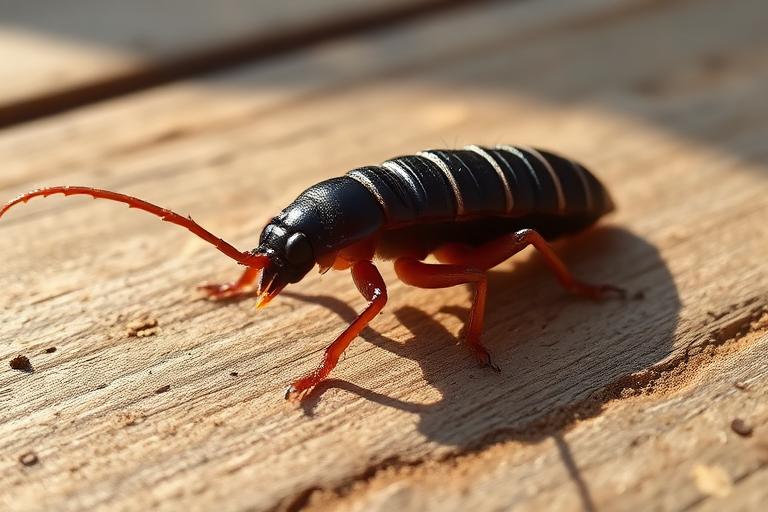
Crickets have long, thread-like antennae and lack the distinctive pincer-like cerci (forceps) at the end of their abdomen that earwigs possess.
Regional differences across the U.S.
House crickets (Acheta domesticus) are prevalent across the entire United States, often entering homes in the fall to escape cooling temperatures. Camel crickets (Ceuthophilus spp.) are particularly common in the Pacific Northwest and Northeastern states, thriving in moist environments like damp basements and crawl spaces, while less common in arid Southwestern regions. Field crickets (Gryllus spp.) are more common in agricultural areas of the Midwest and South, and can invade homes during harvest. Southwestern states like Arizona and New Mexico may experience increased cricket activity during monsoon seasons due to elevated humidity. Older homes with stone foundations or unsealed crawl spaces in the Northeast and Midwest are more susceptible to camel cricket infestations due to persistent dampness.
Life cycle and timing that changes treatment
Crickets typically complete their life cycle from egg to adult in 2-3 months, undergoing incomplete metamorphosis. Most species produce 2-3 generations per year. Eggs are usually laid in late summer or fall and overwinter, hatching in spring. Overwintering eggs or nymphs are the critical stage for early intervention, as adult crickets become more mobile and reproductive. Control efforts are most effective when targeting these early stages before widespread adult emergence.
How to inspect for crickets, step by step
- 1
Use a flashlight at a low angle to check along baseboards and in corners of basements and crawl spaces for active crickets or shed exoskeletons.
- 2
Place glue monitors in window wells, near floor drains, and in damp areas of garages to capture and identify cricket species and activity levels.
- 3
Inspect mulch beds and under debris around the home's perimeter for harborage points, particularly where foundations meet the soil.
- 4
Utilize a moisture meter in crawl spaces and basements to identify areas of high humidity that attract moisture-loving camel crickets and identify potential entry points.
Treatment decision tree
| If you find this | Do this next |
|---|---|
| You find 1-2 crickets (house or camel) indoors, usually in fall or spring. | This indicates incidental entry; seal obvious cracks around windows and doors, and remove exterior harborage near the foundation. |
| You hear persistent chirping in your basement or crawl space, but see few crickets. | This suggests an interior breeding population; dehumidify the area and set out glue traps to pinpoint major activity zones for targeted treatment. |
| You frequently find several dead or live crickets in window wells or garages. | This indicates exterior pressure; apply a perimeter barrier treatment using granular bait or a non-repellent liquid insecticide around the foundation. |
| You observe dozens of crickets throughout your home, including upper floors. | This signifies a significant indoor infestation; a crack and crevice treatment with an insecticidal dust or aerosol is warranted, along with source reduction. |
| Despite DIY efforts, cricket activity remains high or increases significantly after 2-3 weeks. | The infestation is beyond typical homeowner control; professional intervention is required to identify hidden sources and apply targeted, sometimes restricted, treatments. |
Where DIY runs out of road
- • Over-the-counter repellent sprays often disperse crickets to other areas of the home, making the infestation harder to locate and treat effectively.
- • Without addressing moisture issues, DIY efforts for camel crickets provide only temporary relief, as conducive conditions will continually attract new invaders.
- • Failing to seal all entry points and remove exterior harborage will render indoor treatments largely ineffective, leading to perpetual re-infestation from outside sources.
When to call a professional
- • Persistent indoor cricket activity after thorough DIY efforts to seal and treat.
- • Identification of camel crickets in living spaces, indicating significant moisture problems.
- • Presence of high numbers of crickets consistently, suggesting an established breeding population.
Safety and legal limits
Always read and strictly follow all pesticide label instructions, as the label is the law. Misuse can lead to ineffective control and pose risks to health. Avoid using restricted-use pesticides, which are only for certified applicators. When applying any product, ensure adequate ventilation and prevent drift. Keep children and pets away from treated areas until dry. Store all pesticides in their original containers, out of reach of children and pets, in a cool, dry place. Consider integrated pest management (IPM) practices, prioritizing exclusion and sanitation to reduce reliance on chemical treatments and minimize potential exposure risks to occupants and non-target organisms.
Crickets questions homeowners ask
What are the jumping spider-like bugs in my basement?
Camel crickets — humpbacked, wingless and harmless, but they signal a damp crawl space.
Cricket control by city
Local technicians handle crickets in every market below — pick your city for neighborhood coverage, seasonal notes and a free quote.
Related occasional invaders pests
Sources and further reading
Guidance on this page is compiled from EPA, CDC and land-grant university extension IPM publications, which are linked in the sources section. It is general information, not a diagnosis or a treatment recommendation for your property.
- Pest Notes: home and landscape pests — University of California Statewide IPM Program
- Pest control and pesticide fact sheets — National Pesticide Information Center (Oregon State University / EPA)
- Integrated Pest Management (IPM) principles — U.S. Environmental Protection Agency
- Safe pest control in and around the home — U.S. Environmental Protection Agency