
Occasional invaders
Clover mites: identification & clover mite control
Clover mites migrate from heavily fertilized lawns onto sunny walls and inside through window frames. Control combines a plant-free border along the foundation with an exterior perimeter treatment.
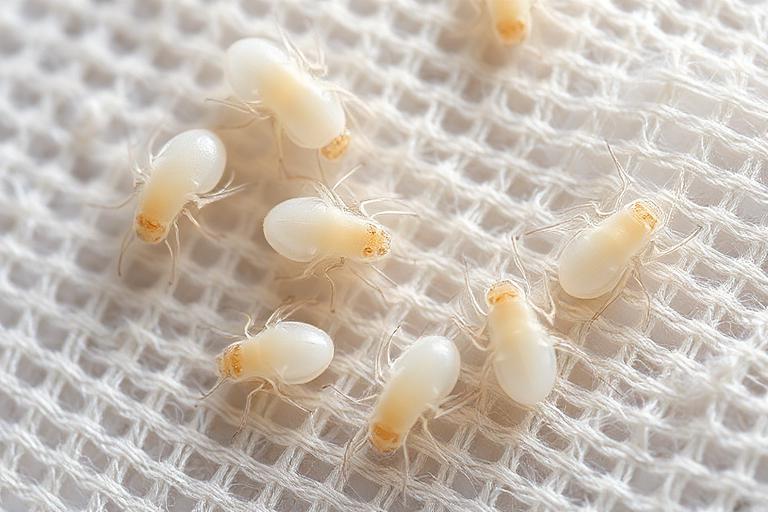
How to identify clover mites
- What it looks like
- Pinhead-sized bright red to reddish-brown mites with extra-long front legs.
- Size
- 1/32 inch
- Where you'll find it
- Sunny walls, window sills, lawn edges and around foundation plantings.
- Commonly confused with
- Chiggers bite; clover mites do not.
Signs of clover mites in your home
- Tiny red specks on sills and curtains
- Red smears when crushed
- Spring and fall invasions on sunny sides
Is it really clover mites? Side-by-side comparisons
Chiggers are parasitic and bite, causing itchy welts, while clover mites are herbivores and do not bite humans or pets. Clover mites are redder and faster.
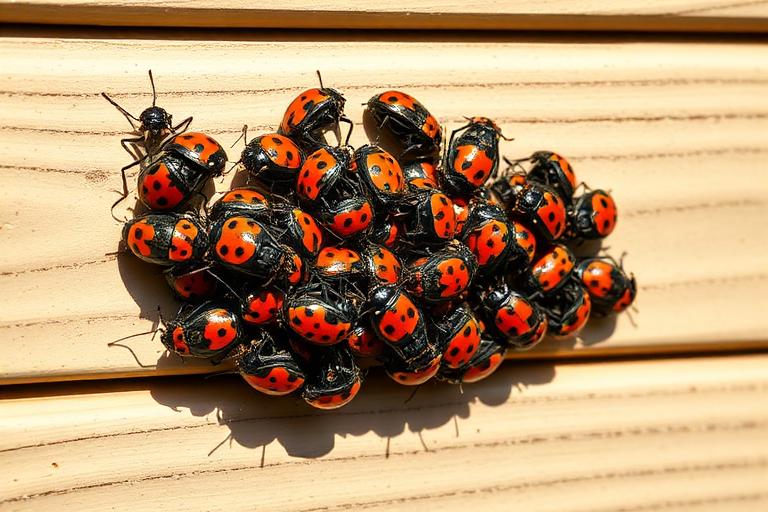
Boxelder bugs are significantly larger (1/2 inch) with distinctive red markings on a black body, unlike the tiny, uniformly reddish-brown clover mite.
Spider mites are typically found on plants, often with webbing, and are smaller and paler than clover mites, which are frequently seen on structures.
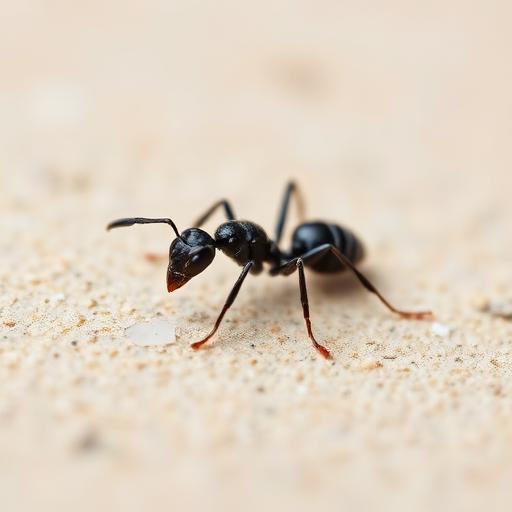
Aphids are pear-shaped, often green or black, and have cornicles (tube-like structures) on their abdomen, features absent in clover mites.
Regional differences across the U.S.
Clover mites, Bryobia praetiosa, are widespread across the entire US. In northern states like Minnesota and Wisconsin, clover mite activity is predominantly in early spring and late fall, with overwintering eggs hatching when temperatures consistently reach 45-50°F. In southern states such as Florida and Texas, activity can extend through milder winter months. Drought conditions in Western states like California and Arizona can stress lawns, making them more attractive to mites seeking moisture. Homes with sunny exposures and dense foundation plantings, especially those near well-maintained turf, consistently face higher pressure regardless of region.
Life cycle and timing that changes treatment
Clover mites undergo incomplete metamorphosis: egg, larva, nymph, and adult. The entire lifecycle can be completed in as little as 7-10 days under optimal conditions (70-75°F). Multiple generations, typically 2-6, occur annually. Overwintering occurs primarily as eggs laid in protected cracks and crevices, often around foundations, under tree bark, or in window sills, ready to hatch with warming temperatures in spring.
How to inspect for clover mites, step by step
- 1
Examine exterior walls, especially those facing south or west, for reddish streaks using a white cloth to wipe surfaces. Mites crushed leave red marks.
- 2
Inspect window sills and frames, both inside and out, using a flashlight at a low angle to spot minute moving specs or crushed mite stains.
- 3
Check foundation plantings, particularly dense ground covers and turfgrass edges, for high mite populations, which may be visible on plant stems.
- 4
Use a 10x hand lens to confirm identification on any suspicious reddish-brown specs found on interior surfaces near windows or baseboards.
Treatment decision tree
| If you find this | Do this next |
|---|---|
| You observe occasional individual clover mites indoors during mild weather. | This indicates minor outdoor activity. Vacuum them up; no chemical treatment is typically necessary or effective for isolated individuals. |
| You notice many mites on exterior walls, especially near foundation plantings. | Suggests a localized population. Consider horticultural oil or insecticidal soap applications directly to infested plants, following label directions. |
| You see numerous mites regularly entering your home through windows or doors. | Indicates a persistent entry point. Seal cracks around windows/doors with caulk and check/repair screens. Consider exterior perimeter treatment. |
| There are extensive red streaks on interior walls and sills from crushed mites. | Signifies a substantial infestation and active indoor migration. Thorough vacuuming is essential, followed by sealing entry points and considering targeted insecticide application to thresholds. |
| Mites are present in all rooms, and efforts like sealing and cleaning have failed to reduce numbers. | This suggests a significant, widespread infestation requiring professional assessment. A licensed pest control operator can identify reservoirs and apply appropriate barrier treatments. |
Where DIY runs out of road
- • Over-the-counter pyrethroid sprays offer limited residual control against continuous invasions from outdoor populations and can lead to resistance if overused.
- • Spraying indoors indiscriminately can stain surfaces and expose occupants to unnecessary pesticides, often failing to address the primary outdoor source of the mites.
- • Attempting to treat extensive lawn or foundation areas with consumer products is often ineffective due to inadequate coverage and incorrect product selection for large-scale mite control.
When to call a professional
- • Persistent indoor infestations after sealing and cleaning efforts.
- • Allergy or asthma sufferers in the home, requiring minimal pesticide exposure.
- • Inability to identify entry points or locate the primary source of the infestation.
Safety and legal limits
Always read and follow the pesticide label completely; it is a legal document. Misuse is illegal. Many effective mite control products are restricted-use and require a licensed applicator. When applying any product, ensure proper personal protective equipment (PPE) like gloves and eye protection. Keep children and pets away from treated areas until dry. Avoid drift onto non-target plants or water bodies. Integrated Pest Management (IPM) techniques, such as proper landscaping and sealing entry points, should always be prioritized to minimize chemical reliance and associated risks.
Clover mites questions homeowners ask
What are the tiny red bugs crawling on my window?
Clover mites — harmless plant feeders that stain red when crushed, so vacuum rather than wipe them.
Clover mite control by city
Local technicians handle clover mites in every market below — pick your city for neighborhood coverage, seasonal notes and a free quote.
Related occasional invaders pests
Sources and further reading
Guidance on this page is compiled from EPA, CDC and land-grant university extension IPM publications, which are linked in the sources section. It is general information, not a diagnosis or a treatment recommendation for your property.
- Pest Notes: home and landscape pests — University of California Statewide IPM Program
- Pest control and pesticide fact sheets — National Pesticide Information Center (Oregon State University / EPA)
- Integrated Pest Management (IPM) principles — U.S. Environmental Protection Agency
- Safe pest control in and around the home — U.S. Environmental Protection Agency