
Occasional invaders
Ground beetles: identification & ground beetle control
Ground beetles are attracted to exterior lighting and wander in under doors. Control involves perimeter treatment, lighting adjustments and sealing thresholds and garage doors.
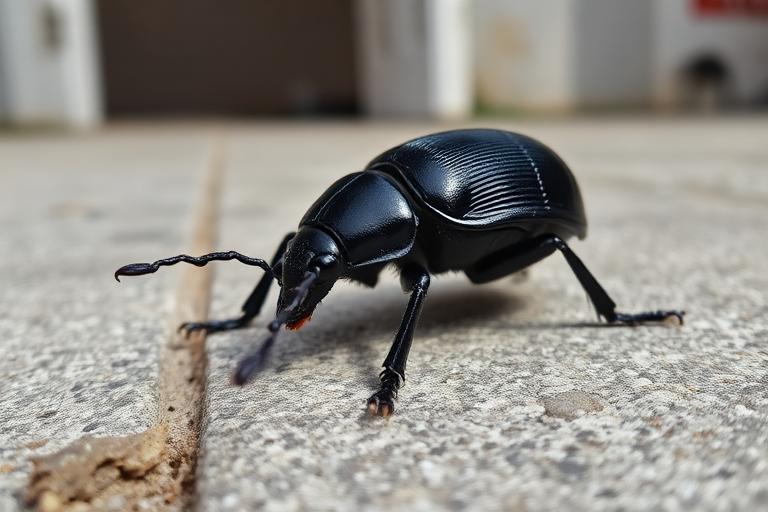
How to identify ground beetles
- What it looks like
- Shiny black or dark brown beetles with ridged wing covers and long running legs.
- Size
- 1/8 to 1 inch
- Where you'll find it
- Under stones, mulch, logs, garages and basements.
- Commonly confused with
- Oriental cockroaches are similar in color but have long antennae and no hard wing covers.
Signs of ground beetles in your home
- Beetles on garage floors at night
- Dead beetles along walls
- Activity near exterior lights
Is it really ground beetles? Side-by-side comparisons
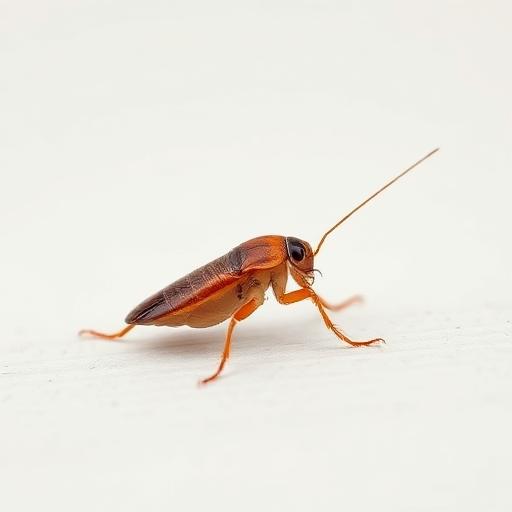
Ground beetles have hard, ridged wing covers (elytra) meeting in a straight line down the back, and short antennae. Oriental cockroaches possess long antennae and leathery, non-ridged wings that do not fully cover the abdomen in females.
Ground beetles typically have slender legs adapted for running and prominent mandibles. Darkling beetles, like the 'false wireworm,' often have stouter bodies, shorter legs, and antennae that are usually bead-like or club-shaped.
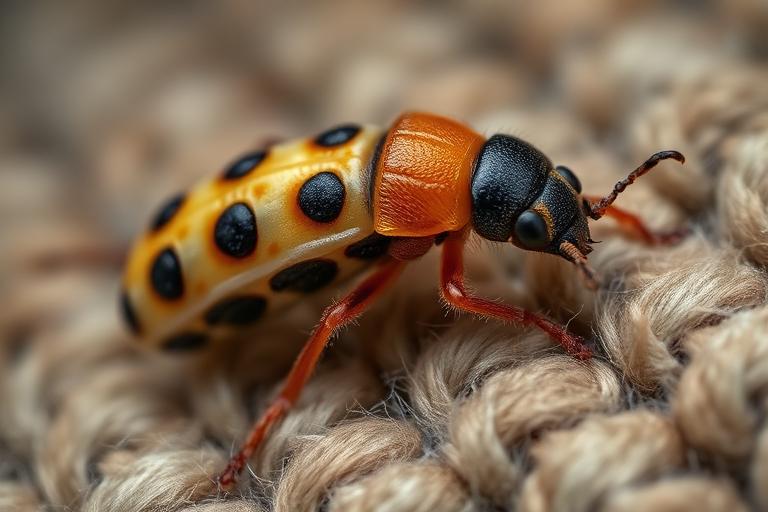
Ground beetles are much larger (1/8 to 1 inch) and active runners. Carpet beetles are small (less than 1/4 inch), oval-shaped, and usually found near fabric or food sources, not rapidly scurrying across floors.

Ground beetles lack a distinct snout. Weevils are characterized by an elongated head capsule forming a 'snout' or rostrum, which is used for feeding and often has antennae located partway along it.
Regional differences across the U.S.
Ground beetles, primarily species like Harpalus pensylvanicus and Pterostichus melanarius, are found throughout the contiguous United States. In the Northeast and Midwest, increased rainfall during spring and summer months often drives beetles from saturated outdoor harborage into homes. In drier Western states like California and Arizona, irrigation and landscaping around foundations can create attractive microclimates, especially for species such as Calosoma cancellatum. Coastal areas, particularly the Gulf Coast states, may experience higher populations due to consistently humid conditions and readily available moisture. The construction type, such as homes with basements or slab foundations, also influences the risk of interior invasions.
Life cycle and timing that changes treatment
Most ground beetle species complete one generation per year. Adults typically overwinter in sheltered outdoor locations such as under leaf litter or logs. Eggs are laid in the soil in spring, with larvae developing through the summer. Pupation occurs in late summer, and new adults emerge in the fall. These new adults then seek overwintering sites, often entering structures. The entire egg-to-adult cycle usually takes 6-12 weeks, meaning sustained mild weather can lead to continuous emergence.
How to inspect for ground beetles, step by step
- 1
Using a flashlight at a low angle, examine baseboards and perimeter edges in basements, crawl spaces, and ground-level rooms for active beetles or shed exoskeletons.
- 2
Inspect under doormats, potted plants, and landscape timbers directly adjacent to the foundation, paying attention to areas with consistent moisture or organic debris.
- 3
Check window wells and door thresholds for accumulations of beetles, as these are common entry points; clear debris and verify proper sealing.
- 4
Place several sticky traps (glue monitors) along interior walls in undisturbed areas like utility rooms or storage closets to monitor activity over several days.
Treatment decision tree
| If you find this | Do this next |
|---|---|
| You find 1-2 ground beetles indoors infrequently (e.g., once a month). | This indicates casual entry. Seal visible cracks and gaps around doors and windows. No pesticide application is typically needed. |
| You find 5-10 ground beetles indoors over a week, primarily along one exterior wall. | Investigate the exterior harborage along that wall (mulch, stones, debris). Consider exterior perimeter sealing and removal of conducive conditions. |
| You observe 15-20 ground beetles indoors daily, often in multiple rooms on the ground level. | This suggests a persistent entry point or significant outdoor population. Focus on sealing all foundation penetrations and assessing exterior moisture and harborage. |
| You find dozens of ground beetles indoors, often dead, over several days, especially in basements. | This indicates a major invasion, likely from outdoor populations overwintering or seeking shelter. A more aggressive exterior treatment and comprehensive exclusion may be warranted. |
| You are unable to identify the insect, or the infestation appears to be spreading rapidly. | Contact a licensed pest management professional. Misidentification can lead to ineffective treatments, and a growing problem indicates a larger issue. |
Where DIY runs out of road
- • Over-the-counter perimeter sprays often contain synthetic pyrethroids which can act as repellents, potentially driving beetles through unsealed cracks into the structure instead of killing them.
- • Foggers and 'bug bombs' are largely ineffective against ground beetles; they do not penetrate harborage areas where beetles hide and often disperse them into untreated areas.
- • Indiscriminate indoor pesticide applications without addressing exterior conditions provide only temporary relief and can lead to unnecessary chemical exposure without solving the root cause.
When to call a professional
- • Persistent indoor activity despite extensive sealing and harborage removal efforts.
- • You identify significant moisture issues or structural vulnerabilities contributing to entry.
- • Large populations (dozens+) found indoors, especially in difficult-to-access areas like crawl spaces.
Safety and legal limits
Always read and follow pesticide product labels precisely; it is a federal offense to use a product in a manner inconsistent with its labeling. Many effective insecticides are restricted-use products available only to licensed professionals. When using any pesticide, ensure proper ventilation and use appropriate personal protective equipment like gloves and respirators if specified. Keep children and pets away from treated areas until dry. Be mindful of drift when spraying outdoors, avoiding non-target plants, water sources, and beneficial insects. Consider integrated pest management (IPM) techniques first to minimize chemical exposure. There are no protected ground beetle species, nor are they vectors for disease or rabies.
Ground beetles questions homeowners ask
Is the black beetle in my basement a roach?
If it has hard shell-like wing covers and short antennae, it is a ground beetle, not a cockroach.
Ground beetle control by city
Local technicians handle ground beetles in every market below — pick your city for neighborhood coverage, seasonal notes and a free quote.
Related occasional invaders pests
Sources and further reading
Guidance on this page is compiled from EPA, CDC and land-grant university extension IPM publications, which are linked in the sources section. It is general information, not a diagnosis or a treatment recommendation for your property.
- Pest Notes: home and landscape pests — University of California Statewide IPM Program
- Pest control and pesticide fact sheets — National Pesticide Information Center (Oregon State University / EPA)
- Integrated Pest Management (IPM) principles — U.S. Environmental Protection Agency
- Safe pest control in and around the home — U.S. Environmental Protection Agency