
Ants
Carpenter ants: identification & carpenter ant control
Carpenter ants do not eat wood — they excavate smooth galleries in it to nest, usually where moisture has softened framing. We trace parent and satellite nests, treat the voids directly and identify the leak or grade issue feeding the problem.
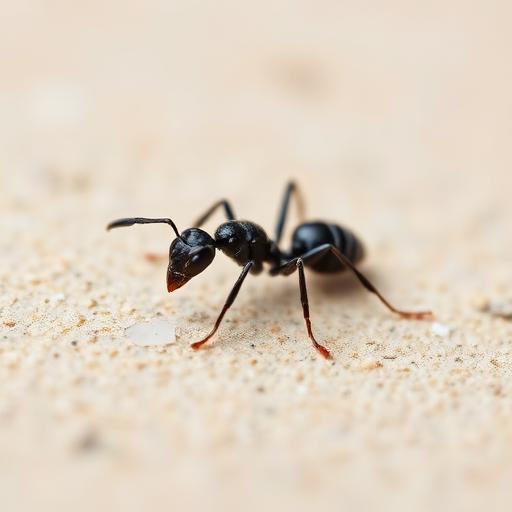
How to identify carpenter ants
- What it looks like
- Large black or black-and-red ants with a single waist node and an evenly rounded thorax.
- Size
- 1/4 to 5/8 inch
- Where you'll find it
- Damp wood around windows, decks, roof leaks, tree stumps and crawl spaces.
- Commonly confused with
- Termite swarmers; carpenter ants have bent antennae and a pinched waist.
Signs of carpenter ants in your home
- Coarse sawdust (frass) piles
- Rustling in walls at night
- Large winged ants indoors in spring
Is it really carpenter ants? Side-by-side comparisons
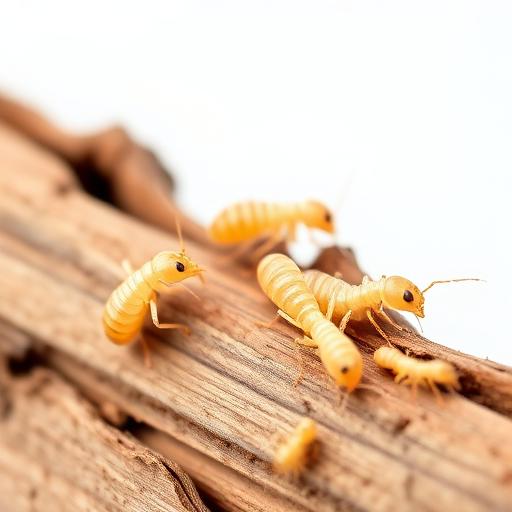
Carpenter ants have elbowed antennae and a constricted waist; termite swarmers have straight antennae and broad waists.
Carpenter ants are significantly larger (1/4 to 5/8 inch) and uniformly colored, unlike the smaller, dark brown pavement ants.
Carpenter ants are much larger and lack the distinct rotten coconut smell emitted by crushed odorous house ants.
Carpenter ants have a single, rounded petiole node, while acrobat ants have a two-segmented petiole and heart-shaped abdomen.
Regional differences across the U.S.
The most common species in the eastern US (e.g., New England, Mid-Atlantic, Southeast) is *Camponotus pennsylvanicus*, a large black ant. In the Pacific Northwest and parts of California, *Camponotus modoc* (black with reddish legs and antennae) and *Camponotus vicinus* (red and black) are prevalent. Southwestern states often encounter *Camponotus sayi*. Northern regions like Minnesota and Wisconsin see peak foraging activity from May to September, while warmer, humid southern states like Florida and Louisiana can experience year-round activity, particularly in structures with moisture issues. Coastal areas and regions with heavy rainfall are at higher risk due to increased damp wood availability.
Life cycle and timing that changes treatment
Carpenter ants undergo complete metamorphosis: egg, larva, pupa, and adult. A colony typically takes 3-6 years to produce winged reproductives (swarmers). Eggs hatch in about 24 days, and the entire egg-to-adult cycle averages 60 days under optimal conditions. Colonies produce one generation per year. Overwintering occurs as adults in galleries, with reduced activity until temperatures rise in spring.
How to inspect for carpenter ants, step by step
- 1
Scan baseboards and window sills with a flashlight held at a low angle to spot frass (sawdust-like material) ejected from galleries.
- 2
Use a moisture meter around plumbing fixtures, leaky roofs, and window frames to identify hidden areas of water-damaged wood.
- 3
Place glue monitors in suspected foraging paths, such as along walls in damp basements or crawl spaces, to confirm activity patterns.
- 4
Inspect tree stumps, firewood piles, and landscape timbers near the foundation for signs of nesting activity like excavated wood.
Treatment decision tree
| If you find this | Do this next |
|---|---|
| You see 1-2 foraging worker ants indoors randomly in winter months. | This suggests an isolated scout or overwintering activity; monitor for increased activity but immediate treatment is likely unnecessary. |
| You see several foraging worker ants indoors during spring/summer, but no swarmers or frass. | Indicates foraging from an outdoor nest or early stage indoor nest; focus inspection on moisture points and exterior perimeters. |
| You find frass piles (sawdust and insect parts) near windows, doors, or in attics. | Strong evidence of an active indoor nest; pinpoint the gallery location by tracing frass back and prepare for targeted treatment. |
| You observe 5-10 winged swarmers indoors during late spring or early summer. | Indicates a mature, active colony likely nesting within the structure; requires comprehensive inspection to locate and treat the main nest. |
| You hear persistent rustling or crunching sounds within walls or wooden structures. | This is a definitive sign of extensive nesting activity; immediate, professional intervention is recommended to prevent significant structural damage. |
Where DIY runs out of road
- • Over-the-counter repellent sprays often disperse carpenter ant colonies, causing them to establish multiple satellite nests and complicating control efforts.
- • Bait stations purchased at retail stores are frequently ineffective against large carpenter ant colonies due to insufficient active ingredient transfer to the main nest.
- • Foggers and 'bug bombs' do not penetrate deep into wall voids or wood galleries, failing to reach the queen and larvae, leading to quick re-infestation.
When to call a professional
- • Persistent activity after diligent DIY efforts, especially frass or swarmers.
- • Multiple colony locations suspected within different parts of the structure.
- • When nests are located in inaccessible areas like high wall voids or behind permanent fixtures.
Safety and legal limits
Always read and strictly follow the pesticide label; it is a legal document. Misuse can harm humans, pets, and non-target organisms. Products labeled for indoor use should be applied according to instructions, avoiding areas accessible to children and pets until dry. Restricted-use pesticides require a certified applicator. When applying dusts or aerosols into voids, wear appropriate personal protective equipment, including a respirator and gloves, to prevent inhalation and skin exposure. Ensure adequate ventilation. Never apply liquid pesticides directly to electrical outlets or wiring. Be mindful of drift if applying outdoors near water sources or flowering plants frequented by pollinators.
Carpenter ants questions homeowners ask
Do carpenter ants damage a house?
Yes, over time. Galleries weaken already damp framing, though damage is slower than termite damage.
What does carpenter ant frass look like?
Fine, shredded wood shavings mixed with insect parts, usually below a small slit-like opening.
Carpenter ant control by city
Local technicians handle carpenter ants in every market below — pick your city for neighborhood coverage, seasonal notes and a free quote.
Related ants pests
Sources and further reading
Guidance on this page is compiled from EPA, CDC and land-grant university extension IPM publications, which are linked in the sources section. It is general information, not a diagnosis or a treatment recommendation for your property.
- Pest Notes: home and landscape pests — University of California Statewide IPM Program
- Pest control and pesticide fact sheets — National Pesticide Information Center (Oregon State University / EPA)
- Integrated Pest Management (IPM) principles — U.S. Environmental Protection Agency
- Safe pest control in and around the home — U.S. Environmental Protection Agency