
Ants
Ants: identification & ant control
Ant infestations rarely stop at the trail you can see. Our licensed technicians identify the species, locate satellite colonies, and use baits and non-repellent barriers that workers carry back to the queen — so the colony collapses instead of relocating.
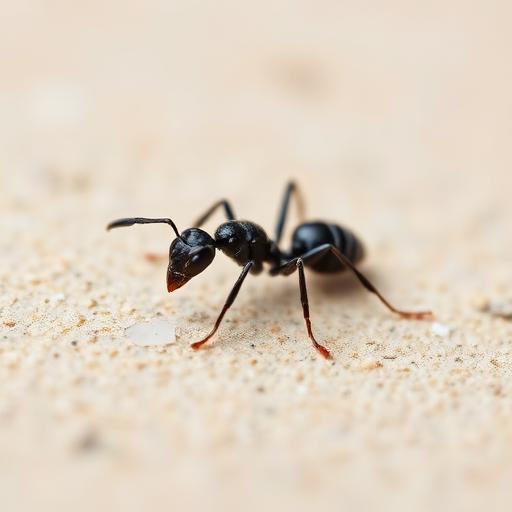
How to identify ants
- What it looks like
- Small six-legged insects with elbowed antennae, a narrow waist and a distinct head, thorax and abdomen.
- Size
- 1/16 to 1/2 inch depending on species
- Where you'll find it
- Kitchens, bathrooms, wall voids, mulch beds, sidewalk cracks and under slabs.
- Commonly confused with
- Termite swarmers — termites have straight antennae, an even waist and equal-length wings.
Signs of ants in your home
- Trails of ants along counters or baseboards
- Small dirt or sand piles by cracks
- Winged swarmers indoors
- Ants around pet bowls or sinks
Is it really ants? Side-by-side comparisons
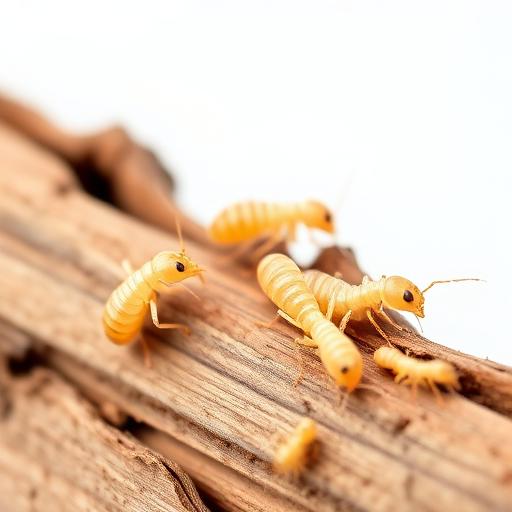
Ants have elbowed antennae, a constricted 'waist' between thorax and abdomen, and front wings longer than hind wings. Termites have straight antennae, a broad 'waist', and wings of equal length.
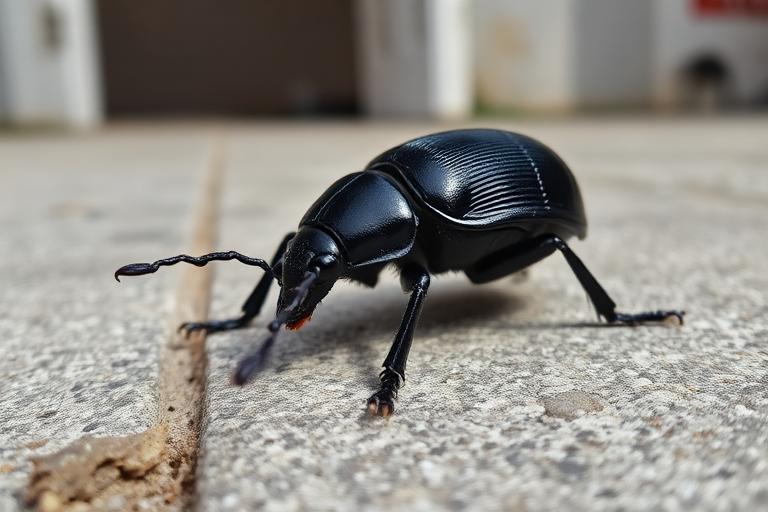
Ants possess elbowed antennae and a distinct narrow waist. Beetles typically have straight or clubbed antennae and a broad, unsegmented connection between thorax and abdomen.
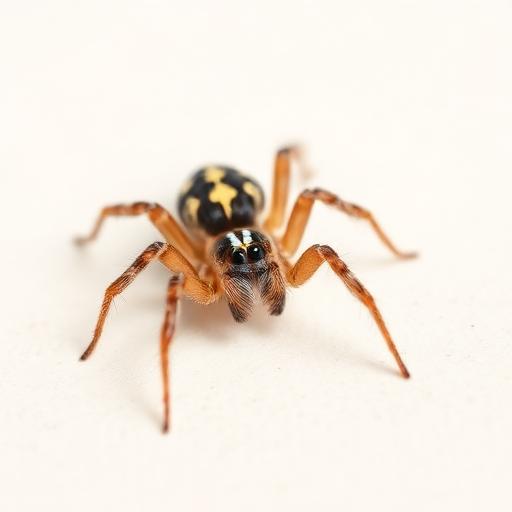
Ants always have six legs and distinct body segments (head, thorax, abdomen). Spiderlings have eight legs and typically two main body segments (cephalothorax and abdomen).
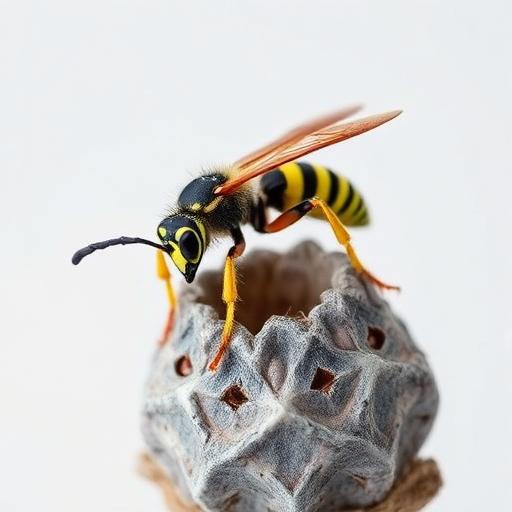
Ants have elbowed antennae and a characteristic body shape with a defined petiole. Velvet ants are solitary, often very hairy, and lack the social structure and foraging patterns of ants.
Regional differences across the U.S.
Across the US, ant species dominance varies significantly. In the Southeast (e.g., Florida, Georgia), the invasive Tawny Crazy Ant (Nylanderia fulva) is a major nuisance, often infesting electrical equipment and forming supercolonies. In the Southwest (e.g., Arizona, Texas), Red Imported Fire Ants (Solenopsis invicta) are a significant agricultural and health pest, especially in disturbed soils. Carpenter ants (Camponotus spp.) are prevalent in forested regions nationwide, particularly in the Pacific Northwest and Northeast, where moist wood in homes creates ideal nesting sites. Argentine Ants (Linepithema humile) dominate coastal California, forming vast foraging trails. Seasonal activity is longer in warmer climates, with year-round foraging possible in parts of Florida and Southern California, while northern states see a decrease in outdoor activity during winter. Construction types, like slab foundations in the South, can lead to ants nesting under concrete, while wood-framed homes in wetter regions are more susceptible to carpenter ants.
Life cycle and timing that changes treatment
Ants undergo complete metamorphosis: egg, larva, pupa, and adult. The egg-to-adult development time varies by species and environmental conditions, typically 6-10 weeks for many common species like pavement ants. Most ant colonies produce multiple generations per year. Overwintering usually occurs as adult queens and workers deep within nests, or some species may overwinter as pupae or larvae. Optimal control often targets foraging workers to deliver bait to the nest during active foraging periods in spring and summer.
How to inspect for ants, step by step
- 1
Use a flashlight at a low angle along baseboards and countertops to spot foraging trails, especially in kitchens and bathrooms where food and water are accessible.
- 2
Inspect exterior perimeter walls, foundations, and sidewalks for ant trails, paying close attention to cracks, expansion joints, and weep holes where they gain entry.
- 3
Utilize a moisture meter around window frames, under sinks, and near leaky pipes. High moisture areas attract moisture-loving ants like carpenter ants.
- 4
Place non-toxic glue monitors in undisturbed areas like utility closets, basements, and attics to detect ant activity and identify common entry points without disturbing them.
Treatment decision tree
| If you find this | Do this next |
|---|---|
| You observe 1-2 ants foraging on a countertop occasionally. | This indicates minor foraging. Thoroughly clean up food debris and consider placing a non-repellent ant bait (e.g., hydramethylnon or fipronil) near the observed activity. |
| You see consistent trails of 5-10 ants foraging indoors. | This suggests an established trail and potential indoor nesting or a significant outdoor colony. Use targeted ant baits. Avoid spraying, which can cause colony budding and spread. |
| You find piles of sawdust-like frass near wood structures indoors. | This is indicative of carpenter ant activity. Locate the nest, often in moist wood. Direct application of a non-repellent dust (e.g., borate) into galleries is necessary. Do not spray. |
| You notice numerous ants (hundreds) emerging from electrical outlets or wall voids. | This indicates a large, possibly supercolony, or nesting within structures. Avoid DIY sprays; this situation often requires professional intervention with non-repellent dusts or baits applied into voids. |
| You are experiencing recurrent infestations despite consistent baiting and sanitation. | This suggests a complex or particularly resilient species (e.g., Argentine ants, Tawny crazy ants) or a deeply harbored nest. A professional pest control operator can identify the species and apply targeted treatments. |
Where DIY runs out of road
- • Over-the-counter repellent sprays only kill surface ants and can cause colony 'budding' or 'satelliting,' splitting the colony into multiple harder-to-control units. They do not eliminate the source.
- • Broadcasting granular insecticides around the perimeter without proper identification or targeting can harm non-target organisms, including pollinators, and contaminate soil without effectively controlling the ant nest.
- • DIY attempts to seal entry points without eliminating the interior nest can trap ants inside, forcing them to find new routes, potentially into more sensitive areas of the home like food preparation zones.
When to call a professional
- • When large numbers of carpenter ants are found, indicating structural damage potential.
- • If fire ant mounds are numerous or in areas with high human/pet traffic, posing sting risks.
- • When recurrent infestations persist despite diligent DIY efforts, suggesting a resilient or difficult-to-locate colony.
Safety and legal limits
Always read and strictly follow the entire pesticide product label, as it is a legal document. Never apply more than the specified rate. Many ant baits contain active ingredients like hydramethylnon, fipronil, or indoxacarb; ensure they are placed out of reach of children and pets. When applying dusts or sprays, wear appropriate personal protective equipment (PPE), including gloves and eye protection, to minimize skin and respiratory exposure. Ventilate treated areas thoroughly. For outdoor applications, be mindful of environmental impacts, especially runoff into water sources and potential harm to beneficial insects like bees; avoid spraying flowering plants. Never use restricted-use pesticides without proper licensing. Misuse can lead to ineffective control, environmental contamination, and health risks.
Ants questions homeowners ask
How do I identify the type of ant in my house?
Look at size, color, waist segments and whether swarmers are present. Tiny brown trailing ants are usually odorous house or pavement ants; large black ants near wood are typically carpenter ants.
Why do ants keep coming back after I spray?
Store-bought sprays kill foragers but not the queen, and repellent products can split a colony into several. Baiting the colony is what ends the infestation.
Ant control by city
Local technicians handle ants in every market below — pick your city for neighborhood coverage, seasonal notes and a free quote.
Related ants pests
Sources and further reading
Guidance on this page is compiled from EPA, CDC and land-grant university extension IPM publications, which are linked in the sources section. It is general information, not a diagnosis or a treatment recommendation for your property.
- Pest Notes: home and landscape pests — University of California Statewide IPM Program
- Pest control and pesticide fact sheets — National Pesticide Information Center (Oregon State University / EPA)
- Integrated Pest Management (IPM) principles — U.S. Environmental Protection Agency
- Safe pest control in and around the home — U.S. Environmental Protection Agency