
Ants: types, identification & control
Ants are the most common household pest in the United States, and the species matters more than the trail you can see. Carpenter ants tunnel through damp structural wood, fire ants sting outdoors, pharaoh ants split their colonies when sprayed, and odorous house ants smell like coconut when crushed. Use the guides below to identify the ant you found by size, color and behavior, then see the treatment that actually collapses that colony.
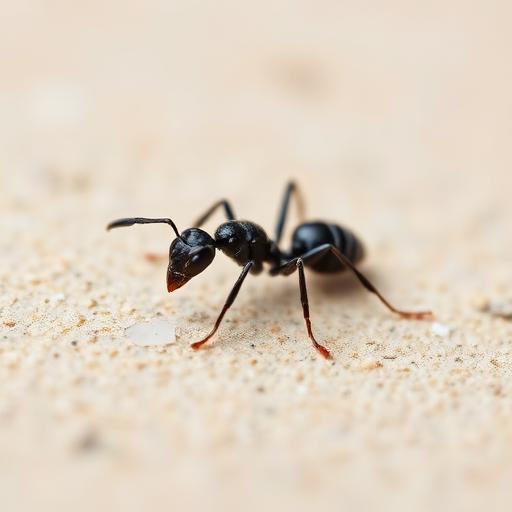
The 10 types of ants we treat
Ants
Kitchen trails, carpenter ants and outdoor colonies treated at the source.
Size: 1/16 to 1/2 inch depending on species
Carpenter ants
Large black ants tunneling in damp structural wood.
Size: 1/4 to 5/8 inch
Fire ants
Yard mound treatment for aggressive stinging red ants.
Size: 1/8 to 1/4 inch
Odorous house ants
Tiny brown sugar ants that smell like coconut when crushed.
Size: 1/16 to 1/8 inch
Pavement ants
Small dark ants nesting under driveways, patios and slabs.
Size: 1/8 inch
Pharaoh ants
Tiny yellow ants that spread when sprayed — bait only.
Size: 1/16 inch
Crazy ants
Erratic fast-moving ants that swarm electronics and outlets.
Size: 1/8 inch
Argentine ants
Massive supercolonies with wide trails along foundations.
Size: 1/8 inch
Acrobat ants
Heart-shaped abdomen ants nesting in damp wood and insulation.
Size: 1/8 inch
Thief ants
Nearly invisible grease-loving ants in kitchen cracks.
Size: 1/32 to 1/16 inch