Wildlife
Wildlife exclusion: identification & wildlife exclusion
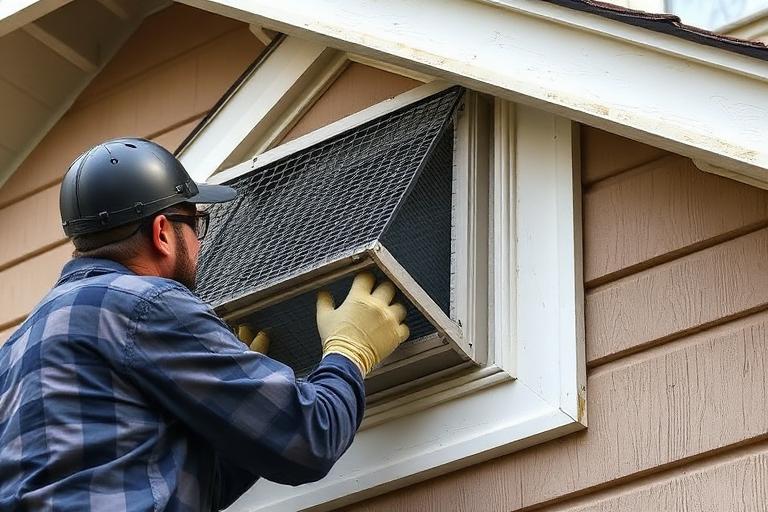
Removal without exclusion just makes room for the next animal. We inspect the entire structure, seal roof lines, vents, chimneys and foundation gaps with metal-reinforced materials and back the work with a warranty.
How to identify wildlife exclusion
- What it looks like
- Not a pest — the service that keeps wildlife from re-entering after removal.
- Where you'll find it
- Roof returns, soffit corners, ridge and gable vents, chimneys, dryer vents and foundation gaps.
Signs of wildlife exclusion in your home
- Repeat animal activity after removal
- Chewed vent screens
- Gaps visible at the roof line
Is it really wildlife exclusion? Side-by-side comparisons
Rodent exclusion specifically targets rats (Rattus spp.) and mice (Mus musculus) with fine mesh and cement, while general wildlife exclusion addresses larger animals needing more robust materials.
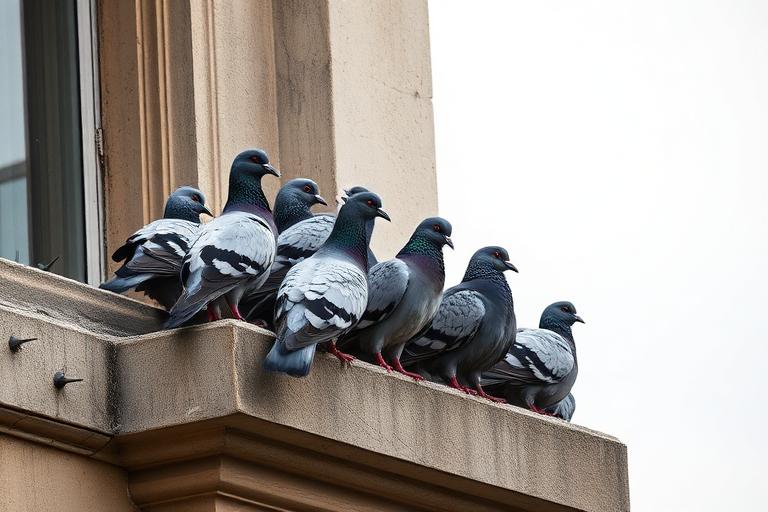
Bird exclusion primarily focuses on preventing avian entry using netting or spike strips on ledges, distinct from the structural sealing required for terrestrial or arboreal mammals.
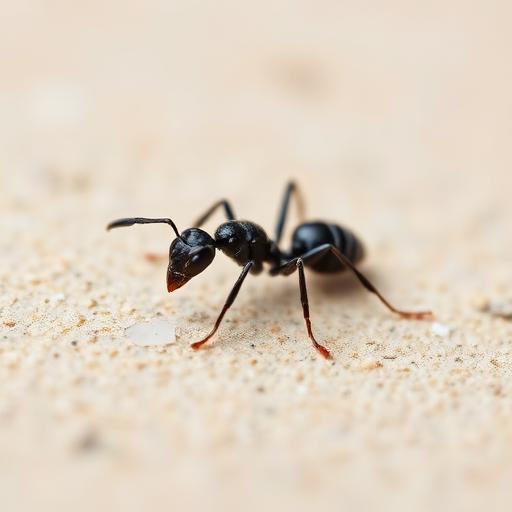
Pest proofing is a broader term encompassing all pest types, whereas wildlife exclusion specifically refers to preventing the entry of larger vertebrate animals into structures.
Repairs for wear and tear fix existing damage, but wildlife exclusion specifically modifies structures to prevent future animal entry, often using specialized, durable materials.
Regional differences across the U.S.
Wildlife exclusion needs vary significantly by US region due to climate, common species, and construction styles. In the Northeast and Midwest, preventing entry of raccoons (Procyon lotor) and squirrels (Sciurus carolinensis) into attics is a year-round concern, peaking in fall and winter. Dryer vent protection is crucial due to cold-seeking rodents. Southeastern states like Florida and Louisiana face issues with armadillos (Dasypus novemcinctus) and roof rats (Rattus rattus) exploiting foundation gaps and compromised soffits, often exacerbated by high humidity and older, less robust construction. Western states, particularly California, contend with Norway rats (Rattus norvegicus) and sometimes bats (Myotis lucifugus) seeking refuge in cool attics or eaves during hot, dry summers, requiring robust sealing of all roofline penetrations.
Life cycle and timing that changes treatment
Wildlife exclusion is not focused on an insect's life cycle, but rather the annual cycles and denning behaviors of vertebrate pests. Most common nuisance wildlife in the US, like raccoons, squirrels, and rats, breed annually or semi-annually. Exclusion efforts are most effective after young are independent, typically late spring to early fall, to avoid sealing in dependent offspring. Overwintering often occurs in protected structures, making fall a critical time for preventative exclusion before cold weather drives animals indoors.
How to inspect for wildlife exclusion, step by step
- 1
Inspect roof returns and soffit corners with a powerful flashlight, looking for gnaw marks, fur, or droppings, indicating entry points for squirrels or raccoons.
- 2
Examine ridge and gable vents for damage or displaced screening, using a ladder for close access and checking for signs of bat or bird roosting.
- 3
Carefully inspect dryer vents and foundation gaps using a small mirror and flashlight, identifying openings larger than 1/4 inch, potential entry for rodents or snakes.
- 4
Utilize a moisture meter around suspected entry points in attics or crawlspaces to identify urine or animal waste saturation that could indicate active infestation or denning.
Treatment decision tree
| If you find this | Do this next |
|---|---|
| You observe a single squirrel on your roof, but no signs of interior entry. | This is preventative; trim tree branches within 6-8 feet of the roofline and ensure attic vents have intact screening. No immediate exclusion is necessary. |
| You find minor gnaw marks on an exterior soffit, but no active animal signs or droppings. | Seal the small opening with hardware cloth (1/4 inch mesh) or a durable sealant. Monitor the area for new activity. This prevents future entry. |
| You hear occasional scratching in the attic at night, with no visual signs outside. | Install one-way exclusion doors over suspected entry points. Once confirmed clear, permanently seal the opening. This indicates an active but contained issue. |
| You find significant droppings and nesting material in the attic, along with large entry holes. | Confirm all animals have exited, possibly using a professional. Then, seal all identified entry points with durable materials like galvanized steel or heavy-gauge hardware cloth. |
| You encounter a live wild animal (e.g., raccoon, bat) inside your living space. | Isolate the animal to one room if safe. Immediately contact a licensed wildlife control operator or local animal control for removal. This is a severe, active infestation. |
Where DIY runs out of road
- • Over-the-counter expanding foam is easily chewed through by rodents and larger wildlife, failing to provide lasting exclusion for entry points.
- • DIY attempts to seal a den with animals inside often leads to trapped animals dying in walls, causing severe odor issues and further damage as others try to get in/out.
- • Most homeowners lack the specialized tools, materials, and safety training for safely and effectively sealing high, complex roofline entry points against persistent wildlife like raccoons.
When to call a professional
- • When a protected species, like a bat colony or migratory bird, is suspected.
- • If an animal is exhibiting aggressive behavior, appears sick, or is a known rabies vector.
- • When entry points are at extreme heights or require specialized equipment for safe access.
Safety and legal limits
Always review product labels for any materials used during exclusion, even non-pesticide items like sealants, for proper application and personal protective equipment. While direct pesticide application is not central to exclusion, ensuring proper ventilation during sealing and repair work is crucial to avoid inhaling fumes from adhesives or caulk. When handling potential entry points, wear puncture-resistant gloves and safety glasses to prevent injury from sharp edges or animal residue. Be acutely aware of electrical hazards when working near utility lines or attic wiring. Never attempt to handle wild animals directly; they can carry diseases like rabies or leptospirosis, and some species are federally or state protected. If a protected species like a bat is present, contact a licensed professional to ensure compliance with wildlife protection laws in your state.
Wildlife exclusion questions homeowners ask
Is exclusion necessary after removal?
Yes — the odor and existing openings attract new animals within weeks if the entries are not sealed.
Wildlife exclusion by city
Local technicians handle wildlife exclusion in every market below — pick your city for neighborhood coverage, seasonal notes and a free quote.
Related wildlife pests
Sources and further reading
Guidance on this page is compiled from EPA, CDC and land-grant university extension IPM publications, which are linked in the sources section. It is general information, not a diagnosis or a treatment recommendation for your property.
- Rabies and wild animals — U.S. Centers for Disease Control and Prevention
- Migratory Bird Treaty Act protected species list — U.S. Fish and Wildlife Service
- Integrated Pest Management (IPM) principles — U.S. Environmental Protection Agency
- Safe pest control in and around the home — U.S. Environmental Protection Agency