
Wildlife
Bats: identification & bat removal
Bats are protected and cannot be trapped; they must be excluded with one-way devices outside maternity season. We seal the roost, clean and disinfect guano, and repair the entry points.
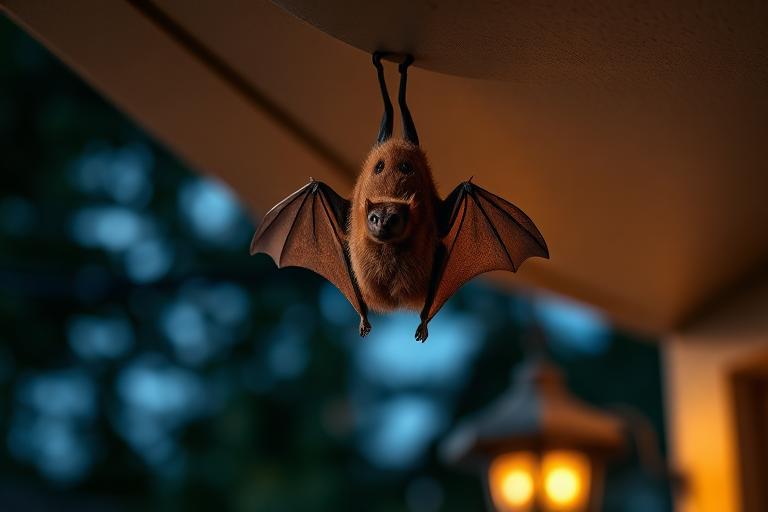
How to identify bats
- What it looks like
- Small brown flying mammals with leathery wings that roost hanging in dark voids.
- Size
- 3 to 5 inch body with a 9 to 13 inch wingspan
- Where you'll find it
- Attics, chimneys, soffits, ridge vents, shutters and behind siding.
- Commonly confused with
- Bird droppings are white-tipped and do not crumble into shiny insect fragments.
Signs of bats in your home
- Bats flying out at dusk from one spot
- Dark greasy staining at a gap
- Shiny black droppings that crumble
- Ammonia smell in the attic
Is it really bats? Side-by-side comparisons
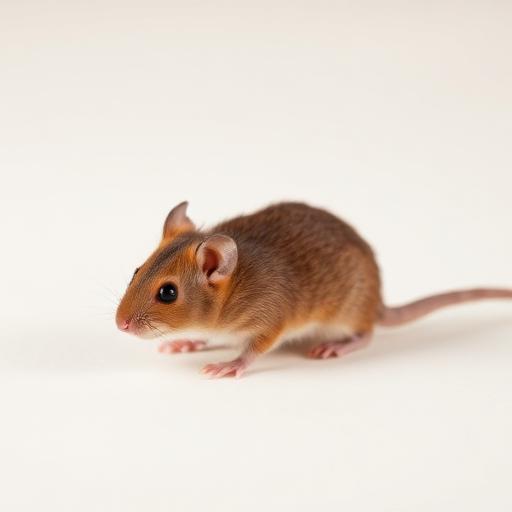
Bat guano crumbles easily into shiny, insect-fragment-filled dust; rodent droppings are hard and uniform.
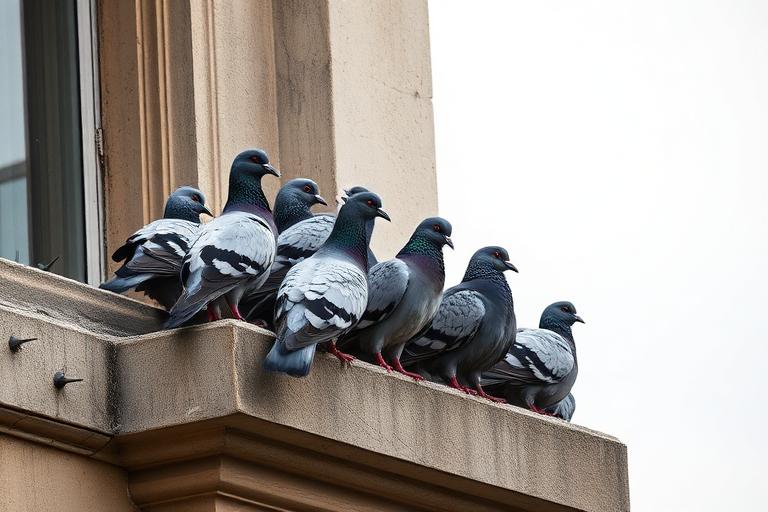
Bird droppings are typically white-capped and pasty, lacking the distinct insect fragments of guano.
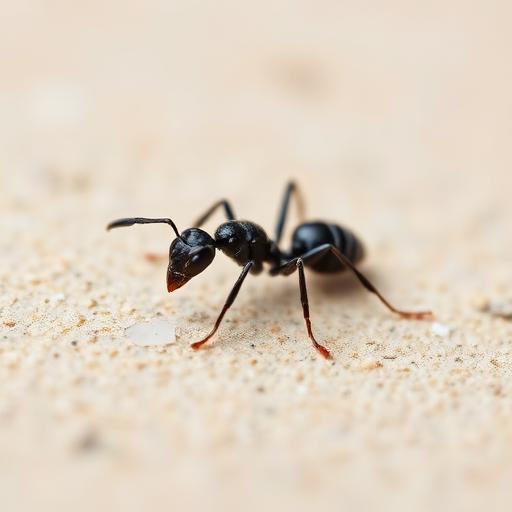
Bat rub marks around entry points are greasy and dark brown/black, distinct from dry soot or water stains.
Mice leave small, dark droppings and gnaw marks; bats leave guano and no gnawing damage to structures.
Regional differences across the U.S.
The little brown bat (Myotis lucifugus) is common throughout the northern US, often colonizing attics and barns. Big brown bats (Eptesicus fuscus) are more widespread across all US states and frequently roost in buildings. In the Southwest, particularly Arizona and New Mexico, Mexican free-tailed bats (Tadarida brasiliensis) form massive colonies and often utilize expansive attics or stadium structures. Cooler northern climates like New England or the Upper Midwest see bats seeking indoor harborage more intensely in late summer and fall as they prepare for hibernation. Southern states with warmer climates may experience more year-round activity and less distinct seasonal pressure for indoor roosting, though maternity colonies are still seasonal.
Life cycle and timing that changes treatment
Bats typically have one breeding season per year, usually in late spring or early summer, giving birth to a single pup. Pups mature rapidly, becoming volant (able to fly) within 3-5 weeks. This timing is critical because exclusion efforts must avoid trapping flightless pups inside, which would lead to their death and subsequent odor problems. Bats overwinter by hibernating, often in caves or mines, but increasingly in structures in colder regions.
How to inspect for bats, step by step
- 1
Look for greasy rub marks and dark staining around potential entry points like eaves, ridge vents, and uncapped chimneys, using a bright flashlight.
- 2
Inspect the attic at dawn or dusk for visible bats emerging or returning, focusing on gable vents, soffit gaps, and unsecured flashing.
- 3
Examine insulation for bat guano accumulation, which appears as dark, shiny pellets often concentrated below roosting areas.
- 4
Use a ladder to carefully check behind shutters, loose siding, and fascia boards for roosting bats or guano trails, especially on sunny, protected sides of the house.
Treatment decision tree
| If you find this | Do this next |
|---|---|
| You observe a single bat flying inside your living space during the day. | This often indicates an accidental entry. Isolate the bat to one room, open a window, and allow it to exit naturally. Monitor for further activity. |
| You find a bat in your home at night, or if there's potential human/pet contact. | Do not attempt to catch it yourself. Contact your local health department or animal control immediately for rabies exposure risk assessment and safe removal. |
| You see several bats emerging from your home around dusk from one or two specific areas. | This indicates a localized roost. Observe to confirm entry points. Plan for exclusion outside of maternity season (typically August-October). |
| You notice significant guano accumulation in your attic or distinct odor and regular bat activity. | This signifies a well-established colony. Professional exclusion, guano removal, and decontamination are necessary due to health risks (histoplasmosis). |
| Numerous bats are present in living spaces, or you suspect a large colony and have immunocompromised individuals or pets in the home. | This is a serious health hazard. Immediately contact a licensed wildlife control operator experienced in bat removal and remediation. |
Where DIY runs out of road
- • Over-the-counter repellents are largely ineffective; bats will habituate to sounds or smells, and they do not solve structural entry points.
- • Amateur exclusion attempts can trap bats inside walls, leading to decomposition odors and forcing bats into living spaces in search of an exit.
- • Improper guano cleanup without respiratory protection can disperse fungal spores (Histoplasma capsulatum), leading to respiratory illness.
When to call a professional
- • When a bat is found in a living space with potential human or pet contact, due to rabies vector concerns.
- • When a large colony is suspected or confirmed in the attic, requiring specialized exclusion and guano remediation.
- • If bats repeatedly re-enter after DIY attempts, indicating complex entry points or inadequate exclusion methods.
Safety and legal limits
Bats are federally protected species in many states, and state laws often prohibit killing them. Removal should occur via exclusion devices that allow bats to exit but not re-enter, and only outside of maternity seasons (typically May-August) to avoid trapping flightless pups. Guano cleanup requires N95 or P100 respiratory protection to prevent inhalation of Histoplasma capsulatum spores, which can cause histoplasmosis. Never handle bats directly due to rabies risk; if contact occurs, contact your local health department. Only use exclusion methods that comply with local and federal wildlife protection laws.
Bats questions homeowners ask
Is bat guano dangerous?
Yes — accumulated guano can grow the fungus that causes histoplasmosis, so cleanup requires protective equipment.
Bat removal by city
Local technicians handle bats in every market below — pick your city for neighborhood coverage, seasonal notes and a free quote.
Related wildlife pests
Sources and further reading
Guidance on this page is compiled from EPA, CDC and land-grant university extension IPM publications, which are linked in the sources section. It is general information, not a diagnosis or a treatment recommendation for your property.
- Rabies and wild animals — U.S. Centers for Disease Control and Prevention
- Migratory Bird Treaty Act protected species list — U.S. Fish and Wildlife Service
- Integrated Pest Management (IPM) principles — U.S. Environmental Protection Agency
- Safe pest control in and around the home — U.S. Environmental Protection Agency