
Wildlife
Squirrels: identification & squirrel removal
Squirrels chew through fascia, vents and roof returns to nest in attics, and their gnawing on wiring is a fire risk. We remove the animals, install one-way doors and seal the openings with metal-reinforced repairs.
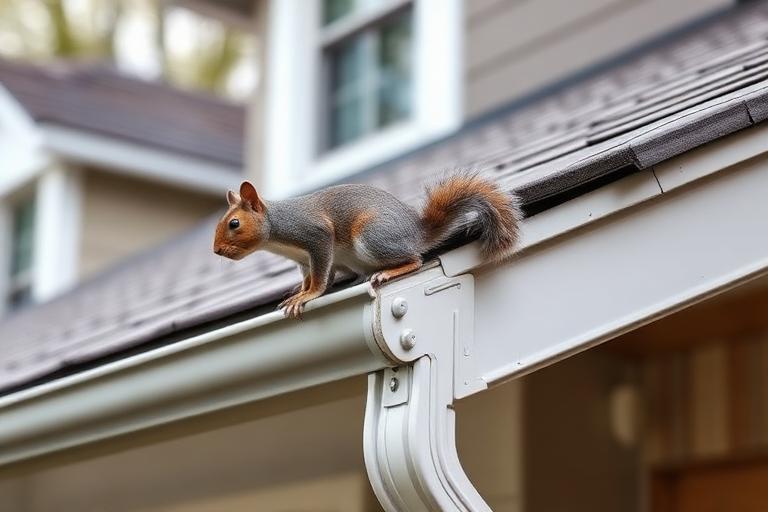
How to identify squirrels
- What it looks like
- Gray, brown or reddish rodents with bushy tails and prominent front teeth.
- Size
- 8 to 12 inch body
- Where you'll find it
- Attics, soffits, chimneys, wall voids, trees and gutters.
- Commonly confused with
- Roof rats are active at night with lighter, faster movement.
Signs of squirrels in your home
- Daytime scratching and rolling noises in the attic
- Chewed fascia or vent screens
- Nesting debris and acorn shells in insulation
Is it really squirrels? Side-by-side comparisons
Squirrels are active during the day; roof rats are nocturnal. Squirrels typically have bushier tails and are often seen climbing trees during daylight hours.
Squirrels are arboreal and active in daylight. Norway rats are terrestrial, nocturnal, and have shorter, scaly tails, often seen near foundations.
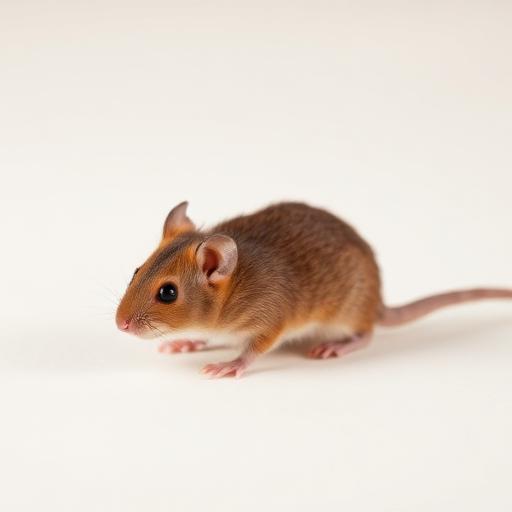
Squirrels are significantly larger (8-12 inch body) than house mice (2-4 inch body) and exhibit different climbing behaviors; mice are much smaller.
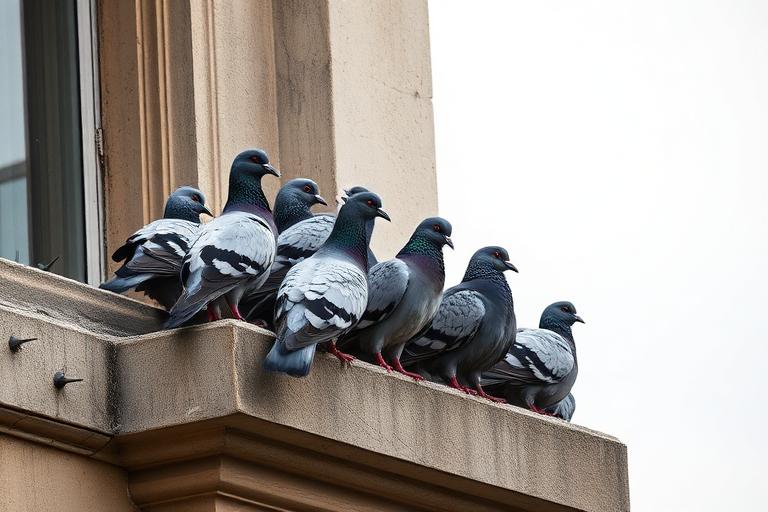
Squirrels are rodents with prominent incisors and bushy tails, moving by scampering and climbing. Birds have feathers, beaks, and fly, though they can nest in similar areas.
Regional differences across the U.S.
Eastern gray squirrels (Sciurus carolinensis) are prevalent in the eastern and central US, from Florida to southern Canada. Western gray squirrels (Sciurus griseus) dominate the Pacific Northwest, California, and parts of Nevada. Arizona and New Mexico primarily host Arizona gray squirrels (Sciurus arizonensis). Red squirrels (Tamiasciurus hudsonicus) are found across the northern US and Rockies. Southern flying squirrels (Glaucomys volans) are common in the eastern half of the US. Northern flying squirrels (Glaucomys sabrinus) inhabit northern states and the Appalachians. Breeding peaks occur in late winter and late summer across most regions, with mild southern climates potentially seeing year-round activity. Older homes with deteriorating soffits or chimneys, common in the Northeast, face higher risk. Drought conditions in the West can drive squirrels closer to human dwellings for water sources.
Life cycle and timing that changes treatment
Squirrels typically have two breeding seasons per year: late winter (January-February) and late summer (June-August). Gestation is approximately 44 days. Pups are born blind and hairless, developing rapidly. They are weaned around 8-10 weeks and become independent soon after. The critical periods for control are during breeding and when young become mobile, often coinciding with increased home entry. Squirrels do not truly hibernate but may enter torpor during harsh weather; they are active year-round. This continuous activity means control efforts are effective whenever activity is observed.
How to inspect for squirrels, step by step
- 1
Carefully inspect all roofline entry points, including soffit returns, fascia boards, and unsecured chimney caps, using a bright flashlight and binoculars from the ground or a ladder.
- 2
Examine trees overhanging the roof or within 6-8 feet of structures, looking for signs of chewed branches or active runways. Squirrels use these as direct access routes.
- 3
Inside the attic, use a powerful flashlight at a low angle to detect rub marks, droppings, or gnaw damage on insulation, wooden beams, and electrical wiring.
- 4
Check for damage or entry points around vents, dormers, and utility line penetrations. Look for chewed edges, gaps larger than a golf ball, or loose screens that squirrels exploit.
Treatment decision tree
| If you find this | Do this next |
|---|---|
| You observe a single squirrel on your roof or in your yard without signs of entry. | This indicates normal outdoor activity. Ensure all potential entry points on your home are sealed. No immediate trapping or removal is typically needed. |
| You hear occasional scratching or gnawing sounds in the attic during the daytime. | This suggests initial exploration or minor nesting. Conduct a thorough exterior inspection for entry points and seal them with hardware cloth or metal flashing. |
| You consistently hear daytime noises, see droppings, or find gnaw marks in the attic/walls. | This indicates established presence. Implement humane exclusion or single-catch trapping with proper release protocols. Consult local wildlife regulations before trapping. |
| You find a dead squirrel inside your home, especially in a wall void or chimney. | This requires immediate removal to prevent odor and secondary pest issues. Identify and seal the entry point to prevent further animal ingress. |
| You observe multiple squirrels entering/exiting a specific opening, or smell strong odors of urine/feces. | This suggests a significant infestation with a nest, potentially including young. Professional wildlife exclusion and remediation are strongly recommended due to complexity and potential damage. |
Where DIY runs out of road
- • Most over-the-counter repellents offer only temporary, limited deterrence and do not address the root cause of entry, which is physical access.
- • Attempting to seal primary entry points without ensuring all squirrels have exited can trap animals inside, leading to death, odor, and further damage as they try to gnaw their way out.
- • Unlicensed use of snap traps or poisons can result in inhumane outcomes, non-target animal harm, or legal penalties. Improper trap placement often leads to failure or injury.
When to call a professional
- • When entry points are complex, high-up, or require specialized equipment for safe and effective sealing.
- • If you suspect a nest with young or cannot humanely exclude squirrels yourself without risking harm to the animals.
- • When a squirrel exhibits aggressive behavior, appears disoriented, or shows other signs of potential rabies, requiring professional wildlife or animal control intervention.
Safety and legal limits
Always prioritize safety and adhere to local wildlife regulations. Live trapping requires adherence to state-specific guidelines regarding release sites and distances, often dictating release within a certain radius or on the property. Never handle wild squirrels directly; they can bite and transmit diseases like rabies, leptospirosis, or tularemia. If a bite occurs, seek medical attention immediately. When inspecting or repairing, wear appropriate PPE, including thick gloves and a respirator, especially when dealing with droppings or insulation, to avoid hantavirus or fungal spores. Ensure any exclusion methods do not trap squirrels inside a structure, as this can lead to severe odors and property damage from attempts to escape. Products like snap traps or one-way doors should be used judiciously and in accordance with manufacturer instructions and local laws.
Squirrels questions homeowners ask
Is it squirrels or rats in my attic?
Squirrels are noisy during daylight, especially at dawn and dusk; rats are mostly nocturnal.
Squirrel removal by city
Local technicians handle squirrels in every market below — pick your city for neighborhood coverage, seasonal notes and a free quote.
Related wildlife pests
Sources and further reading
Guidance on this page is compiled from EPA, CDC and land-grant university extension IPM publications, which are linked in the sources section. It is general information, not a diagnosis or a treatment recommendation for your property.
- Rabies and wild animals — U.S. Centers for Disease Control and Prevention
- Migratory Bird Treaty Act protected species list — U.S. Fish and Wildlife Service
- Integrated Pest Management (IPM) principles — U.S. Environmental Protection Agency
- Safe pest control in and around the home — U.S. Environmental Protection Agency