
Wildlife
Gophers: identification & gopher control
Pocket gophers pull plants down into their burrows and can destroy a garden in days. We locate the main tunnel, trap the active system and advise on barriers for beds and young trees.
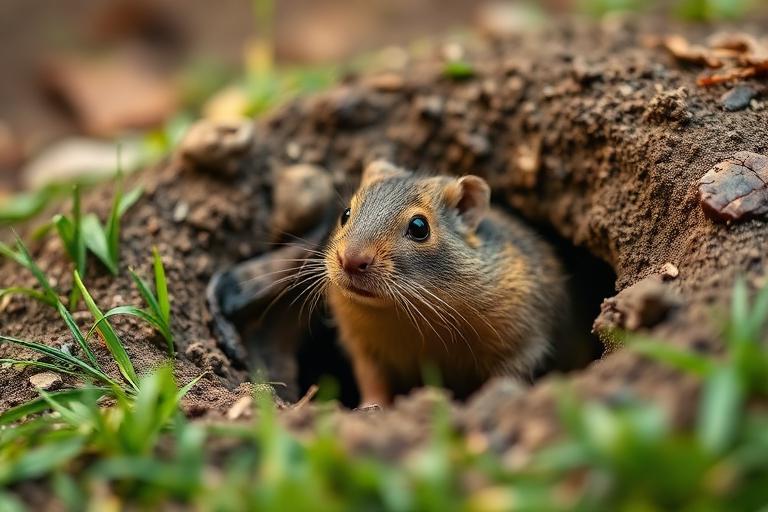
How to identify gophers
- What it looks like
- Stocky brown rodents with large yellow incisors, fur-lined cheek pouches and small ears.
- Size
- 6 to 10 inches
- Where you'll find it
- Lawns, gardens, orchards, pastures and irrigated soils.
- Commonly confused with
- Moles produce round volcano mounds without a visible plug.
Signs of gophers in your home
- Crescent or fan-shaped soil mounds with a plug
- Plants disappearing straight down
- Collapsed soil underfoot
Is it really gophers? Side-by-side comparisons
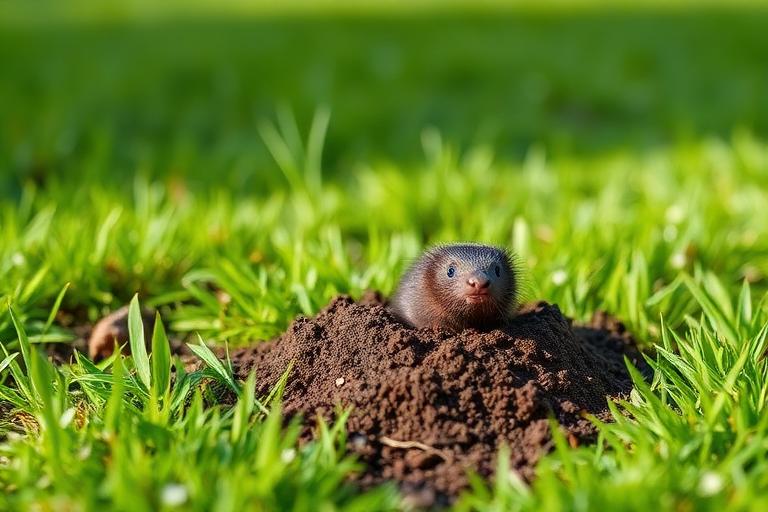
Gopher mounds are crescent or horseshoe-shaped, with a distinct soil plug off to one side; mole mounds are circular, volcano-shaped, and lack a plug.
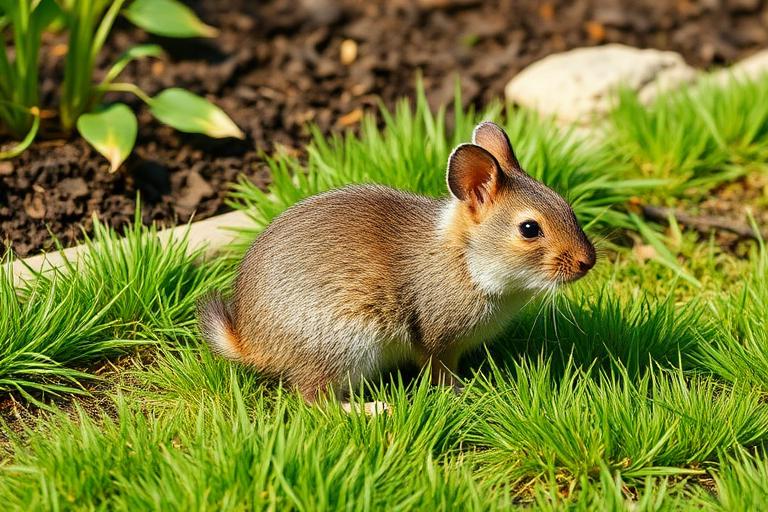
Gophers create extensive, visible soil mounds and tunnels, while voles create narrow surface runways through vegetation and small, inconspicuous burrow entrances without large mounds.
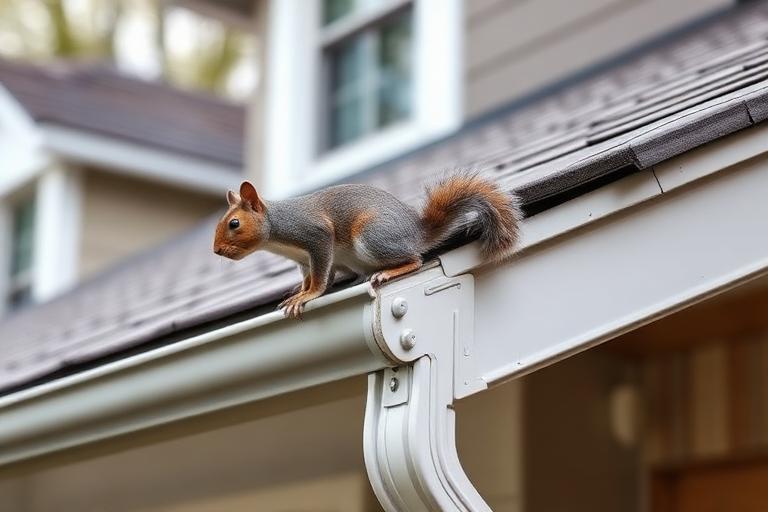
Gophers rarely leave their burrows and do not sit upright to feed; ground squirrels are frequently seen above ground, often foraging and sitting erect at burrow entrances.
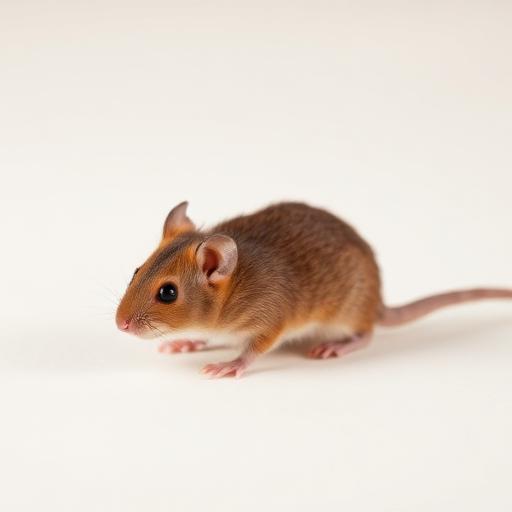
Gophers are solitary, create distinct soil mounds, and remain largely subterranean; rats are often seen above ground, create small burrows, and are typically social.
Regional differences across the U.S.
Pocket gophers (family Geomyidae) exhibit significant regional variation. The Plains pocket gopher (Geomys bursarius) is prevalent in the central US, from the Dakotas to Texas, preferring loamy soils. The Botta's pocket gopher (Thomomys bottae) dominates the western US, including California, Arizona, and Utah, adapting to diverse soil types and elevations. Northern pocket gophers (Thomomys talpoides) are found in the Pacific Northwest and northern Rocky Mountains, often in drier, more arid landscapes. Seasonal activity varies; in warmer southern states, gophers can be active year-round, while in northern regions, their surface activity might decrease during winter, though they remain active underground. Irrigated agricultural areas and lush suburban lawns in arid regions (e.g., California, Arizona) face higher risk due to consistent food and moisture availability, regardless of species.
Life cycle and timing that changes treatment
Gophers typically produce 1-3 litters per year, with peak breeding in spring and early summer. Gestation is about 18-19 days, with young weaned within 40 days. They reach sexual maturity in about one year. Gophers are solitary and live for 1-3 years. Control efforts are most effective when gophers are actively tunneling and foraging, typically in spring and fall, before peak breeding or when young are still dependent on the mother.
How to inspect for gophers, step by step
- 1
Locate fresh gopher mounds: Identify recently created, crescent-shaped mounds with a plugged opening, indicating current activity. These are prime locations for trap or bait placement.
- 2
Probe for tunnels: Use a gopher probe or a stout rod to locate the main runway, typically 6-12 inches deep, by feeling for a sudden drop or lack of resistance near fresh mounds.
- 3
Observe plant damage: Check for plants being pulled underground from their roots, especially in gardens or orchards, indicating active gopher feeding in the immediate vicinity.
- 4
Examine tree bases: Inspect the base of young trees and shrubs for girdling or root damage, which can be a sign of gopher activity in landscapes and nurseries.
Treatment decision tree
| If you find this | Do this next |
|---|---|
| You observe a single, fresh crescent-shaped gopher mound in a small, isolated lawn. | This indicates a localized infestation. Focus initial control efforts on placing a single specialized gopher trap (e.g., Macabee, Cinch, or scissor-type trap) in the main tunnel near the active mound. |
| Multiple fresh gopher mounds appear across various sections of a small residential yard or garden. | This suggests an established presence. Implement a coordinated trapping strategy using multiple traps (2-3) placed in active runways of different mound systems. Consider non-toxic burrow fumigants if trapping is insufficient. |
| Extensive gopher activity is noted across a large property, such as an orchard, pasture, or multiple garden beds, with numerous fresh mounds. | This indicates a widespread population requiring aggressive management. Combine trapping with approved rodenticide baits (e.g., strychnine or zinc phosphide, restricted for residential use in some areas) applied directly into main tunnels, following label directions precisely. |
| Gopher activity persists despite consistent trapping and baiting efforts, or if damage to critical infrastructure (e.g., irrigation lines, foundation) is observed. | This indicates a resilient population or complex burrow system. Professional intervention is warranted for specialized equipment like carbon monoxide applicators or systemic baiting programs. |
| Damage to mature trees or structural elements is severe, or gophers are undermining a foundation, threatening property integrity. | This represents a critical situation. Immediately contact a licensed pest control professional specializing in wildlife management or a structural engineer to assess and mitigate the damage, as immediate intervention is crucial. |
Where DIY runs out of road
- • Over-the-counter granular repellents are largely ineffective; gophers are motivated by food, and these products do not create a sufficient deterrent barrier in their extensive burrow systems.
- • Amateur attempts at flooding burrows often fail; gopher burrows can extend hundreds of feet with multiple escape routes, and soil absorption prevents effective saturation.
- • Using unregistered or homemade devices, such as exhaust fumes from vehicles, is illegal, dangerous, and typically ineffective, potentially leading to carbon monoxide poisoning or explosion hazards.
When to call a professional
- • If extensive gopher damage threatens property structures, such as foundations or critical irrigation systems.
- • When recurrent gopher activity persists despite diligent application of appropriate DIY methods for several weeks.
- • For widespread infestations over large areas, such as acreage, agricultural fields, or commercial properties.
Safety and legal limits
Always read and strictly follow all product labels for any gopher control method. Many rodenticides are Restricted Use Pesticides, meaning they require a license to purchase and apply, and can be highly toxic to non-target wildlife, pets, and humans if misused. Strychnine baits are particularly hazardous. Burrow fumigants, often containing aluminum phosphide, produce toxic gases when exposed to moisture and require specific training and personal protective equipment to prevent serious injury or death. Always ensure children and pets cannot access treated areas. Protected species, like the pocket gopher in some areas (e.g., some subspecies in California), may be subject to specific regulations, requiring consultation with local wildlife authorities before control measures are initiated.
Gophers questions homeowners ask
How do I tell gopher mounds from mole mounds?
Gopher mounds are fan or crescent shaped with an off-center plugged hole; mole mounds are round and symmetrical.
Gopher control by city
Local technicians handle gophers in every market below — pick your city for neighborhood coverage, seasonal notes and a free quote.
Related wildlife pests
Sources and further reading
Guidance on this page is compiled from EPA, CDC and land-grant university extension IPM publications, which are linked in the sources section. It is general information, not a diagnosis or a treatment recommendation for your property.
- Rabies and wild animals — U.S. Centers for Disease Control and Prevention
- Migratory Bird Treaty Act protected species list — U.S. Fish and Wildlife Service
- Integrated Pest Management (IPM) principles — U.S. Environmental Protection Agency
- Safe pest control in and around the home — U.S. Environmental Protection Agency