Wildlife
Opossums: identification & opossum removal
Opossums den under decks, sheds and crawl spaces and leave behind odor and droppings. We remove them humanely, install exclusion barriers and sanitize the denning area.
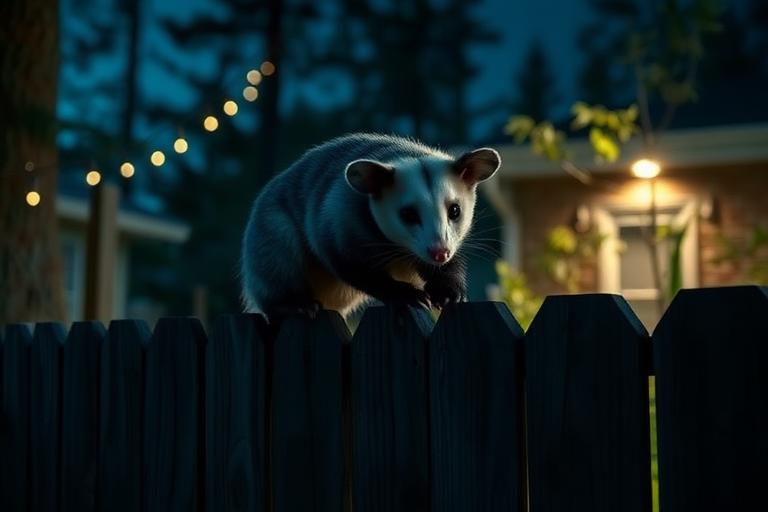
How to identify opossums
- What it looks like
- Cat-sized marsupial with coarse gray fur, a white pointed face and a hairless rat-like tail.
- Size
- 10 to 14 pounds
- Where you'll find it
- Under decks, sheds, crawl spaces, garages and brush piles.
- Commonly confused with
- Raccoons have a masked face and ringed tail.
Signs of opossums in your home
- Large droppings near a den entry
- Foul smell under the deck
- Slow-moving animal seen at night
- Disturbed pet food
Is it really opossums? Side-by-side comparisons
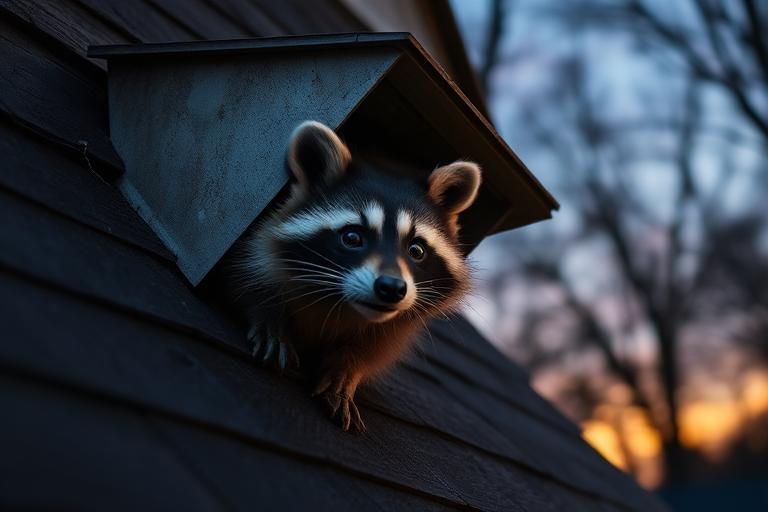
Opossums have a white, pointed face and a scaly, hairless tail; raccoons have a distinctive black 'mask' and a ringed, bushy tail.
Opossums move with a distinctive waddling gait and their fur is coarse and grayish, lacking the sleekness of most domestic cats.
Groundhogs are stockier, have shorter, bushy tails, and primarily forage during the day; opossums are mostly nocturnal with a long, rat-like tail.
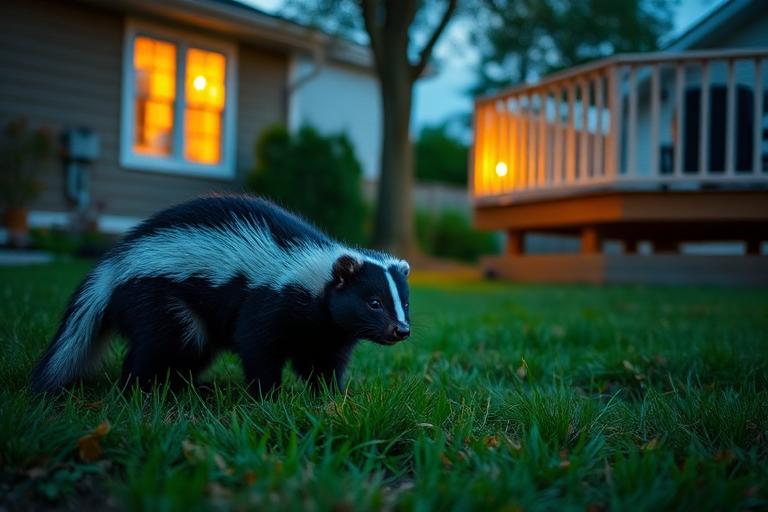
Opossums lack the prominent white stripe(s) and characteristic odor of skunks, and their facial structure is distinctly different.
Regional differences across the U.S.
The Virginia Opossum (Didelphis virginiana) is the sole species in North America, found throughout the eastern, central, and Pacific coastal United States. In colder northern states like Minnesota or Wisconsin, opossums may experience frostbite on ears and tails due to cold exposure. Southern states such as Florida or Texas see longer breeding seasons due to warmer climates, potentially leading to more litters annually and increased population density. Drought conditions in the Southwest (e.g., Arizona, California) can drive opossums closer to human habitation in search of water and food. Conversely, areas with abundant natural water sources and cover, like the Pacific Northwest or the humid Southeast, provide ideal habitats, increasing their presence in suburban landscapes.
Life cycle and timing that changes treatment
Opossums typically have one to three litters per year, with a gestation period of only 12-14 days. Young, called joeys, are born undeveloped and crawl into the mother's pouch where they nurse for 50-65 days. They then remain with the mother for several more weeks before becoming independent at about 3-4 months old. The breeding season generally runs from January/February through October, with peak activity in spring and early summer. Control efforts are often most effective before young become independent.
How to inspect for opossums, step by step
- 1
Look for disturbed insulation or droppings (similar to a small dog's, but twisted) in attics and crawl spaces using a bright flashlight at a low angle.
- 2
Examine deck perimeters and shed foundations for excavated burrows, especially where skirting meets the ground, indicating denning sites.
- 3
Check for damage to outdoor garbage cans, compost bins, and pet food dishes, as opossums are opportunistic scavengers.
- 4
Inspect underneath dense brush piles and overgrown vegetation for signs of bedding material or flattened paths, suggesting shelter.
Treatment decision tree
| If you find this | Do this next |
|---|---|
| You observe an opossum foraging in your yard at night but no structural damage. | Remove all outdoor food sources, secure garbage cans, and ensure pet food is brought indoors. Monitor for continued presence. |
| You find evidence of opossums under a shed or deck, but no direct entry into your home. | Initiate exclusion tactics, such as installing a galvanized wire mesh barrier (e.g., 1/4 or 1/2 inch hardware cloth) around the perimeter, buried 6-12 inches deep. |
| An opossum is repeatedly accessing an attic or crawl space, but no active den is confirmed. | Seal potential entry points (e.g., gaps in eaves, uncapped chimneys) with appropriate materials like heavy gauge wire mesh or sheet metal after ensuring the animal is out. |
| You confirm an active opossum den within a structure (e.g., under a deck, in an attic) with young present. | Implement a one-way door exclusion device. This allows the opossum(s) to exit but prevents re-entry, typically allowing young to follow their mother out. |
| You find an opossum trapped inside a living space or suspect a sick/injured animal. | Do not approach. Immediately contact your local animal control or a licensed wildlife rehabilitator for safe removal and assessment. |
Where DIY runs out of road
- • Over-the-counter repellents often lack efficacy against determined opossums and rarely provide lasting relief, as they primarily rely on scent or taste aversions.
- • Attempting to trap opossums without proper knowledge can lead to injury to the animal or yourself, or result in illegal relocation in some jurisdictions.
- • Improperly sealed exclusion points, such as using lightweight materials or not burying barriers, will be quickly breached by opossums, worsening the problem by allowing re-entry.
When to call a professional
- • Suspected rabid, injured, or otherwise sick opossum. Do not approach.
- • Opossum denning with young inside an occupied structure (attic, wall void).
- • Persistent opossum presence despite diligent sanitation and exclusion efforts.
Safety and legal limits
Opossums are generally docile but can bite if cornered or protecting young. They have a natural immunity to rabies, but it's still possible, though rare, for them to carry the virus. Always maintain a safe distance and never handle an opossum directly. In many states, opossums are considered nuisance wildlife; however, laws regarding trapping, relocation, and euthanasia vary by state and sometimes by county. It is illegal to relocate wildlife to another property without proper permits in many areas. When installing exclusion barriers, wear thick gloves to prevent cuts from wire mesh and ensure all work is done in daylight to avoid startling nocturnal animals.
Opossums questions homeowners ask
Are opossums dangerous?
They rarely attack and usually play dead, but they can carry fleas and leave contaminated droppings.
Opossum removal by city
Local technicians handle opossums in every market below — pick your city for neighborhood coverage, seasonal notes and a free quote.
Related wildlife pests
Sources and further reading
Guidance on this page is compiled from EPA, CDC and land-grant university extension IPM publications, which are linked in the sources section. It is general information, not a diagnosis or a treatment recommendation for your property.
- Rabies and wild animals — U.S. Centers for Disease Control and Prevention
- Migratory Bird Treaty Act protected species list — U.S. Fish and Wildlife Service
- Integrated Pest Management (IPM) principles — U.S. Environmental Protection Agency
- Safe pest control in and around the home — U.S. Environmental Protection Agency