Wildlife
Attic restoration: identification & attic restoration & cleanup
Rodent and wildlife droppings soak into insulation and leave pheromone trails that attract more animals. We remove contaminated material, sanitize, deodorize and re-insulate to restore R-value.
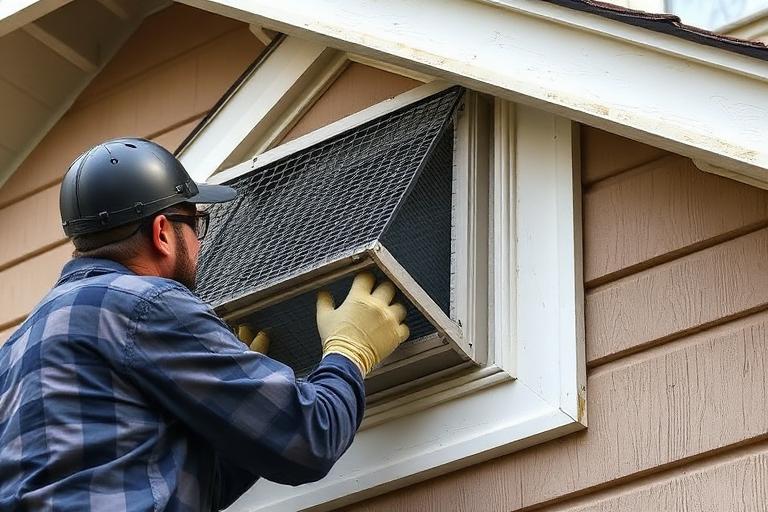
How to identify attic restoration
- What it looks like
- Not a pest — cleanup service following a rodent or wildlife infestation.
- Where you'll find it
- Attics, crawl spaces and wall voids after rodent, bat or raccoon activity.
Signs of attic restoration in your home
- Droppings throughout insulation
- Persistent ammonia or musty odor
- Matted, tunneled insulation
- Recurring rodent activity
Is it really attic restoration? Side-by-side comparisons
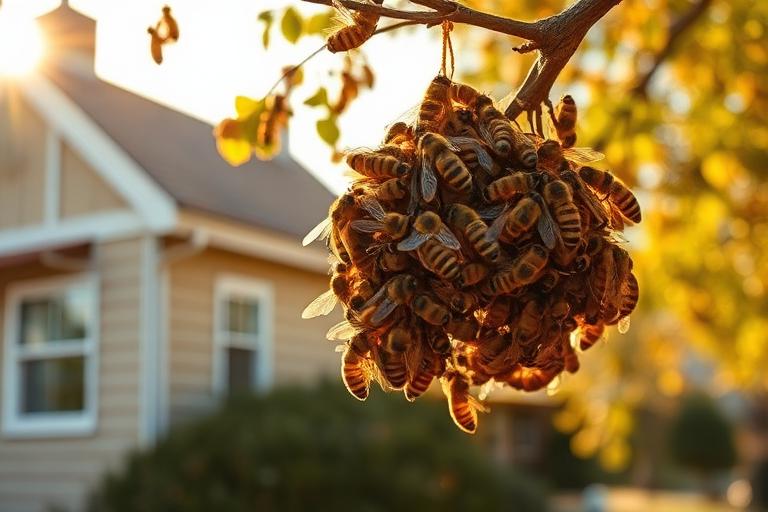
Ongoing droppings, fresh gnaw marks, or active entry points indicate current infestation, not just a cleanup need.
Fecal matter, urine stains, or persistent odors require biohazard cleanup beyond mere insulation R-value restoration.
Evidence of droppings or nesting within ducts signals a more complex cleanup involving specialized HVAC sanitation.
Chewed electrical wires or compromised framing indicates construction repair is needed, not just attic restoration.
Regional differences across the U.S.
Attic restoration needs vary significantly by US region due to differing wildlife. In the Northeast (e.g., Massachusetts, New York), raccoons and squirrels are common culprits, often exploiting older construction and harsh winters for shelter. Pacific Northwest (e.g., Oregon, Washington) frequently sees issues from Douglas squirrels and raccoons, exacerbated by damp climates that promote mold growth in soiled insulation. Southwestern states (e.g., Arizona, California) encounter roof rats and occasionally bats, with dry conditions leading to dust-borne pathogens. Southeastern states (e.g., Florida, Georgia) experience issues with opossums and raccoons, with high humidity accelerating decomposition and odor issues. Seasonal timing also shifts; colder regions see peak activity in fall/winter, while warmer climates have more year-round pressure.
Life cycle and timing that changes treatment
As 'attic restoration' is a service following a wildlife infestation, it has no biological life cycle. The relevant timing is dictated by the infesting animal's life cycle. For instance, raccoons typically breed in late winter/early spring, leading to increased activity and potential attic denning in spring and summer. Rodents like roof rats breed year-round, but populations peak in fall, increasing attic damage. Cleanup should ideally occur after the wildlife has been humanely excluded.
How to inspect for attic restoration, step by step
- 1
Using a bright flashlight, scan insulation for matted areas, urine stains, and visible droppings, especially near eaves and vent pipes.
- 2
Examine accessible ductwork for gnaw marks or nesting materials, paying close attention to flexible dryer vents.
- 3
Utilize a moisture meter to assess insulation in soiled areas for elevated readings, indicating urine saturation or water damage from entry points.
- 4
Inspect the attic perimeter for compromised vapor barriers or chewed wiring, indicating electrical hazards or compromised energy efficiency.
Treatment decision tree
| If you find this | Do this next |
|---|---|
| You notice isolated droppings and no active wildlife activity. | This indicates a past, minor intrusion. Carefully remove droppings using gloves and a respirator; seal the entry point. |
| You observe significant soiled insulation in a small area (e.g., 20 sq ft) with no active infestation. | This suggests a localized, past issue. DIY cleanup with proper PPE and targeted insulation removal may be feasible. |
| You detect persistent odors or scattered droppings over a larger area (e.g., half the attic), with no current wildlife. | This indicates widespread contamination. A professional assessment is recommended for comprehensive cleaning and air quality remediation. |
| You find widespread contamination, significant structural damage, or evidence of bat/raccoon activity. | This necessitates professional biohazard cleanup, structural repairs, and specialized equipment for safe and thorough restoration. |
| You identify active wildlife, especially bats or raccoons, alongside extensive attic damage. | Immediately contact a licensed wildlife control operator for humane removal and exclusion before any restoration work begins. |
Where DIY runs out of road
- • Over-the-counter disinfectants lack the efficacy for biohazard remediation; improper cleanup can leave behind pathogens and odors.
- • DIY insulation removal often spreads contaminated dust throughout the home, increasing exposure risk to hantavirus or leptospirosis.
- • Without professional equipment like HEPA vacuums and air scrubbers, DIY attempts commonly fail to eliminate odors, leading to persistent issues.
When to call a professional
- • Extensive fecal contamination, especially from raccoons (roundworm risk) or rodents (hantavirus risk).
- • Evidence of compromised structural integrity or chewed electrical wiring requiring specialized repair.
- • Presence of strong, persistent odors after wildlife exclusion, indicating deep contamination.
Safety and legal limits
Attic restoration can involve significant health risks. Always wear appropriate personal protective equipment (PPE), including a NIOSH-approved respirator (N95 or better), eye protection, and disposable gloves. Disturbing rodent droppings or nesting material can aerosolize pathogens like Hantavirus, while bat guano carries the risk of Histoplasmosis. Raccoon feces may contain Baylisascaris procyonis eggs, a parasitic roundworm highly dangerous to humans. Never handle dead animals without heavy-duty gloves. Ensure proper ventilation. Legal limits often apply to wildlife removal; for instance, bats are protected in many states and require specialized, licensed exclusion. Professional remediation ensures proper disposal of biohazardous waste and adherence to safety protocols, protecting occupants from long-term health hazards.
Attic restoration questions homeowners ask
Do I need to replace insulation after rodents?
If droppings and urine are widespread, yes — contaminated insulation loses R-value and keeps attracting new rodents.
Attic restoration & cleanup by city
Local technicians handle attic restoration in every market below — pick your city for neighborhood coverage, seasonal notes and a free quote.
Related wildlife pests
Sources and further reading
Guidance on this page is compiled from EPA, CDC and land-grant university extension IPM publications, which are linked in the sources section. It is general information, not a diagnosis or a treatment recommendation for your property.
- Rabies and wild animals — U.S. Centers for Disease Control and Prevention
- Migratory Bird Treaty Act protected species list — U.S. Fish and Wildlife Service
- Integrated Pest Management (IPM) principles — U.S. Environmental Protection Agency
- Safe pest control in and around the home — U.S. Environmental Protection Agency