
Biting pests
Fleas: identification & flea control
Only a fraction of a flea population is on the pet — the rest are eggs, larvae and pupae in carpet and bedding. Treatment combines an IGR-based interior service, yard treatment and coordinated pet care.
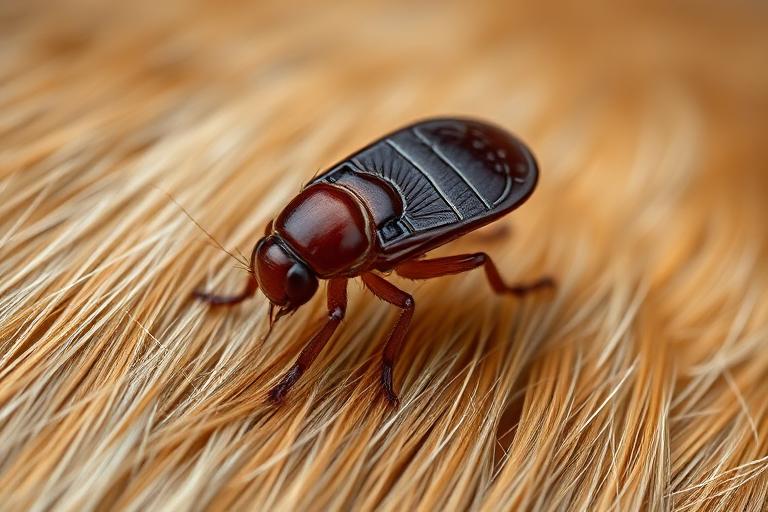
How to identify fleas
- What it looks like
- Tiny wingless dark reddish-brown insects, flattened side to side, with powerful jumping legs.
- Size
- 1/12 to 1/6 inch
- Where you'll find it
- Carpet, pet bedding, upholstery, baseboards, crawl spaces and shaded yard areas.
- Commonly confused with
- Springtails jump but do not bite; bed bugs do not jump.
Signs of fleas in your home
- Pets scratching
- Black pepper-like flea dirt that turns red when wet
- Bites around ankles
- Jumping specks on socks
Is it really fleas? Side-by-side comparisons
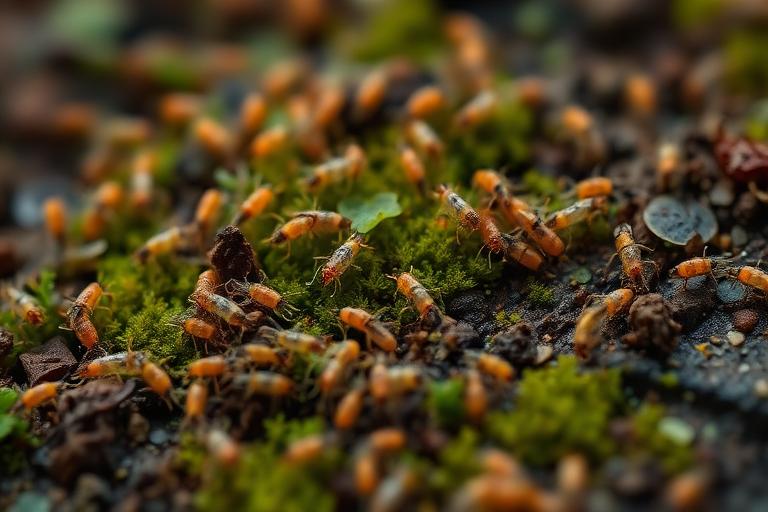
Springtails are typically found in moist environments and do not bite; fleas actively seek blood meals and jump onto hosts.
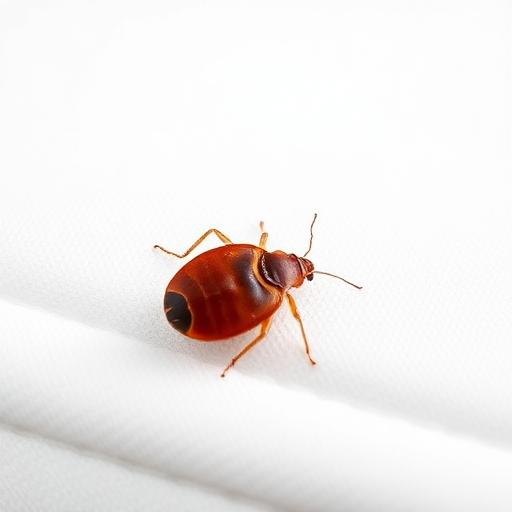
Bed bugs are broader, flatter top-to-bottom, do not jump, and typically aggregate in mattress seams or furniture cracks.
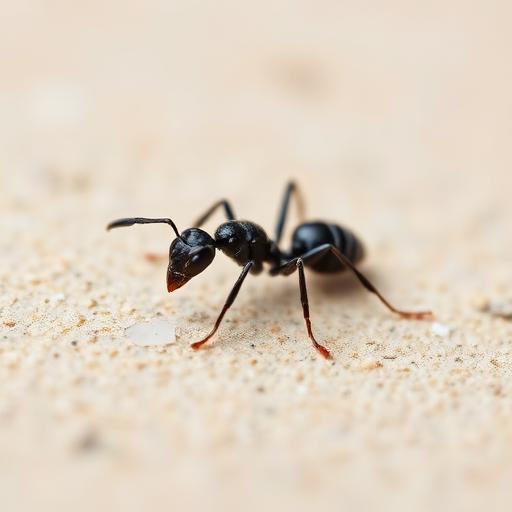
Lice are wingless but much slower, don't jump, and are typically found clinging to hair or feathers of a specific host species.
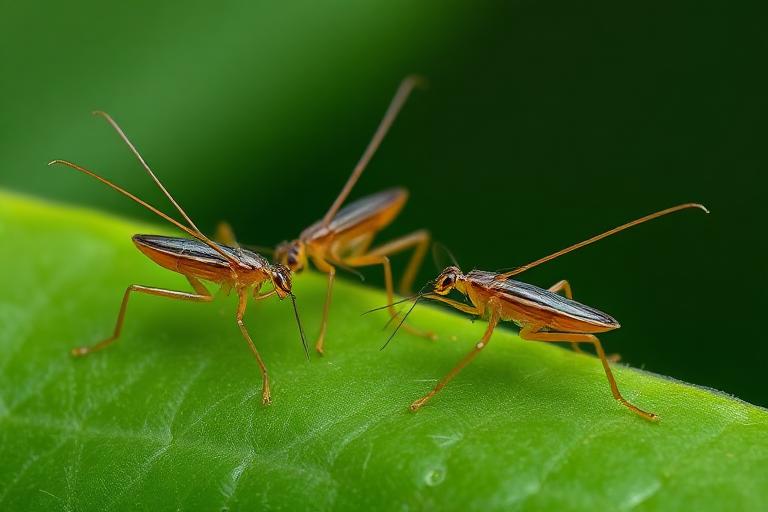
Psocids are very small, soft-bodied, often pale, and feed on mold or starches; they do not bite and lack powerful jumping legs.
Regional differences across the U.S.
The cat flea (Ctenocephalides felis) is the predominant species across the entire US, thriving in warm, humid environments common in the South (e.g., Florida, Gulf Coast states) but present nationwide. Cooler northern states, like Michigan or Maine, typically see flea populations peak in late summer and fall, as conditions become more favorable indoors. In contrast, southern states may experience year-round pressure with higher peaks during summer. Construction factors like accessible crawl spaces in many older homes, particularly in the Southeast, can create ideal harborage for fleas, especially if wildlife or stray animals frequent these areas. Drought conditions in Western states can push fleas into irrigated landscapes and homes seeking moisture, while consistently damp climates in the Pacific Northwest support robust outdoor populations.
Life cycle and timing that changes treatment
The cat flea undergoes complete metamorphosis: egg, larva, pupa, and adult. The entire cycle can be completed in as little as 14 days under optimal conditions (70-85°F, 70% humidity), but typically takes 3-4 weeks. Adults can live for several weeks, laying up to 50 eggs daily. The pupal stage is the most resilient, potentially overwintering for several months and triggered to emerge by vibrations, warmth, and exhaled CO2, making control challenging.
How to inspect for fleas, step by step
- 1
Use a flashlight and white socks: walk through carpeted areas. Fleas will jump onto the socks. Also, check pet bedding thoroughly for flea dirt.
- 2
Perform the 'white paper test': place a white paper towel under your pet while grooming. Black specks (flea dirt) that turn reddish-brown when wet indicate flea feces.
- 3
Examine baseboards and low-lying upholstery seams in pet resting areas. Use a magnifying glass to spot tiny, fast-moving insects or flea eggs/larvae.
- 4
Inspect shaded, moist outdoor areas where pets frequent, such as under bushes, decks, or in crawl spaces, using a visual sweep for jumping activity.
Treatment decision tree
| If you find this | Do this next |
|---|---|
| You observe occasional flea bites or see one or two fleas on a pet. | Initiate regular pet flea treatments with an insect growth regulator (IGR) and adulticide, and thorough vacuuming of indoor areas. |
| Fleas are consistently found on pets and occasional bites occur indoors. | Implement a comprehensive treatment: consistent pet treatment, indoor residual spray with IGR and adulticide, and meticulous vacuuming. |
| Multiple fleas are seen jumping on furniture, carpet, or human ankles. | Treat the entire home with an IGR plus a non-repellent adulticide, and treat the pet's immediate outdoor environment with appropriate products. |
| Pets are heavily infested, and widespread biting is occurring on humans. | Aggressively treat all pets, apply an interior broadcast application of an IGR and a pyrethroid/neonicotinoid adulticide, and consider exterior perimeter treatments. |
| Despite DIY efforts, infestations persist or worsen significantly. | This indicates a severe, established infestation likely requiring professional pest control for effective eradication, especially if pupae are repeatedly emerging. |
Where DIY runs out of road
- • Over-the-counter flea bombs or foggers often fail to penetrate deep into carpets or upholstery, leaving many larvae and pupae untreated, leading to rapid re-infestation.
- • Spot treatments with pet-store products may not contain insect growth regulators (IGRs) necessary to break the flea life cycle, only killing adult fleas temporarily.
- • Relying solely on topical pet treatments without addressing environmental infestations indoors and outdoors will result in continued flea pressure and an inability to achieve control.
When to call a professional
- • Infestation persists or rapidly re-emerges despite consistent and proper DIY treatments for 4-6 weeks.
- • Allergic reactions or secondary skin infections develop from severe flea bites, indicating a high-density infestation.
- • The infestation source is inaccessible (e.g., crawl spaces, attics with wildlife) or too extensive for homeowner treatment.
Safety and legal limits
Always read and strictly follow all pesticide label instructions; it is a federal offense to use these products in a manner inconsistent with their labeling. Some professional-grade products, like certain restricted-use termiticides or concentrated insecticides, are not available to the general public due to toxicity and application complexity. Ensure proper ventilation when applying any pesticides. Keep children and pets out of treated areas until sprays have dried, typically several hours. Use personal protective equipment (PPE) as directed, including gloves, long sleeves, and a respirator if specified, to prevent inhalation or skin exposure. Store pesticides in their original containers, out of reach of children and pets, in a cool, dry, well-ventilated area.
Fleas questions homeowners ask
How do I know if I have fleas?
Comb your pet over white paper — dark specks that turn rust-red when moistened are flea dirt.
Why do fleas come back after treatment?
Pupae are protected from insecticides and hatch over several weeks; vacuuming and a follow-up service are essential.
Flea control by city
Local technicians handle fleas in every market below — pick your city for neighborhood coverage, seasonal notes and a free quote.
Related biting pests pests
Sources and further reading
Guidance on this page is compiled from EPA, CDC and land-grant university extension IPM publications, which are linked in the sources section. It is general information, not a diagnosis or a treatment recommendation for your property.
- Fleas and flea-borne disease — U.S. Centers for Disease Control and Prevention
- Pest Notes: home and landscape pests — University of California Statewide IPM Program
- Integrated Pest Management (IPM) principles — U.S. Environmental Protection Agency
- Safe pest control in and around the home — U.S. Environmental Protection Agency