
Biting pests
Chiggers: identification & chigger control
Also known as: red bugs, harvest mites
Chigger larvae wait in tall grass and brush and cause clusters of intense itching around waistbands and ankles. We treat brushy edges and shaded turf, and recommend mowing and clearing to break the habitat.
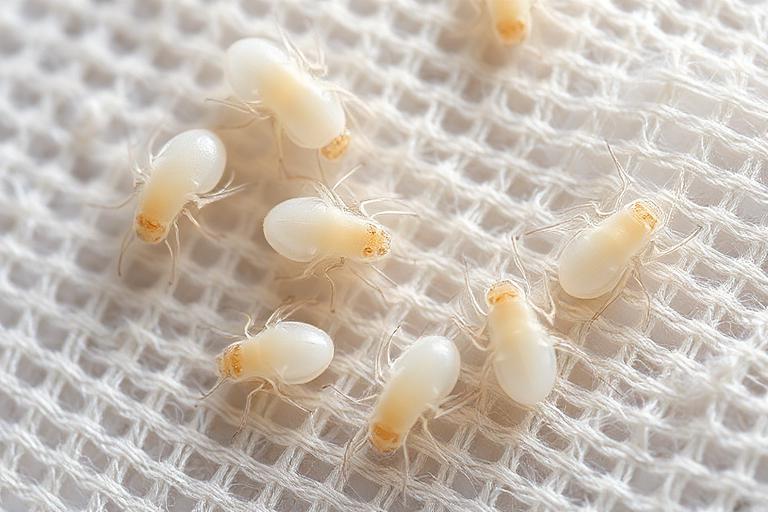
How to identify chiggers
- What it looks like
- Barely visible red-orange larval mites, smaller than a period.
- Size
- 1/150 inch
- Where you'll find it
- Tall grass, brushy edges, berry patches, shaded damp turf and wood lines.
- Commonly confused with
- Flea and mosquito bites are more isolated; chigger bites cluster where clothing is tight.
Signs of chiggers in your home
- Clusters of intensely itchy red welts around ankles and waist
- Itching starting hours after being outdoors
Is it really chiggers? Side-by-side comparisons
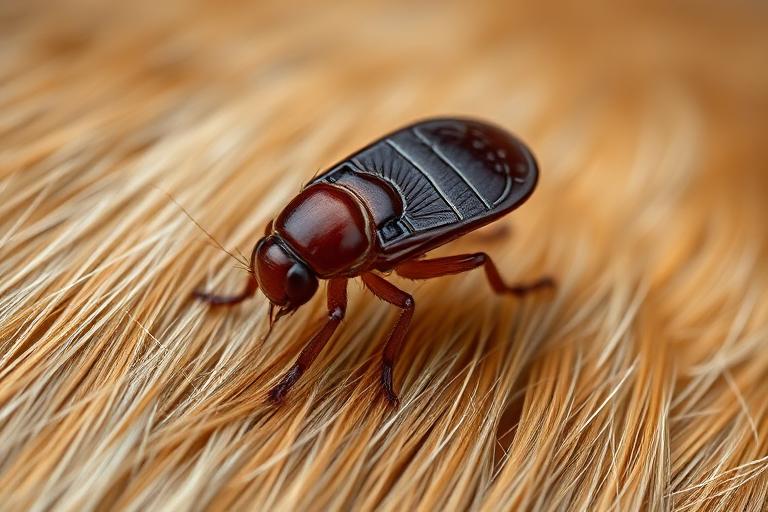
Chigger bites tend to cluster in areas where clothing is tight (waistband, sock lines), whereas flea bites are often more scattered, usually on ankles.
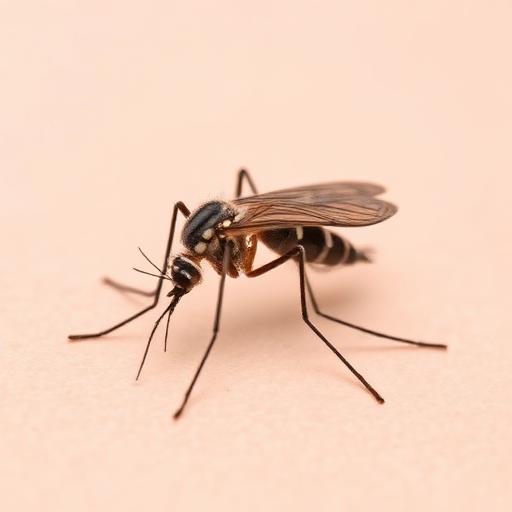
Mosquito bites typically appear as raised welts with a central puncture and are isolated, while chigger bites are intensely itchy red papules often in groups.
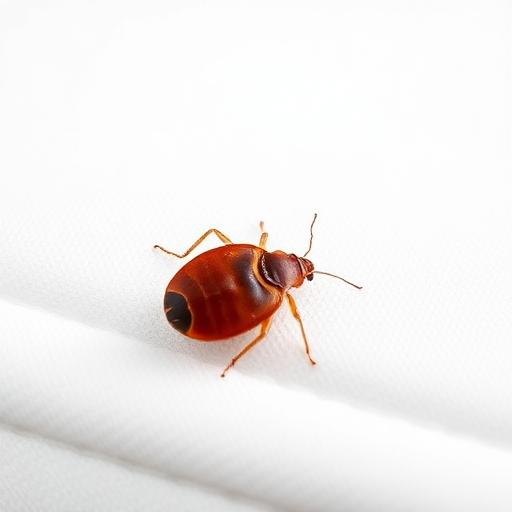
Bed bug bites often appear in a linear 'breakfast, lunch, dinner' pattern on exposed skin at night; chigger bites are from outdoor exposure and cluster under clothing.
Scabies mites burrow into the skin, causing persistent, spreading rashes and visible burrows; chiggers attach temporarily and cause localized, short-lived reactions.
Regional differences across the U.S.
The common chigger in the US is the larval stage of the mite, Trombicula alfreddugesi. In the Southeast (e.g., Georgia, Florida), chigger activity peaks from late spring through early fall, driven by warm, humid conditions. In the Midwest (e.g., Kansas, Missouri), populations are robust in summer, especially in overgrown fields and riparian zones. Arid Western states like Arizona have lower prevalence, but chiggers can be found in irrigated areas or during monsoon seasons. Cooler, northern states (e.g., Minnesota, Maine) see a shorter season, primarily in mid-summer. Construction near wooded areas or unmaintained lots significantly increases exposure risk in all regions.
Life cycle and timing that changes treatment
Chiggers have a four-stage life cycle: egg, larva, nymph, and adult. Only the larval stage is parasitic and feeds on vertebrates. Eggs hatch in spring, and larvae quest for hosts, feeding for 3-4 days. They then drop off, molting into a non-feeding nymph, then an adult. Adults overwinter in soil. The entire cycle can be completed in 30-55 days, leading to multiple generations per year in warmer climates.
How to inspect for chiggers, step by step
- 1
Carefully inspect skin and clothing immediately after being in tall grass or brushy areas, focusing on sock lines, waistbands, and armpits where chiggers aggregate.
- 2
Walk slowly through suspected chigger habitats (e.g., untrimmed lawns adjacent to woods) dragging a piece of dark fabric or cardboard; visible orange specks indicate chigger presence.
- 3
Examine shaded, damp areas along property lines, especially where turf transitions to natural vegetation, using a magnifying glass to spot tiny, slow-moving red mites on leaf litter or soil.
- 4
Check under deck perimeters and around outbuildings that border overgrown areas for accumulated leaf debris or dense vegetation, prime chigger harborage sites.
Treatment decision tree
| If you find this | Do this next |
|---|---|
| You have a few isolated, itchy red bumps after outdoor activity. | This is likely minor chigger exposure. Treat symptoms with anti-itch creams and consider personal repellents for future outdoor ventures. |
| You consistently get multiple clusters of intensely itchy bites after spending time in your yard. | Your property likely has an active chigger population. Focus on cultural control: mow lawns regularly and clear brush, especially at property edges. |
| Family members or pets frequently experience significant chigger infestations after being in specific areas of your yard. | Targeted insecticidal treatment of those specific areas (e.g., perimeter of yard bordering woods, tall grass) may be warranted. Use products containing permethrin or bifenthrin according to label. |
| Despite cultural controls and targeted DIY treatments, chigger infestations persist and are severe. | The infestation may be widespread or entrenched. Consider professional pest control for a comprehensive evaluation and broad-spectrum application. |
| Symptoms worsen, show signs of secondary infection (pus, fever), or do not respond to over-the-counter remedies. | Seek immediate medical attention. While not disease vectors, excessive scratching can lead to bacterial skin infections requiring antibiotic treatment. |
Where DIY runs out of road
- • Over-the-counter permethrin or bifenthrin sprays offer temporary suppression but do not address source populations if habitat modifications are neglected.
- • Applying repellents to skin protects only the treated areas; chiggers will still attach to untreated skin or crawl from untreated clothing to skin.
- • Home remedies like bleach or nail polish are ineffective, can cause skin irritation, and do not kill chiggers or prevent further bites, often worsening discomfort.
When to call a professional
- • Persistent chigger infestations despite consistent DIY efforts and habitat modification.
- • Large properties with extensive areas of unmanaged vegetation where chigger activity is high.
- • When a comprehensive assessment and application of appropriate insecticides is needed for broad-area control.
Safety and legal limits
Always read and strictly follow pesticide product labels; they are legal documents. Misuse can lead to ineffective control, environmental contamination, and health risks. Never apply restricted-use products unless you are a licensed applicator. When applying pesticides, ensure proper personal protective equipment (PPE) like gloves and eye protection. Keep children and pets away from treated areas until dry, as specified on the label, to prevent exposure. Focus on spot treatments where chiggers are known to be active rather than broadcast spraying unnecessarily. Choose products with low toxicity to non-target organisms and avoid spraying near water bodies. Improper use can lead to respiratory irritation or skin contact issues.
Chiggers questions homeowners ask
Do chiggers burrow under your skin?
No. They attach, inject digestive enzymes and drop off — the itchy welt is your reaction, not a burrowed mite.
Chigger control by city
Local technicians handle chiggers in every market below — pick your city for neighborhood coverage, seasonal notes and a free quote.
Related biting pests pests
Sources and further reading
Guidance on this page is compiled from EPA, CDC and land-grant university extension IPM publications, which are linked in the sources section. It is general information, not a diagnosis or a treatment recommendation for your property.
- Ticks: prevention and tickborne disease — U.S. Centers for Disease Control and Prevention
- Fleas and flea-borne disease — U.S. Centers for Disease Control and Prevention
- Integrated Pest Management (IPM) principles — U.S. Environmental Protection Agency
- Safe pest control in and around the home — U.S. Environmental Protection Agency