
Biting pests: types, identification & control
Bites alone rarely identify the pest — the pattern and location do. Bed bug bites appear in lines on skin exposed at night, flea bites cluster around ankles, chigger bites follow sock and waistband lines, and tick bites leave the tick attached. Use the guides below to match the bite pattern to the pest and see the treatment that clears it.
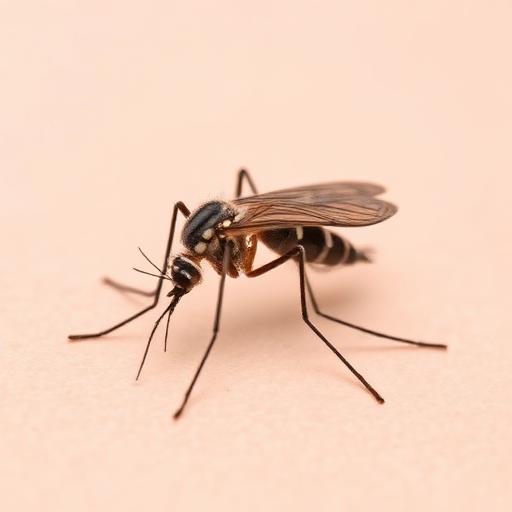
The 9 types of biting pests we treat
Mosquitoes
Yard treatments and breeding-site reduction for usable outdoor space.
Size: 1/8 to 3/8 inch
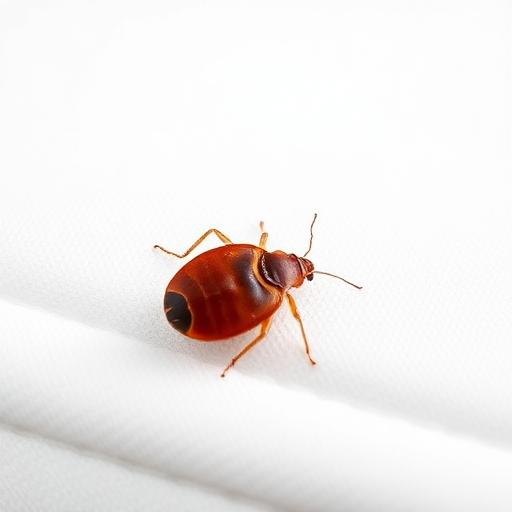
Bed bugs
Heat and chemical treatments with follow-up verification.
Size: 1/4 inch (apple seed size)
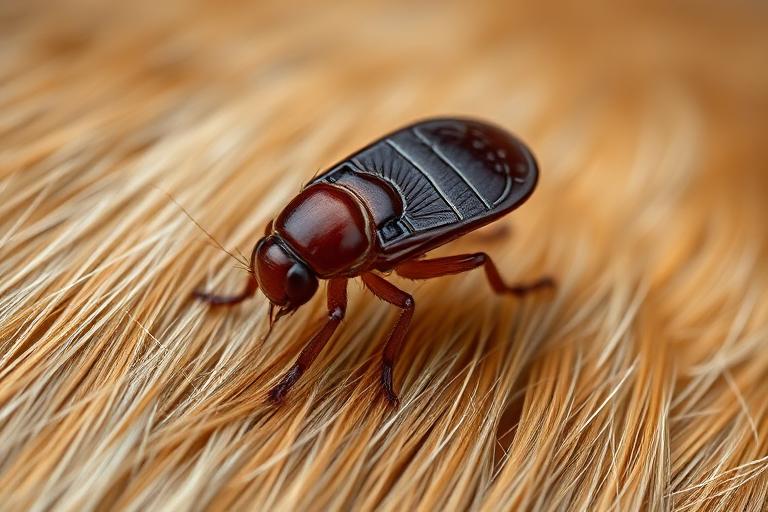
Fleas
Indoor and yard flea treatment with growth regulators.
Size: 1/12 to 1/6 inch
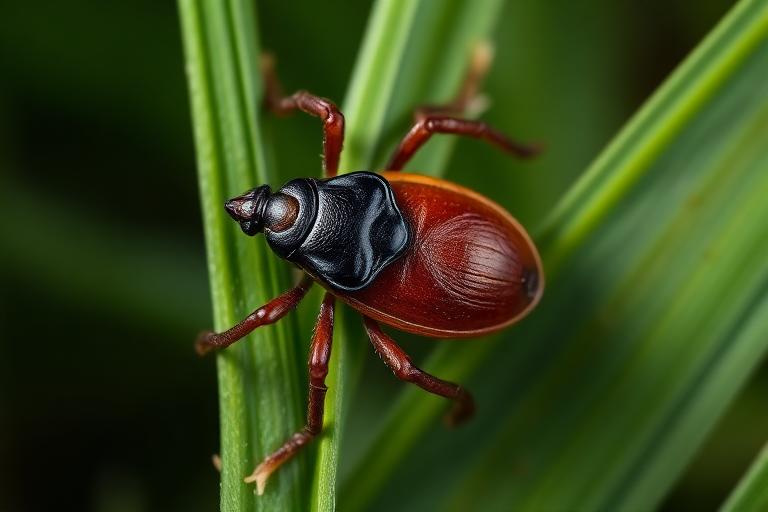
Ticks
Yard tick barriers for Lyme and other tick-borne disease risk.
Size: Poppy-seed to 1/4 inch
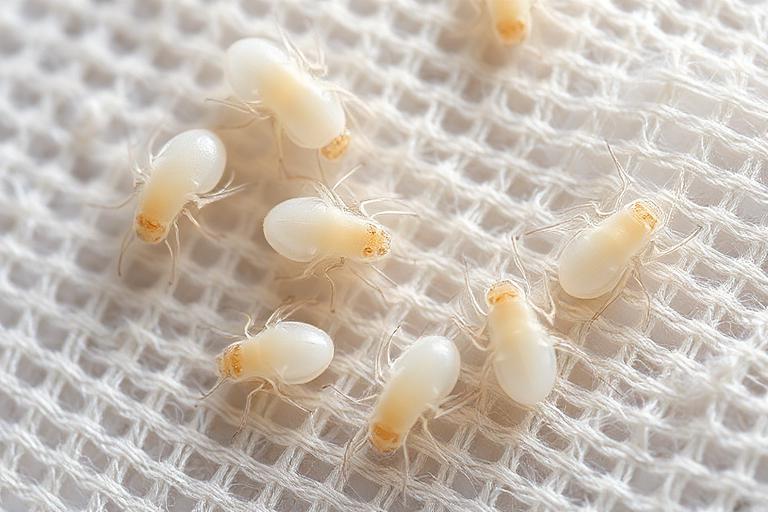
Mites
Bird, rodent, clover and dust mite identification and treatment.
Size: Less than 1/32 inch
Chiggers
Yard treatment for intensely itchy summer bites.
Size: 1/150 inch
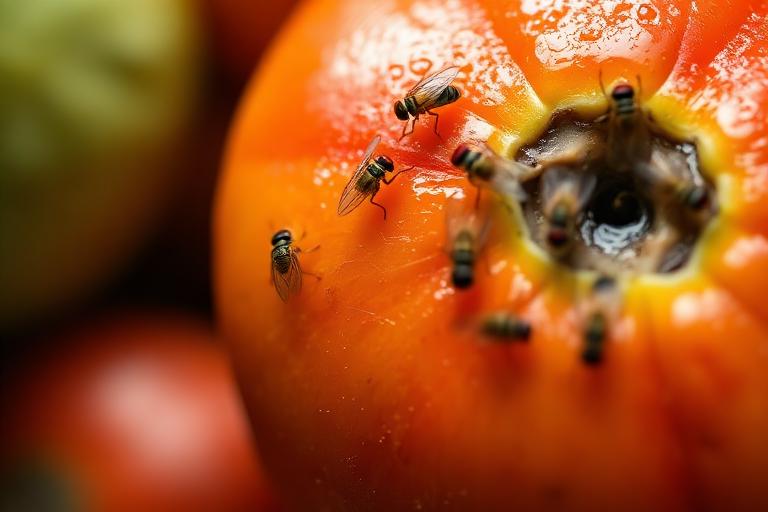
No-see-ums
Biting midges too small to see but painful at dusk.
Size: 1/32 to 1/8 inch
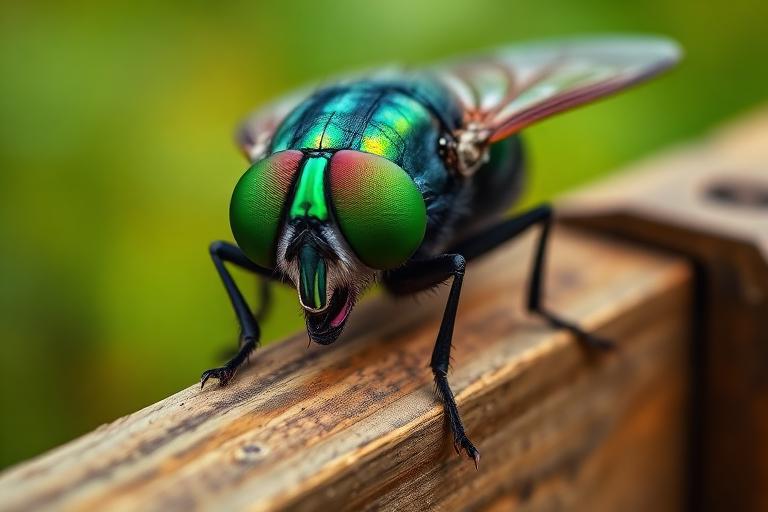
Horse flies & deer flies
Large painful biting flies around yards and water.
Size: 1/2 to 1.25 inches
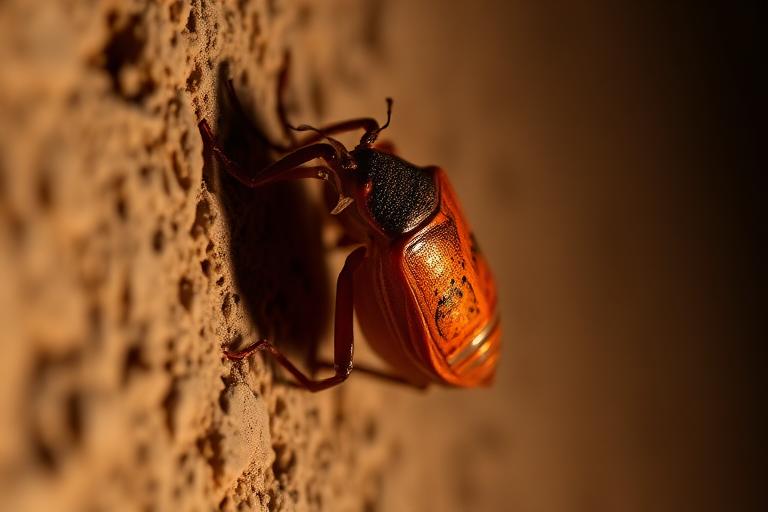
Kissing bugs
Cone-nosed bugs that bite at night and carry Chagas risk.
Size: 3/4 to 1.25 inches