
Biting pests
Bed bugs: identification & bed bug treatment
Bed bugs hide in seams, frames and baseboards, which is why over-the-counter sprays scatter them. We confirm the infestation, treat with heat and residual products, and re-inspect to verify every life stage is gone.
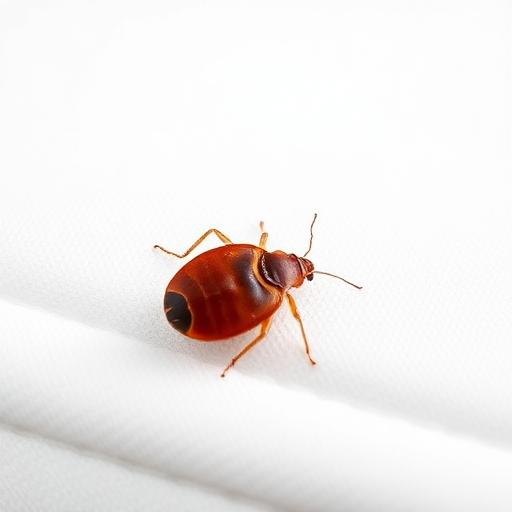
How to identify bed bugs
- What it looks like
- Flat, oval, reddish-brown insects that swell and darken after feeding; nymphs are translucent.
- Size
- 1/4 inch (apple seed size)
- Where you'll find it
- Mattress seams, box springs, headboards, nightstands, couch seams and baseboard cracks.
- Commonly confused with
- Bat bugs, carpet beetle larvae and young cockroaches are commonly mistaken for bed bugs.
Signs of bed bugs in your home
- Rust-colored spotting on sheets
- Clusters or lines of itchy bites
- Shed skins and pepper-like fecal specks
- Sweet musty odor
Is it really bed bugs? Side-by-side comparisons
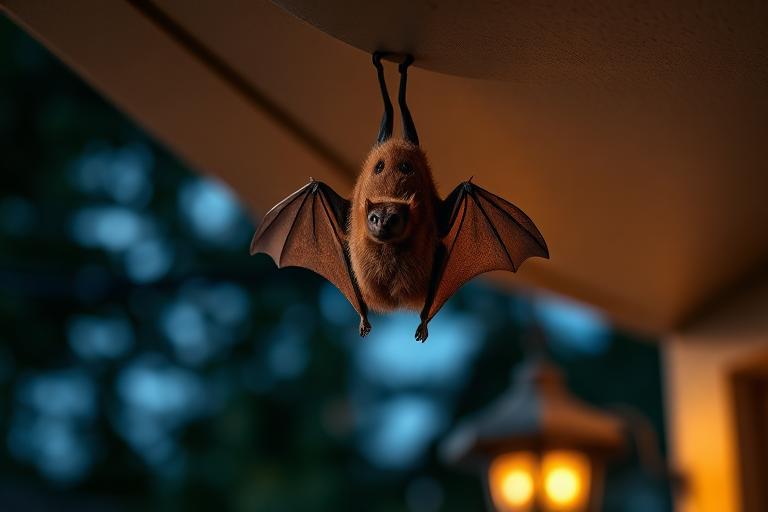
Examine the pronotum (area behind the head): bat bugs have longer, fringe-like hairs compared to the shorter, less prominent hairs of bed bugs.
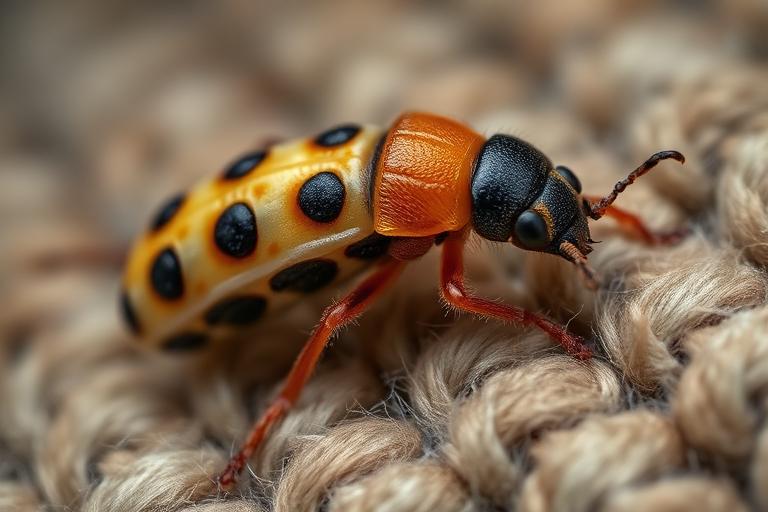
Carpet beetle larvae are fuzzy or bristly and move slowly, while bed bug nymphs and adults are smooth-bodied and move more rapidly.
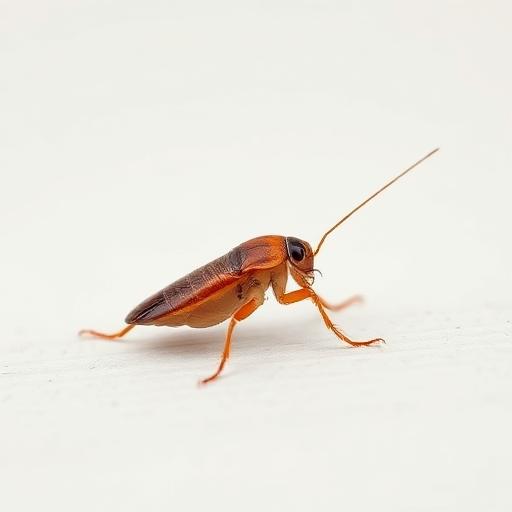
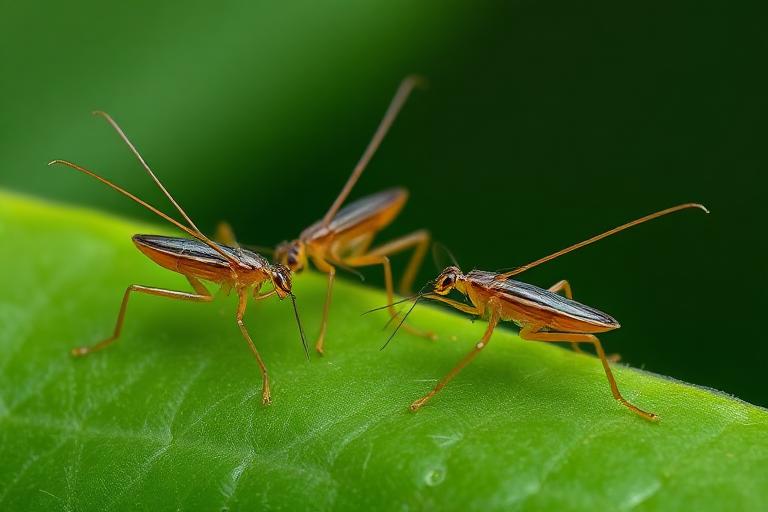
Cockroach nymphs are typically more elongated with antennae that are noticeably longer than their body; bed bugs are broadly oval and flattened.
Booklice are pale, soft-bodied, and very small (under 2mm), often found near moldy materials, distinctly different from reddish-brown, larger bed bugs.
Regional differences across the U.S.
The common bed bug, Cimex lectularius, is found throughout all 50 U.S. states. However, localized populations of the tropical bed bug, Cimex hemipterus, are occasionally reported in Florida and other Gulf Coast states. These species are morphologically similar and require microscopic examination for definitive identification. Infestation rates are generally higher in densely populated urban areas across all regions, such as New York City, Chicago, and Los Angeles, due to increased human movement. Seasonal differences in bed bug activity are minimal indoors, as their lifecycle is primarily driven by host availability and indoor temperatures. Construction factors, such as multi-unit dwellings with shared wall voids, increase the risk of bed bug spread between units in any region.
Life cycle and timing that changes treatment
Bed bugs undergo incomplete metamorphosis. Eggs hatch in 6-10 days into nymphs, which pass through five instars, each requiring a blood meal, typically maturing to adults in 21-60 days depending on temperature and food availability. Adults can live 6-12 months. Multiple generations per year are common in heated structures. They do not overwinter in a diapause state but can survive prolonged periods without feeding.
How to inspect for bed bugs, step by step
- 1
Use a flashlight and a credit card to meticulously inspect mattress seams, tufts, and piping. Pay close attention to the underside of the mattress.
- 2
Examine box springs by carefully lifting the dust cover and inspecting all wooden frame elements, especially in the corners and stapled fabric edges.
- 3
Inspect the headboard and bed frame, particularly cracks, crevices, screw holes, and joints, using a flashlight at a low angle to highlight fecal spots.
- 4
Carefully check nightstands and dressers, including drawers, their runners, and the undersides. Utilize glue monitors placed strategically to detect activity.
Treatment decision tree
| If you find this | Do this next |
|---|---|
| You observe 1-2 individual insects that resemble bed bugs, but no bites or fecal spots. | Collect the specimen for professional identification. Do not apply pesticides; misidentification can lead to ineffective treatments and spread. |
| You find a few fecal spots or shed skins on a mattress, but no live bugs. | Perform a thorough inspection of the bed area. If no live bugs are found, clean thoroughly and monitor with bed bug interceptors under bed legs. |
| You observe live bed bugs and fresh bites on one individual in one room. | Isolate the affected items. Contact a pest management professional for an inspection to confirm the infestation and determine its scope. |
| Multiple people report bites, and live bed bugs are found in multiple rooms. | This indicates a moderate to severe infestation. Professional intervention is required immediately; DIY efforts are unlikely to resolve this level of activity. |
| Live bed bugs are seen during the day, or large aggregations are found in obvious locations. | This signifies a heavy infestation. Prompt and comprehensive professional treatment using integrated pest management (IPM) strategies is essential for control. |
Where DIY runs out of road
- • Over-the-counter 'bug bombs' or foggers are ineffective against bed bugs and often scatter them into new harborage sites, making control more difficult.
- • DIY pesticide applications, especially with products not labeled for bed bugs, can lead to resistant populations and may pose health risks without proper knowledge.
- • Attempting to treat a widespread infestation with DIY methods rarely eliminates all life stages, leading to reinfestations and prolonged exposure.
When to call a professional
- • Any confirmed presence of bed bugs in a multi-unit dwelling requires professional assessment due to potential for spread.
- • If bed bugs are found in multiple rooms or there is evidence of a long-standing infestation.
- • When a confirmed bed bug infestation persists despite diligent non-chemical and targeted DIY efforts.
Safety and legal limits
Always read and follow pesticide labels precisely, as they are legal documents. Misuse of any product can lead to ineffective treatment and significant health hazards to humans and pets. "Restricted Use Products" are for licensed professionals only. When applying any pesticide, ensure proper ventilation, wear appropriate personal protective equipment (PPE), and keep children and pets away from treated areas until dry. Avoid direct contact with skin and eyes. Do not apply pesticides to surfaces that will come into direct contact with skin, such as mattress tops, unless specifically directed by the label for bed bug treatments. Consider non-chemical methods like heat treatment or encasements as primary strategies when possible to minimize chemical exposure.
Bed bugs questions homeowners ask
What do bed bug bites look like?
Small red itchy welts, often in a line or cluster on exposed skin, appearing overnight.
Can I get rid of bed bugs myself?
Rarely. DIY sprays repel them into new rooms; professional heat or a full residual program with follow-ups is what eliminates all life stages.
Bed bug treatment by city
Local technicians handle bed bugs in every market below — pick your city for neighborhood coverage, seasonal notes and a free quote.
Related biting pests pests
Sources and further reading
Guidance on this page is compiled from EPA, CDC and land-grant university extension IPM publications, which are linked in the sources section. It is general information, not a diagnosis or a treatment recommendation for your property.
- Ticks: prevention and tickborne disease — U.S. Centers for Disease Control and Prevention
- Fleas and flea-borne disease — U.S. Centers for Disease Control and Prevention
- Integrated Pest Management (IPM) principles — U.S. Environmental Protection Agency
- Safe pest control in and around the home — U.S. Environmental Protection Agency