Biting pests
No-see-ums: identification & no-see-um control
Also known as: biting midges, sand flies, punkies
Biting midges breed in wet sand, mud and marsh edges and pass through standard screens. We treat resting vegetation, reduce breeding moisture and recommend fine-mesh screening.
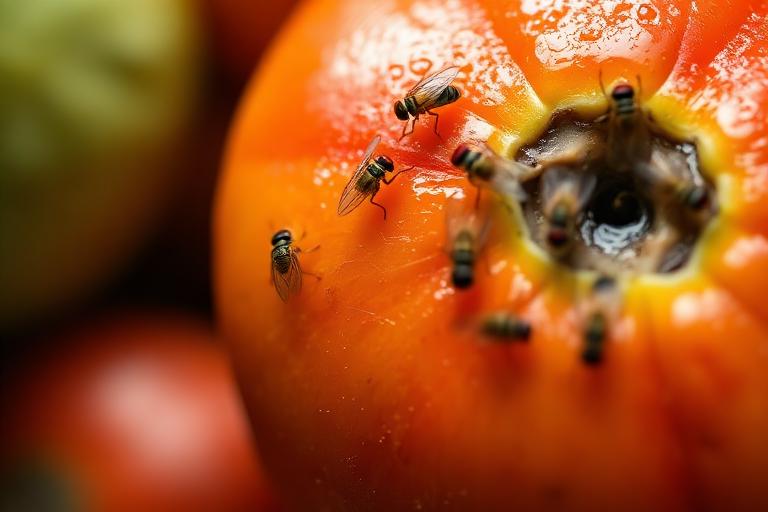
How to identify no-see-ums
- What it looks like
- Barely visible gray flies with patterned wings.
- Size
- 1/32 to 1/8 inch
- Where you'll find it
- Marsh edges, wet sand, ponds, moist soil and dense shaded vegetation.
- Commonly confused with
- Mosquito bites are larger welts and mosquitoes are visible.
Signs of no-see-ums in your home
- Sharp bites at dawn and dusk with no visible insect
- Red itchy welts on ankles and arms
- Bites near water
Is it really no-see-ums? Side-by-side comparisons
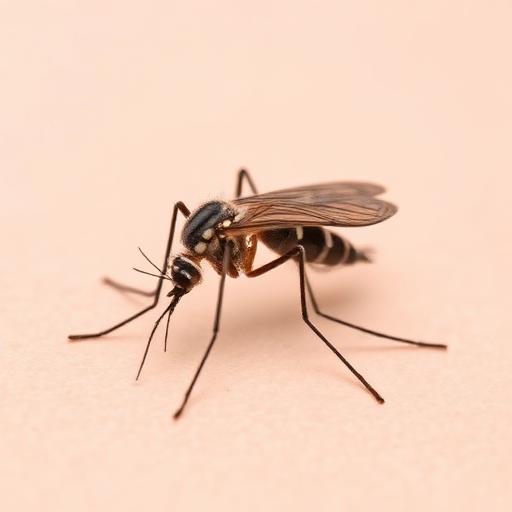
No-see-ums are significantly smaller (1/32-1/8 inch) and their bites produce smaller, more intensely itchy red welts compared to the larger, less numerous mosquito bites.
Fungus gnats have long legs and antennae, lack the characteristic patterned wings of no-see-ums, and are typically found near overwatered houseplants or fungi.
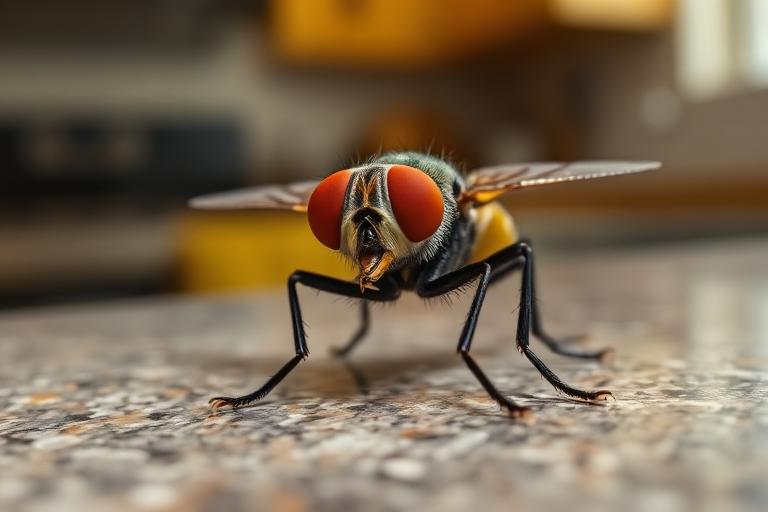
True sand flies (e.g., Phlebotomus and Lutzomyia) have a humped back and hairy bodies, and their wings are held in a V-shape when at rest, unlike no-see-ums.
Chironomid midges are often larger, non-biting, and their larvae are aquatic and red (bloodworms), while no-see-um larvae are whitish and semi-aquatic.
Regional differences across the U.S.
Culicoides furens is the primary biting midge species along the Atlantic and Gulf coasts, from Florida to North Carolina and westward to Texas, thriving in salt marshes and mangrove swamps. In the Midwest, Culicoides obsoletus is common, particularly in rural areas with livestock, from late spring through fall. The Pacific Northwest, including Oregon and Washington, sees activity from various Culicoides species in forested areas and near bodies of water, with peak biting in late summer. Coastal regions with high humidity and sandy or marshy substrates provide ideal breeding grounds, while drier inland states experience lower pressure. Climate change may extend seasonal activity in northern states.
Life cycle and timing that changes treatment
No-see-ums undergo complete metamorphosis: egg, larva, pupa, and adult. The entire cycle can be completed in 2-6 weeks depending on temperature and species, with multiple generations per year in warm climates. Eggs are laid in moist soil or mud and hatch in 2-10 days. Larvae develop over 1-4 weeks, pupate for 2-3 days, and adults emerge. Overwintering typically occurs as larvae in moist substrate, emerging as adults in spring when temperatures consistently rise above 60°F.
How to inspect for no-see-ums, step by step
- 1
Examine marsh edges, sandy beaches, and pond margins at dusk and dawn using a fine-mesh insect net to confirm adult activity.
- 2
Inspect shaded, moist soil areas around homes, especially near vegetation and water features, for larval habitats by sifting soil samples.
- 3
Place sticky traps near potential entry points like unscreened windows or doors, especially in areas with stagnant air, to capture adult no-see-ums.
- 4
Check for clogged gutters and drainage issues using a flashlight and moisture meter around the foundation, as standing water promotes breeding.
Treatment decision tree
| If you find this | Do this next |
|---|---|
| You experience occasional bites outdoors near water sources. | This indicates a localized nuisance. Use personal repellents with DEET or picaridin when outdoors. Avoid peak activity times (dusk/dawn). |
| You notice persistent biting activity around your home, but not indoors. | This suggests nearby breeding. Focus on source reduction: eliminate standing water and consider installing fine-mesh screening (16-mesh or finer). |
| You find adult no-see-ums indoors or experience frequent bites inside. | This indicates a breeding source very close to or within your home. Inspect potted plants, damp basements, or crawl spaces for moisture issues. |
| Despite source reduction, biting pressure remains high or increases. | The breeding source may be extensive or outside your property. Consider outdoor barrier treatments with pyrethroids around perimeters to reduce adult populations. |
| Your property is adjacent to protected wetlands or a large marsh with severe, ongoing infestations. | This requires a comprehensive, often regional, approach. Contact local mosquito abatement districts or public health agencies for large-scale management options. |
Where DIY runs out of road
- • Over-the-counter space sprays offer only temporary knockdown, failing to address the breeding source and providing no residual control against emerging no-see-ums.
- • Foggers and repellents often have limited effectiveness in open outdoor areas against persistent no-see-um populations and won't eliminate larvae in their breeding sites.
- • DIY attempts at source reduction often overlook subtle breeding sites like damp leaf litter or cryptic water accumulations, allowing populations to rebound rapidly.
When to call a professional
- • Persistent outdoor biting despite diligent source reduction and personal protection.
- • Infestations extending indoors with no apparent internal breeding sites identified.
- • Property located adjacent to large, intractable breeding grounds like salt marshes.
Safety and legal limits
Always read and strictly follow pesticide labels; it is the law. Misuse can harm non-target organisms, including beneficial insects, and contaminate water bodies. Some products are restricted-use and require a licensed applicator. When applying any insecticide, ensure pets and children are clear of the area until products are dry. Use appropriate personal protective equipment, such as gloves and a respirator, especially when working with concentrated solutions or in enclosed spaces. Be mindful of drift if using outdoor sprays, protecting sensitive areas like vegetable gardens or ponds. In coastal regions, be aware of potential impacts on protected species and aquatic ecosystems.
No-see-ums questions homeowners ask
What is biting me if I can't see anything?
Most often no-see-ums (biting midges), especially near water at dawn or dusk.
No-see-um control by city
Local technicians handle no-see-ums in every market below — pick your city for neighborhood coverage, seasonal notes and a free quote.
Related biting pests pests
Sources and further reading
Guidance on this page is compiled from EPA, CDC and land-grant university extension IPM publications, which are linked in the sources section. It is general information, not a diagnosis or a treatment recommendation for your property.
- Ticks: prevention and tickborne disease — U.S. Centers for Disease Control and Prevention
- Fleas and flea-borne disease — U.S. Centers for Disease Control and Prevention
- Integrated Pest Management (IPM) principles — U.S. Environmental Protection Agency
- Safe pest control in and around the home — U.S. Environmental Protection Agency