
Biting pests
Ticks: identification & tick control
Ticks wait on tall grass and leaf-litter edges for a host. We treat the tick zone along wood lines, fences and shaded borders, and recommend habitat changes that make the yard inhospitable.
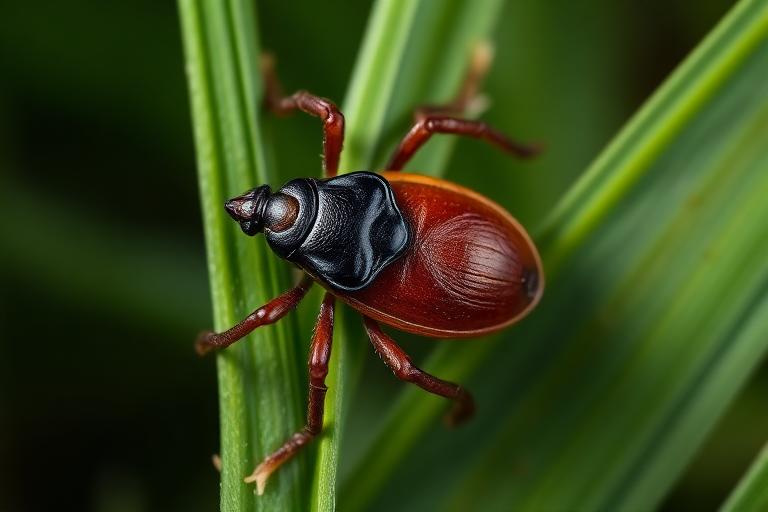
How to identify ticks
- What it looks like
- Eight-legged flat oval arachnids, brown to reddish, that swell into a gray bean shape when engorged.
- Size
- Poppy-seed to 1/4 inch
- Where you'll find it
- Tall grass, leaf litter, wood lines, ivy, shrubs and areas with deer or rodent traffic.
- Commonly confused with
- Engorged ticks are often mistaken for skin tags or small warts.
Signs of ticks in your home
- Ticks found on pets or people
- Bull's-eye rash after a bite
- Deer or rodent traffic along the yard edge
Is it really ticks? Side-by-side comparisons
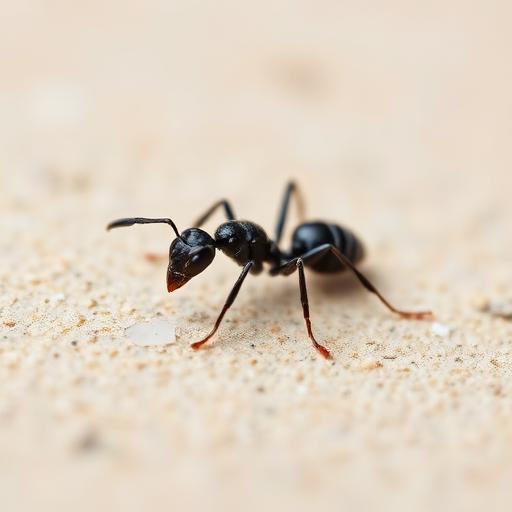
Ticks will have distinct legs visible, especially when viewed with magnification, and will be firmly attached to the skin. Skin tags are soft growths.
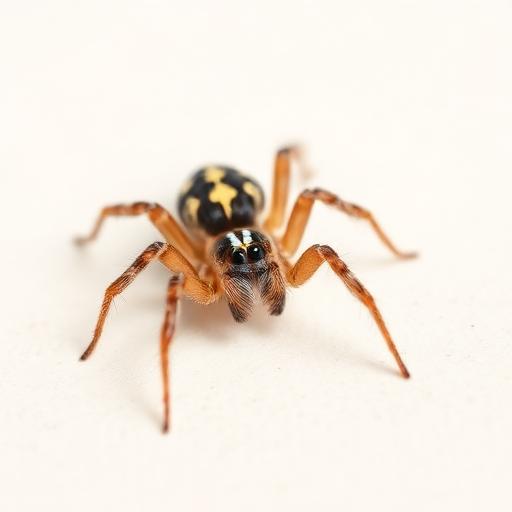
Ticks are arachnids like spiders, but ticks have a single, oval body segment, whereas spiders have two distinct body segments (cephalothorax and abdomen).
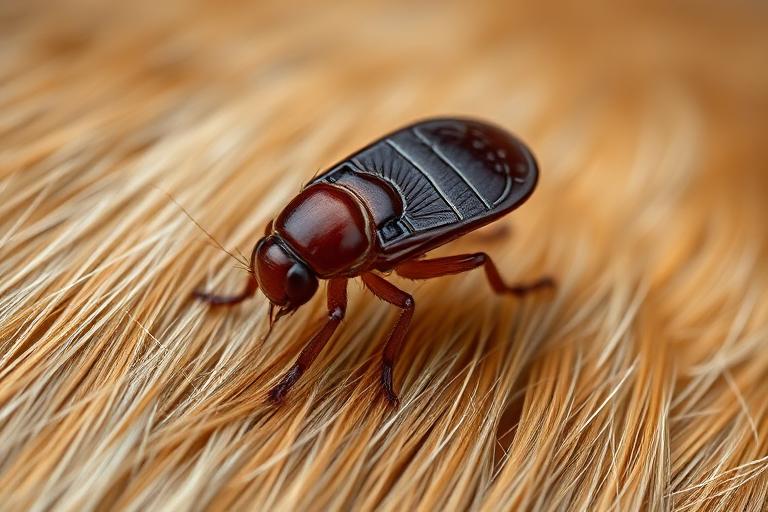
Fleas are insects with six legs, flattened laterally, and can jump. Ticks are eight-legged arachnids, flattened dorsoventrally, and crawl.
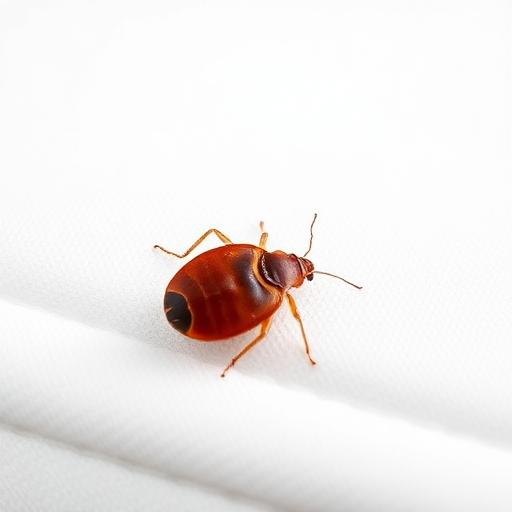
Bed bugs are reddish-brown insects with segmented bodies and a distinct head and thorax. Ticks are arachnids with a single, unsegmented body.
Regional differences across the U.S.
The blacklegged tick (Ixodes scapularis), also known as the deer tick, is prevalent in the Northeastern, Mid-Atlantic, and North Central US, particularly Wisconsin and Minnesota. It transmits Lyme disease, with peak nymph activity in late spring/early summer. The Lone Star tick (Amblyomma americanum) dominates the Southeast and South Central US, from Texas to Iowa, favoring woodlands and tall grass. It causes alpha-gal syndrome. The American dog tick (Dermacentor variabilis) is widespread east of the Rocky Mountains and parts of the Pacific Northwest, common in grassy fields and along roadsides. Western blacklegged tick (Ixodes pacificus) is found along the Pacific coast, from northern California to British Columbia, transmitting Lyme disease. Mild winters and increased deer populations contribute to higher tick densities and extended activity periods across regions.
Life cycle and timing that changes treatment
Most hard ticks (family Ixodidae) undergo a four-stage life cycle: egg, larva, nymph, and adult, typically over two to three years. Each active stage (larva, nymph, adult) requires a blood meal to molt or reproduce. Larvae and nymphs often feed in spring/early summer, while adults are most active in fall and spring. Overwintering usually occurs as unfed nymphs or adults in leaf litter or vegetation, making late fall cleanup and early spring treatments crucial for control.
How to inspect for ticks, step by step
- 1
Carefully inspect pets after outdoor activity, paying close attention to ears, between toes, under the collar, and in the armpits using a fine-toothed comb.
- 2
Examine wood lines, tall grasses, and transition zones between manicured lawns and natural areas, using a white cloth dragged along vegetation (tick dragging) to pick up ticks.
- 3
Check personal clothing and skin after spending time outdoors, focusing on areas like the scalp, behind the ears, armpits, groin, and behind the knees.
- 4
Inspect outdoor furniture, decks, and play areas, especially those near wooded edges or dense vegetation, using a flashlight to spot crawling ticks.
Treatment decision tree
| If you find this | Do this next |
|---|---|
| You find a single tick on yourself or a pet | Remove it immediately with fine-tipped tweezers, grasping close to the skin. Clean the area. No further action needed for isolated incidents. |
| You find multiple ticks on a pet after outdoor activity | Bathe the pet and manually remove all ticks. Consider an EPA-approved topical tick preventative or veterinary consultation for ongoing protection. |
| You frequently find ticks on yourself or pets after spending time in your yard | Implement cultural controls like mowing tall grass, clearing leaf litter, and creating woodchip barriers. Consider a targeted perimeter pesticide application if issues persist. |
| You find ticks indoors | This indicates they were likely carried in by pets or people. Thoroughly vacuum and inspect pet bedding and common traffic areas. Treat pets if necessary. |
| You or a family member develop symptoms of a tick-borne illness after a bite | Seek immediate medical attention and inform your doctor about the tick bite. Do not attempt self-diagnosis or treatment for suspected illness. |
Where DIY runs out of road
- • Over-the-counter permethrin-based yard sprays often provide only short-term knockdown and may not penetrate dense vegetation where ticks reside, leading to rapid reinfestation.
- • DIY essential oil remedies lack scientific evidence of consistent efficacy for tick control and cannot reliably prevent tick-borne diseases in high-risk areas.
- • Attempting broad-spectrum insecticide applications without proper knowledge can harm beneficial insects, pets, and children, while failing to achieve adequate tick suppression.
When to call a professional
- • Persistent tick problems in your yard despite cultural controls and targeted DIY efforts.
- • Identification of large tick populations, especially nymphs, in high-use areas of your property.
- • Desire for targeted perimeter treatments using restricted-use products like fipronil or bifenthrin for residual control.
Safety and legal limits
Always read and strictly follow pesticide product labels, as they are legal documents dictating application rates, target pests, and safety precautions. Misuse is illegal and ineffective. Restricted-use products (RUPs) are not available to the general public and require a licensed applicator due to their higher toxicity or environmental risk. Ensure pets and children are kept out of treated areas until sprays have dried, typically 2-4 hours. Do not apply pesticides near water bodies or blooming plants where pollinators are active, to prevent environmental contamination and harm to non-target species. Consider integrated pest management (IPM) strategies for sustainable tick control.
Ticks questions homeowners ask
What kind of tick bit me?
Black-legged (deer) ticks are tiny with dark legs and carry Lyme disease; lone star ticks have a white dot; American dog ticks are larger with mottled markings.
How do I remove a tick?
Use fine-tipped tweezers at the skin line, pull straight out without twisting, and disinfect the site.
Tick control by city
Local technicians handle ticks in every market below — pick your city for neighborhood coverage, seasonal notes and a free quote.
Related biting pests pests
Sources and further reading
Guidance on this page is compiled from EPA, CDC and land-grant university extension IPM publications, which are linked in the sources section. It is general information, not a diagnosis or a treatment recommendation for your property.
- Ticks: prevention and tickborne disease — U.S. Centers for Disease Control and Prevention
- Pest Notes: home and landscape pests — University of California Statewide IPM Program
- Integrated Pest Management (IPM) principles — U.S. Environmental Protection Agency
- Safe pest control in and around the home — U.S. Environmental Protection Agency