
Biting pests
Mosquitoes: identification & mosquito control
Mosquitoes breed in as little as a bottle cap of standing water. Seasonal yard treatments target resting sites in shrubs and shaded foliage while larvicide handles standing water you cannot drain.
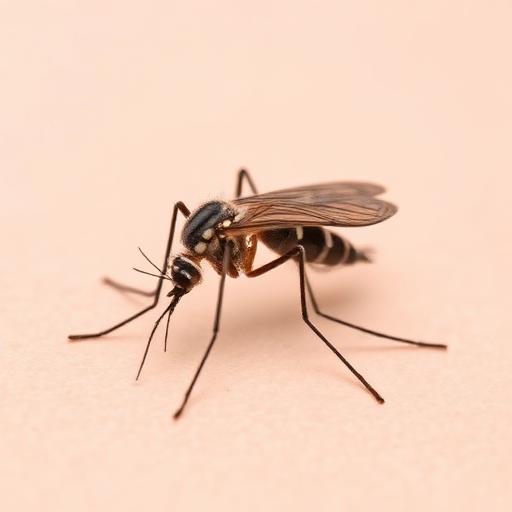
How to identify mosquitoes
- What it looks like
- Slender flies with long legs, narrow wings and a piercing proboscis.
- Size
- 1/8 to 3/8 inch
- Where you'll find it
- Standing water in gutters, planters, tires, birdbaths, plus shaded shrubs and tall grass.
- Commonly confused with
- Crane flies are much larger and do not bite; midges swarm but lack a biting proboscis.
Signs of mosquitoes in your home
- Itchy welts after being outdoors
- Whining sound at dusk
- Wrigglers in standing water
Is it really mosquitoes? Side-by-side comparisons
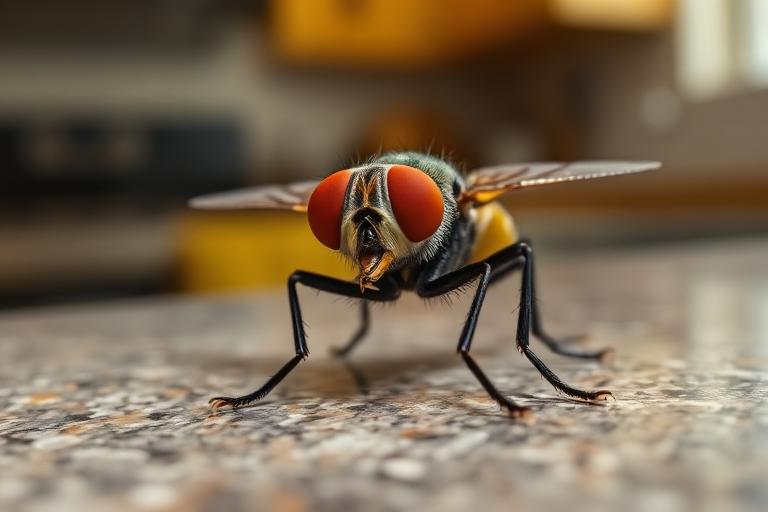
Crane flies are significantly larger (up to 1.5 inches), have much longer, spindly legs, and lack the mosquito's prominent, piercing proboscis. They do not bite.
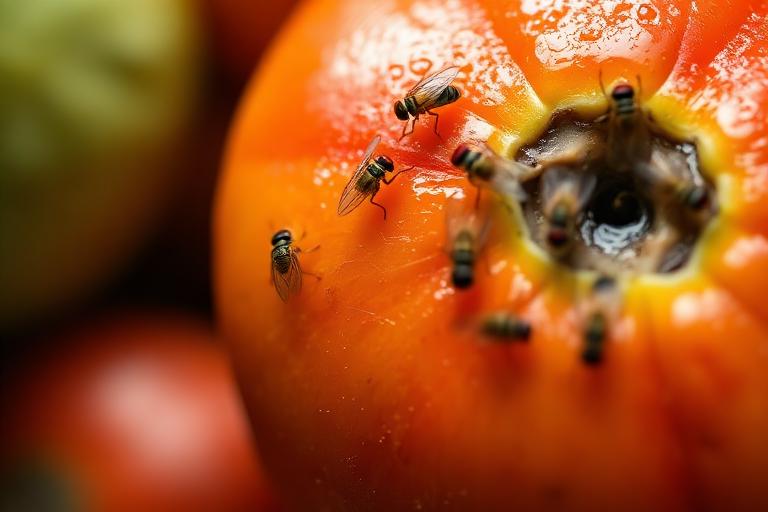
Midges are smaller and often swarm in dense clouds, but they lack the elongated proboscis necessary for biting. Their wings are also typically broader relative to their body.
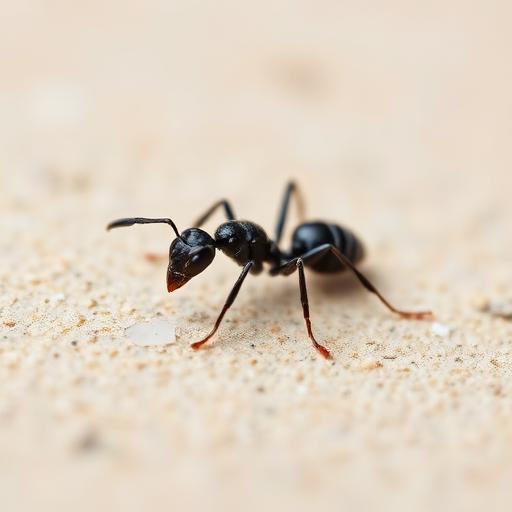
Many small aquatic insects resemble mosquito larvae, but true mosquito larvae exhibit a distinctive 'wriggler' movement and often hang upside down at the water surface to breathe via a siphon.
Mayflies have two or three long tails at the end of their abdomen and hold their wings vertically over their body at rest. They lack the mosquito's proboscis and biting mouthparts.
Regional differences across the U.S.
In the Northeast and Midwest, *Aedes vexans* and *Culex pipiens* are common, with peak activity from late spring through early fall. Cooler temperatures mean fewer generations annually compared to southern states. In Florida and the Gulf Coast, *Aedes aegypti* and *Culex quinquefasciatus* are prevalent, active year-round due to the warm, humid climate, increasing concerns for arboviruses like Zika and West Nile. The arid Southwest, including Arizona and Nevada, sees intense mosquito activity during monsoon seasons, often utilizing temporary water sources. Pacific Northwest mosquitoes like *Culiseta incidens* emerge after snowmelt and during summer rains, though overall populations might be lower due to fewer sustained warm periods. Home construction with poorly drained yards or absent screens increases risk everywhere.
Life cycle and timing that changes treatment
Mosquitoes undergo complete metamorphosis: egg, larva, pupa, and adult. The entire cycle can take as little as 5-7 days in warm conditions (e.g., *Culex quinquefasciatus* in Florida), leading to multiple generations per month. Eggs are laid on or near water. Larvae and pupae are aquatic. Adults emerge and typically live for several weeks. Only adult females bite. Overwintering usually occurs as eggs or diapausing adults in sheltered locations like culverts or hollow logs, depending on the species and region.
How to inspect for mosquitoes, step by step
- 1
Check all outdoor containers – bird baths, old tires, clogged gutters, and planter saucers – for standing water and the presence of 'wrigglers' (larvae) or 'tumblers' (pupae).
- 2
Thoroughly inspect ornamental ponds, unused swimming pools, and tarps covering boats or woodpiles for stagnant water accumulation where mosquitoes can breed.
- 3
Examine dense shrubbery, tall grasses, and shaded, damp areas around foundations using a flashlight at dusk or dawn, as adult mosquitoes rest in these sheltered spots.
- 4
Inspect window screens and door seals for gaps or tears, as even small openings can allow adult mosquitoes to enter homes from outdoor breeding sites.
Treatment decision tree
| If you find this | Do this next |
|---|---|
| You notice adult mosquitoes occasionally flying inside your home, particularly around doors or windows. | This indicates a localized outdoor breeding source or entry points. Focus on eliminating standing water around the home and repairing screens. |
| You are experiencing frequent bites outdoors, especially at dawn or dusk, and observe small numbers of adult mosquitoes. | Implement source reduction by eliminating all standing water and consider using personal repellents containing DEET or picaridin for temporary relief. |
| You regularly find mosquito larvae ('wrigglers') in standing water on your property. | You have active breeding sites. Apply Bti (Bacillus thuringiensis israelensis) larvicides to water sources that cannot be eliminated, such as rain barrels or bird baths. |
| You are overwhelmed by biting mosquitoes daily, despite diligent source reduction efforts on your property. | This suggests a larger, off-property breeding source or significant populations in the immediate vicinity. Consider contacting your local mosquito control district. |
| There is a confirmed local outbreak of a mosquito-borne illness (e.g., West Nile Virus, Zika), and mosquito populations are high. | Follow guidance from public health authorities. This may involve community-wide adulticiding, intensified personal protection, and professional pest control for targeted treatments. |
Where DIY runs out of road
- • Over-the-counter foggers and sprays offer only temporary adult mosquito control and do not address the larval breeding sources, leading to rapid reinfestation.
- • DIY misting systems often use pyrethroids, which can negatively impact beneficial insects like pollinators without effectively controlling mosquito populations long-term.
- • Ignoring standing water on your property and relying solely on repellents or DIY treatments allows mosquito populations to continuously breed, exacerbating the problem.
When to call a professional
- • If extensive mosquito breeding sites exist on or near your property that you cannot manage yourself.
- • When facing high mosquito populations that persist despite diligent source reduction and larvicide application.
- • For targeted adulticide treatments in conjunction with larviciding, especially in high-risk arbovirus areas.
Safety and legal limits
Always read and strictly follow pesticide product labels. Misuse is a violation of federal law. Products containing pyrethrins or pyrethroids, while commonly available, can be toxic to aquatic life and beneficial insects, including honeybees; apply only according to label directions and avoid drift onto water bodies or blooming plants. Ensure proper ventilation when applying indoors. Keep children and pets away from treated areas until dry. Some mosquito control products are Restricted Use Pesticides, requiring application by certified applicators. Local health departments may offer guidance on mosquito-borne disease prevention and may conduct community-wide mosquito control activities, often utilizing integrated pest management strategies.
Mosquitoes questions homeowners ask
What diseases do mosquitoes carry?
In the U.S., West Nile virus, and in some regions dengue, Zika and chikungunya, plus heartworm in dogs.
How long does mosquito treatment last?
Most barrier sprays last about three to four weeks, so monthly service through the season is typical.
Mosquito control by city
Local technicians handle mosquitoes in every market below — pick your city for neighborhood coverage, seasonal notes and a free quote.
Related biting pests pests
Sources and further reading
Guidance on this page is compiled from EPA, CDC and land-grant university extension IPM publications, which are linked in the sources section. It is general information, not a diagnosis or a treatment recommendation for your property.
- Mosquitoes: control around the home and disease risk — U.S. Centers for Disease Control and Prevention
- Pest Notes: home and landscape pests — University of California Statewide IPM Program
- Integrated Pest Management (IPM) principles — U.S. Environmental Protection Agency
- Safe pest control in and around the home — U.S. Environmental Protection Agency