Stinging insects
Paper wasps: identification & paper wasp control
Paper wasps build open comb nests in sheltered spots and defend them when disturbed. We remove the nest, treat the attachment point and check the common rebuild locations around the home.
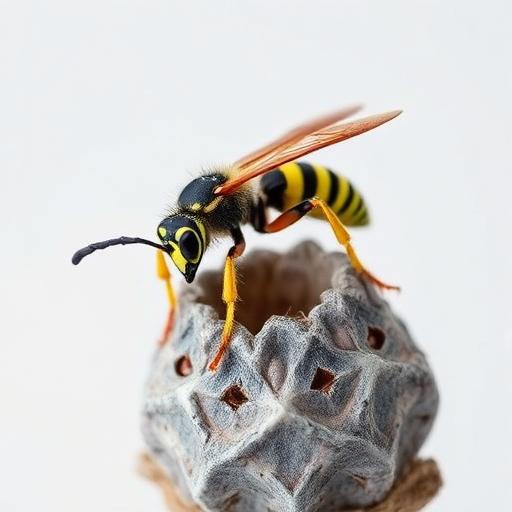
How to identify paper wasps
- What it looks like
- Slender brown or reddish wasps with yellow markings and long legs that dangle in flight.
- Size
- 3/4 to 1 inch
- Where you'll find it
- Under eaves, porch ceilings, grills, mailboxes, playsets and patio furniture.
- Commonly confused with
- Bald-faced hornets build enclosed gray nests.
Signs of paper wasps in your home
- Open umbrella-shaped comb with visible cells
- A few wasps guarding the nest
- Nests near doorways
Is it really paper wasps? Side-by-side comparisons
Paper wasps build open-celled, umbrella-shaped nests; bald-faced hornets construct large, enclosed, gray, paper-mache-like nests.
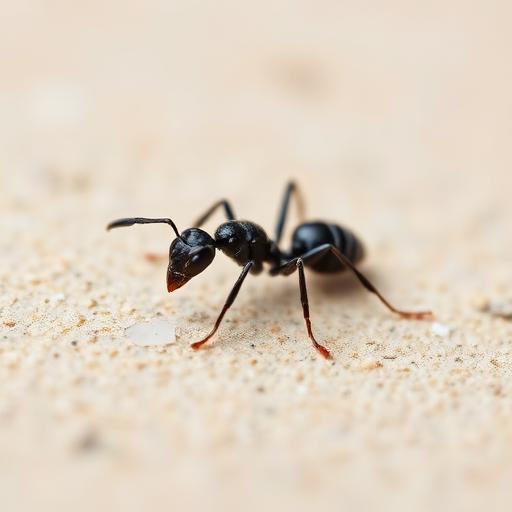
Paper wasps are more slender with longer legs, flying with legs dangling. Yellowjackets are stockier and fly with legs tucked.
Paper wasps construct paper nests; mud daubers build cylindrical mud tubes or nests made from soil and saliva.
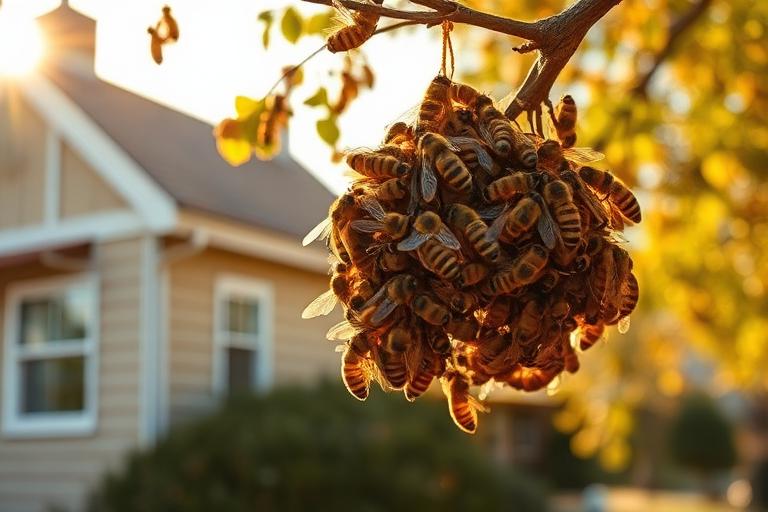
Paper wasps have smooth bodies with sparse hairs; honey bees are fuzzy and typically have black and yellow banding.
Regional differences across the U.S.
In the Northeast and Midwest, Polistes fuscatus and Polistes metricus are common, often building nests on homes in spring and early summer. Southern states, particularly Florida and Texas, see a higher prevalence of Polistes exclamans and Polistes carolina, with longer active seasons extending into early fall. The arid Southwest (Arizona, New Mexico) frequently encounters Polistes dominula, an invasive species, often nesting in irrigated areas or under shade structures. Coastal regions with higher humidity may experience more rapid nest development. Construction styles like open eaves or abundant outdoor structures in certain regions can increase nesting opportunities, while milder winters in the South allow for earlier colony establishment and longer foraging periods.
Life cycle and timing that changes treatment
Paper wasps undergo complete metamorphosis: egg, larva, pupa, and adult. A colony typically starts in spring with an overwintering queen. Eggs hatch into larvae, which pupate and emerge as sterile female workers within 4-6 weeks. Multiple generations can occur in warmer climates (e.g., 2-3 in the South), while northern regions usually have one primary generation. Males and new queens are produced in late summer, with fertilized queens overwintering in protected locations, making early spring the optimal time for preventative control before colony establishment.
How to inspect for paper wasps, step by step
- 1
Scan under eaves, porch ceilings, and deck railings with a flashlight at a low angle in late morning for new nest starts.
- 2
Examine grills, mailboxes, and outdoor play equipment, paying close attention to undersides and recessed areas.
- 3
Inspect empty birdhouses, utility boxes, and discarded containers for small, nascent, umbrella-shaped nests.
- 4
Check for wasps entering small gaps in siding, soffits, or around window frames, indicating potential hidden nesting sites.
Treatment decision tree
| If you find this | Do this next |
|---|---|
| You observe 1-2 paper wasps foraging in your yard in early spring. | This suggests queens are emerging and scouting. Monitor for nest construction near preferred harborage sites. |
| You find a single, small, umbrella-shaped nest (under 2 inches) with few wasps visible. | This is likely a new colony. If accessible and you are not allergic, removal at dusk with a aerosol wasp spray is feasible. |
| You notice multiple small paper wasp nests (3-5+) around your home's exterior. | This indicates active queen establishment. Implement targeted treatment of each nest with an insecticide labeled for wasps. Consider a professional if inaccessible. |
| A nest is softball-sized or larger with many active wasps, especially near a high-traffic area. | This is a mature colony. Attempting DIY removal is high-risk. Contact a pest management professional for safe and effective treatment. |
| You or a family member have a known severe allergy to insect stings, and active nests are present. | Any wasp activity represents a significant health risk. Immediately contact a pest management professional with experience in stinging insect removal. |
Where DIY runs out of road
- • Over-the-counter wasp sprays provide knockdown but often lack residual control, leading to rapid re-nesting in the same area.
- • Attempting to knock down large or established nests without proper personal protective equipment commonly results in multiple stings and increased aggression.
- • Foggers and 'bug bombs' are ineffective against paper wasp nests, failing to penetrate the nest structure and often dispersing wasps into new areas.
When to call a professional
- • Nests are located in difficult-to-reach areas, such as high eaves or inside wall voids.
- • Presence of multiple, large, or highly active nests around the property.
- • Known history of severe allergic reactions to wasp stings among residents.
Safety and legal limits
Always read and strictly follow the label directions of any pesticide product. Misuse is a violation of federal law and can be harmful to humans, pets, and the environment. When treating for stinging insects, wear appropriate personal protective equipment, including long sleeves, pants, gloves, and eye protection, even if not allergic, to minimize exposure risk. Never apply pesticides when children or pets are present, and ensure treated areas are dry before allowing re-entry. Avoid using restricted-use pesticides, which require a certified applicator, as they pose higher risks. Be aware that some states have specific regulations regarding pesticide application near water sources or protected habitats.
Paper wasps questions homeowners ask
What is the small honeycomb nest under my eave?
A paper wasp nest — open-celled and umbrella shaped, usually with a handful of wasps on it.
Paper wasp control by city
Local technicians handle paper wasps in every market below — pick your city for neighborhood coverage, seasonal notes and a free quote.
Related stinging insects pests
Sources and further reading
Guidance on this page is compiled from EPA, CDC and land-grant university extension IPM publications, which are linked in the sources section. It is general information, not a diagnosis or a treatment recommendation for your property.
- Honey bee health and pollinator protection — U.S. Department of Agriculture
- Pest Notes: home and landscape pests — University of California Statewide IPM Program
- Integrated Pest Management (IPM) principles — U.S. Environmental Protection Agency
- Safe pest control in and around the home — U.S. Environmental Protection Agency