
Spiders & arachnids
Spiders: identification & spider control
Most spiders follow their food. We de-web eaves, garages and crawl spaces, treat the perimeter to cut off the insects spiders feed on, and take extra precautions with black widow and brown recluse activity.
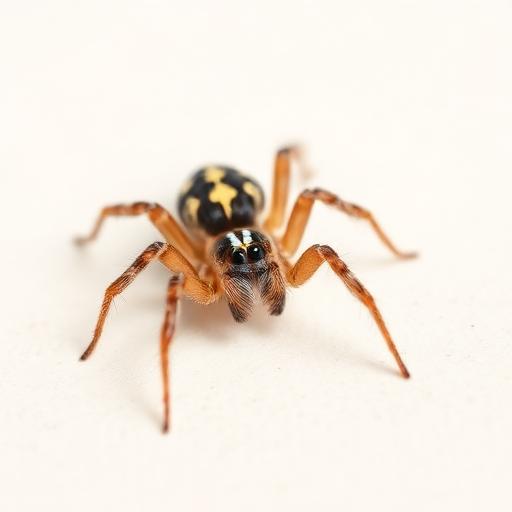
How to identify spiders
- What it looks like
- Eight legs, two body segments and no antennae; web-builders have small heads and rounded abdomens.
- Size
- 1/8 to 2 inches including legs
- Where you'll find it
- Corners, eaves, garages, basements, crawl spaces, window wells and stored boxes.
- Commonly confused with
- Harvestmen (daddy longlegs) have one body segment and do not spin webs.
Signs of spiders in your home
- Webs in corners or eaves
- Egg sacs
- Shed skins
- Increase in flying insects indoors
Is it really spiders? Side-by-side comparisons
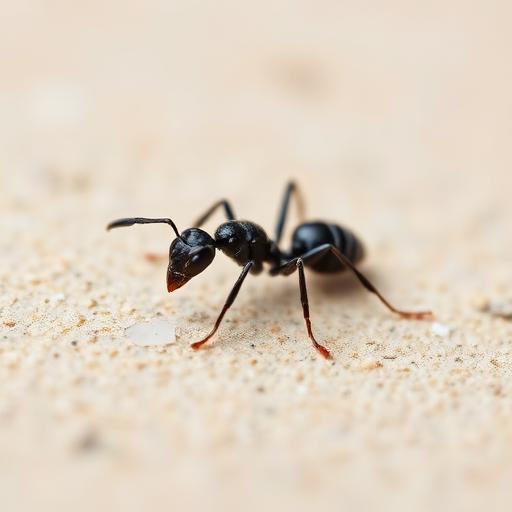
Spiders have two distinct body segments (cephalothorax and abdomen) and a constriction between them; harvestmen have a single, fused body segment with no waist.
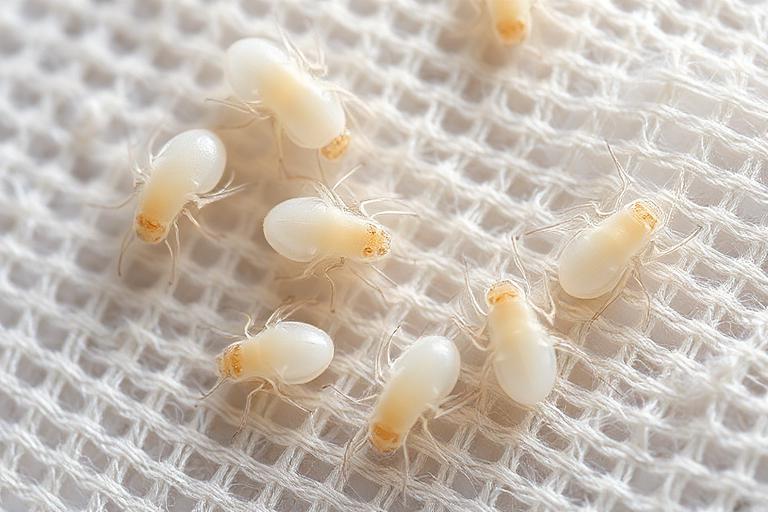
Spiders are macro-arthropods, typically 1/8 to 2 inches, easily visible to the naked eye. Mites are microscopic or barely visible, often appearing as dust.
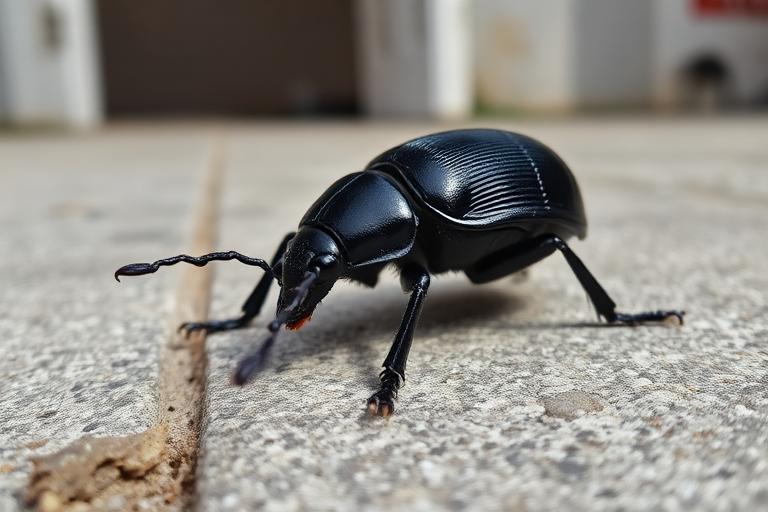
Spiders have eight legs and no antennae. Insects have six legs, antennae, and three body segments (head, thorax, abdomen).
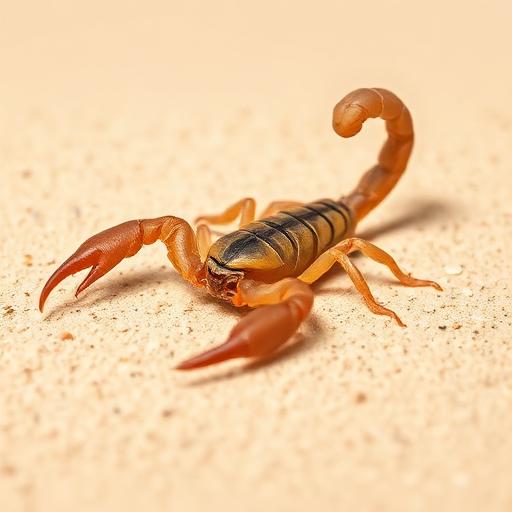
Pseudoscorpions are very small (2-8 mm) and possess large, claw-like pedipalps, resembling a scorpion without a tail. Spiders lack these prominent claws and have fangs.
Regional differences across the U.S.
The hobo spider (Eratigena agrestis), though often misidentified, is established in the Pacific Northwest (Oregon, Washington, Idaho), where its bites are a concern. The brown recluse (Loxosceles reclusa) is primarily found in the South Central United States, ranging from Kansas to Georgia, and its distribution is well-defined. Black widows (Latrodectus spp.) are common across the entire US, with Latrodectus hesperus in the West and Latrodectus mactans in the Southeast. Cellar spiders (Pholcus phalangioides) are ubiquitous nationwide, often seeking refuge in damp basements and crawl spaces, while orb weavers (Araneidae family) are prevalent outdoors during warmer months in all regions, constructing large webs. Cold climates reduce outdoor activity, making indoor harborage in heated structures more critical during winter months.
Life cycle and timing that changes treatment
Most house-infesting spiders overwinter as eggs or immature spiders. Eggs are laid in silken sacs, with development to adulthood typically taking several months to a year, depending on species and conditions. Many common house spiders complete one generation per year. Egg sacs are crucial control targets as they contain dozens to hundreds of potential offspring. Adult lifespan varies, from one year for species like the common house spider (Parasteatoda tepidariorum) to several years for some tarantulas.
How to inspect for spiders, step by step
- 1
Use a bright flashlight to inspect dark, undisturbed areas like basements, attics, and crawl spaces. Focus on corners, ceiling-wall junctions, and behind stored items for webs.
- 2
Examine window wells and exterior eaves for funnel webs (hobo spiders) or irregular, tangled webs (black widows, common house spiders), especially after dusk when spiders are active.
- 3
Inspect under rocks, logs, and leaf litter around the foundation using a gloved hand or probe. Look for concealed retreats and ground-dwelling spiders like wolf spiders.
- 4
Place glue board monitors along baseboards in low-traffic areas like garages, storage rooms, and unfinished basements to detect spider presence and identify species.
Treatment decision tree
| If you find this | Do this next |
|---|---|
| You observe occasional spider webs in undisturbed outdoor areas like eaves or bushes. | This indicates normal outdoor spider activity. Simply remove webs with a broom or hose. No pesticide application is necessary. |
| You find 1-2 spiders or small, isolated webs indoors, particularly in a garage or basement. | This suggests occasional wanderers or minor harborage. Vacuum up spiders and webs. Consider sealing entry points like gaps under doors. |
| You consistently find several spiders, active webs, or egg sacs in multiple indoor locations. | This indicates a more significant indoor population. Focus on source reduction: declutter, seal cracks, reduce indoor humidity. Apply a residual insecticide to cracks/crevices if needed. |
| You identify a venomous spider (e.g., black widow, brown recluse) indoors or multiple individuals. | Do not attempt to handle directly. Use a vacuum or contact a pest management professional for identification and targeted treatment, especially with children or pets present. |
| You experience bites from unknown spiders, particularly with necrotic lesions or systemic reactions. | Seek immediate medical attention. Collect the spider if possible for professional identification. This indicates a significant health risk requiring expert pest control intervention. |
Where DIY runs out of road
- • Over-the-counter foggers or 'bug bombs' are generally ineffective for spiders; they don't penetrate crevices where spiders hide and often repel them to new areas.
- • Residual perimeter sprays applied by homeowners often fail to target the actual harborage sites. Spiders are not repelled by many common insecticides, leading to continued indoor presence.
- • DIY attempts at sealing entry points often overlook critical gaps, like utility line penetrations or weep holes, allowing continued spider ingress and exacerbating infestations.
When to call a professional
- • Identification of venomous spiders (e.g., brown recluse, black widow) indoors.
- • Persistent spider infestations despite diligent DIY efforts and sanitation.
- • Allergic reactions or suspected spider bites requiring expert identification.
Safety and legal limits
Always read and follow pesticide labels precisely; it is a federal law. Misapplication can harm humans, pets, and non-target organisms. Never use outdoor-only products indoors. When using aerosols, ensure proper ventilation to prevent respiratory irritation. Keep all insecticides out of reach of children and pets, and ensure treated surfaces are dry before allowing access. For professional-grade products like pyrethroid concentrates, proper personal protective equipment (PPE) like gloves and respirators may be necessary. Misidentification of protected species, though rare for common pest spiders, should be avoided. Applying liquid termiticides or other restricted-use products without proper licensing is illegal and can lead to severe environmental contamination or structural damage.
Spiders questions homeowners ask
How do I know if a spider is dangerous?
In the U.S. only black widows (shiny black with a red hourglass) and brown recluses (violin mark, six eyes) are medically significant. Photograph, do not handle.
Why do I suddenly have lots of spiders?
Spiders follow prey and shelter. A spike usually means an insect problem outside, or cooling weather driving them indoors.
Spider control by city
Local technicians handle spiders in every market below — pick your city for neighborhood coverage, seasonal notes and a free quote.
Related spiders & arachnids pests
Sources and further reading
Guidance on this page is compiled from EPA, CDC and land-grant university extension IPM publications, which are linked in the sources section. It is general information, not a diagnosis or a treatment recommendation for your property.
- Pest Notes: home and landscape pests — University of California Statewide IPM Program
- Pest control and pesticide fact sheets — National Pesticide Information Center (Oregon State University / EPA)
- Integrated Pest Management (IPM) principles — U.S. Environmental Protection Agency
- Safe pest control in and around the home — U.S. Environmental Protection Agency