
Spiders & arachnids
Brown recluse spiders: identification & brown recluse control
Also known as: fiddleback spiders, violin spiders
Brown recluse populations hide in undisturbed storage and voids, so glue-board monitoring plus targeted void treatment is essential. We also help declutter high-risk storage areas.
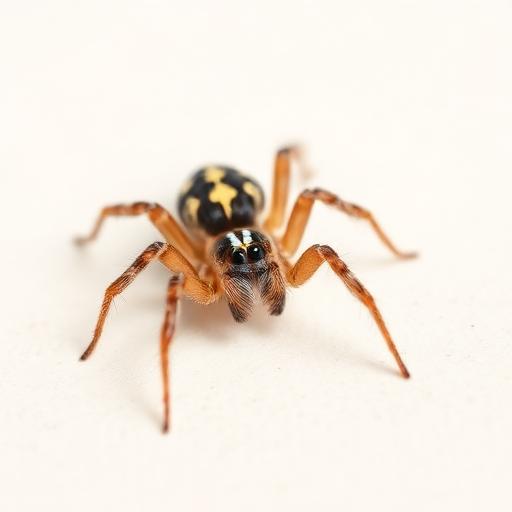
How to identify brown recluse spiders
- What it looks like
- Uniform tan-brown with a dark violin shape behind the head, six eyes in three pairs, and no leg banding.
- Size
- 1/4 to 1/2 inch body
- Where you'll find it
- Closets, attics, basements, cardboard boxes, behind baseboards and in stored clothing.
- Commonly confused with
- Cellar spiders and wolf spiders are frequently misidentified; recluses have no leg stripes and a violin marking.
Signs of brown recluse spiders in your home
- Irregular wispy webbing in storage
- Shed skins in boxes
- Spiders caught on glue boards
- Slow-healing necrotic bite
Is it really brown recluse spiders? Side-by-side comparisons
Cellar spiders have very long, thin legs and typically hang upside down in messy webs; brown recluses have stouter legs and build irregular, non-orb webs.
Wolf spiders are often much larger, robust, and hairy with prominent eyes arranged in three rows, lacking the violin marking and six-eye pattern of recluses.
Funnel weavers build dense, sheet-like webs with a funnel retreat and possess eight eyes in two rows, contrasting with the recluse's six eyes and irregular web.
Southern house spiders are velvety black or dark brown, have eight eyes in a compact group, and construct dense, sheet-like webs; recluses are tan-brown with six eyes.
Regional differences across the U.S.
The brown recluse (Loxosceles reclusa) is primarily found in the south-central United States, ranging from Nebraska to Ohio and south through Texas to Georgia. Its highest concentrations are in Arkansas, Kansas, Missouri, Oklahoma, and western Kentucky. While isolated sightings occur outside this range, established populations are rare. The climate in these states, characterized by warm, humid summers and mild winters, favors their survival. Construction types, particularly older homes with undisturbed basements, attics, and crawl spaces, offer abundant harborage. In arid regions of the Southwest, different Loxosceles species like the desert recluse (Loxosceles deserta) are found, but L. reclusa is not established there. Seasonal activity peaks in warmer months, generally from April to October.
Life cycle and timing that changes treatment
Brown recluses undergo gradual metamorphosis: egg, nymph, and adult. Females lay 40-50 eggs in off-white silk sacs from May to July. Eggs hatch in about a month. Nymphs mature in 10-12 months, influenced by food availability and temperature, undergoing 5-8 molts. Adults can live 1-2 years. There is one generation per year, with overwintering occurring as adults or late-stage nymphs in sheltered, undisturbed locations.
How to inspect for brown recluse spiders, step by step
- 1
Use a flashlight at a low angle to examine baseboards, trim, and behind furniture for irregular, cottony webs or shed exoskeletons, particularly in undisturbed areas.
- 2
Inspect inside cardboard boxes, stored clothing, and bedding in attics, basements, and closets; carefully lift items and check undersides and seams.
- 3
Place sticky glue monitors along walls in dark, undisturbed areas like crawl spaces, inside cabinets, and under sinks to capture and identify actively foraging spiders.
- 4
Check behind loose wallpaper, electrical outlets, and inside seldom-used shoes or gloves, using a flashlight to illuminate dark recesses for hidden spiders.
Treatment decision tree
| If you find this | Do this next |
|---|---|
| You occasionally find one or two brown recluses in undisturbed areas (e.g., attic, rarely used closet). | This indicates a low-level presence. Implement enhanced sanitation, seal cracks, and use glue traps. Monitor for increased activity. |
| You consistently find several brown recluses (3-5) per week in multiple rooms, but no bites are reported. | This suggests a localized infestation. Continue sanitation and trapping, consider targeted perimeter pesticide application (e.g., pyrethroids) in harborage areas. |
| You are experiencing frequent sightings (over 5 per week) throughout the home, including active living spaces. | This indicates a significant infestation. A professional pest control intervention using non-repellent insecticides (e.g., fipronil-based) and extensive harborage reduction is advised. |
| A family member has received a confirmed brown recluse bite requiring medical attention. | This signifies a health risk and an established, active population. Immediately contact a pest management professional for aggressive and comprehensive treatment. |
| Multiple family members have received confirmed brown recluse bites within a short period (e.g., a month). | This is a serious health emergency. Vacate the affected areas if possible and engage a highly experienced pest control service specializing in brown recluse eradication for an intensive treatment plan. |
Where DIY runs out of road
- • Over-the-counter foggers and 'bug bombs' are largely ineffective against brown recluses; they drive spiders deeper into harborage areas, making control harder.
- • Spraying visible spiders with contact killers offers only temporary, localized control and does not address the hidden population, failing to resolve an infestation.
- • Simply squashing visible spiders doesn't impact the overall population. Without addressing harborage and sealing entry points, new spiders will continue to emerge.
When to call a professional
- • Consistent sightings of multiple recluses weekly indicate a pervasive infestation beyond DIY capabilities.
- • Any confirmed brown recluse bite requires professional assessment and targeted treatment to mitigate health risks.
- • Inability to locate harborage or if initial DIY efforts fail to reduce spider activity after 2-4 weeks.
Safety and legal limits
Always read and strictly follow pesticide product labels; they are legal documents. Misuse can harm humans, pets, and the environment. Never apply restricted-use products without proper licensing. Ensure good ventilation during and after application. Keep children and pets away from treated areas until dry. Store all pesticides in their original containers, out of reach of children. Consider personal protective equipment like gloves and respirators, especially for indoor applications or if you have respiratory sensitivities. Improper use can lead to chemical exposure, allergic reactions, or exasperate pest problems by dispersing populations.
Brown recluse spiders questions homeowners ask
How do I identify a brown recluse?
Look for a violin-shaped marking pointing toward the abdomen, six eyes instead of eight, and plain, unbanded legs.
What does a brown recluse bite look like?
It often starts painless, then forms a red ring with a blistered center that can ulcerate. Seek medical care.
Brown recluse control by city
Local technicians handle brown recluse spiders in every market below — pick your city for neighborhood coverage, seasonal notes and a free quote.
Related spiders & arachnids pests
Sources and further reading
Guidance on this page is compiled from EPA, CDC and land-grant university extension IPM publications, which are linked in the sources section. It is general information, not a diagnosis or a treatment recommendation for your property.
- Pest Notes: home and landscape pests — University of California Statewide IPM Program
- Pest control and pesticide fact sheets — National Pesticide Information Center (Oregon State University / EPA)
- Integrated Pest Management (IPM) principles — U.S. Environmental Protection Agency
- Safe pest control in and around the home — U.S. Environmental Protection Agency