
Spiders & arachnids
Scorpions: identification & scorpion control
Scorpions squeeze through gaps thinner than a credit card and hunt at night. Control pairs strict exclusion — weather stripping, screens, sealed block walls — with dust applications in the voids where they shelter.
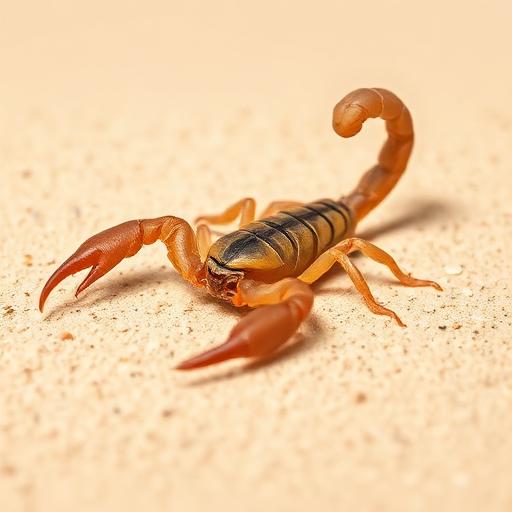
How to identify scorpions
- What it looks like
- Tan to brown arachnids with front pincers and a segmented tail carrying a stinger.
- Size
- 1 to 3 inches
- Where you'll find it
- Block walls, garages, bathrooms, under rocks, pavers and wood piles.
- Commonly confused with
- Pseudoscorpions are tiny and tail-less; whip scorpions have a thin whip instead of a stinger.
Signs of scorpions in your home
- Scorpions glowing under UV blacklight at night
- Sightings in tubs and sinks
- Stings while dressing or in bed
Is it really scorpions? Side-by-side comparisons
Pseudoscorpions are much smaller (2-8 mm), lack a tail and stinger, and possess prominent pincers relative to their body size.
Whip scorpions (e.g., vinegaroons) have a long, thin, whip-like flagellum at the end of their abdomen instead of a segmented tail with a stinger.
Solifugae have very large chelicerae (jaws), lack a true stinger, and move extremely rapidly, often appearing hairy.
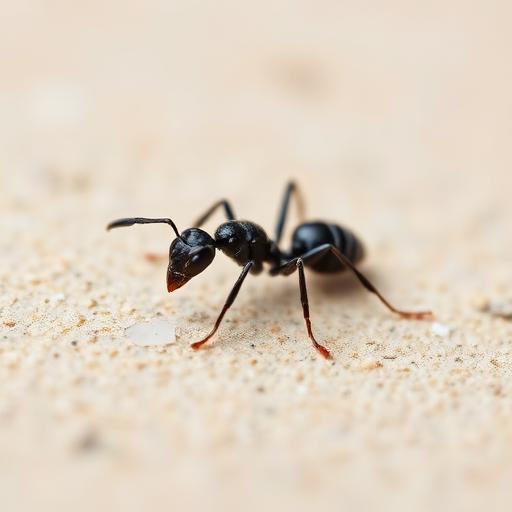
Immature praying mantises have distinct raptorial front legs, large eyes, and lack any form of stinger or prominent pincers.
Regional differences across the U.S.
The Arizona Bark Scorpion (Centruroides sculpturatus) is the most venomous scorpion in North America, prevalent in Arizona, Nevada, and southeastern California. Its presence increases risk in stucco homes with block walls and xeriscaping. Other species like the Stripe-tailed Scorpion (Paravaejovis spinigerus) are widespread across the Southwest. In the Southeast, the Southern Devil Scorpion (Vaejovis carolinianus) is common. While most scorpions seek shelter from extreme temperatures, the specific species and local climate dictate activity patterns. Desert species may be more active during cooler nights in summer, while those in temperate zones show peak activity in warmer months, generally from spring through fall.
Life cycle and timing that changes treatment
Scorpions undergo simple metamorphosis, developing from egg to nymph to adult. Gestation takes several months, with live births occurring typically in late spring to early summer. Nymphs molt multiple times to reach adulthood, a process taking several months to several years depending on species and conditions. Most species produce one brood per year. Overwintering occurs in sheltered locations, with reduced activity during colder months. Control efforts are most effective when targeting active adults and nymphs, particularly in warmer seasons.
How to inspect for scorpions, step by step
- 1
Use a UV black light at night to find glowing scorpions on exterior walls, fences, and landscaping, as their exoskeletons fluoresce.
- 2
Inspect under rocks, landscape timbers, potted plants, and debris piles using a flashlight and sturdy gloves to safely turn objects.
- 3
Examine block wall voids, expansion joints in concrete, and cracks in foundations with a flashlight, focusing on shaded, moist areas.
- 4
Check inside garages, storage sheds, and attics, looking under stored items, boxes, and in undisturbed corners for harborage.
Treatment decision tree
| If you find this | Do this next |
|---|---|
| You observe a single scorpion outdoors, away from the home's immediate foundation. | This indicates normal outdoor activity. Consider general perimeter sealing and debris removal as a preventative measure. |
| You find 1-2 scorpions per month in your garage or infrequently indoors. | This suggests perimeter entry. Focus on sealing cracks, improving door sweeps, and reducing outdoor harborage close to the structure. |
| You find multiple scorpions (3-5) indoors or notice them regularly over several weeks. | This indicates an active infestation. Implement a combination of sealing entry points, harborage reduction, and targeted perimeter pesticide applications. |
| You find numerous scorpions (6+) indoors, especially Arizona Bark Scorpions, or have repeated stings. | This constitutes a significant infestation and high risk. Professional pest control intervention is strongly recommended for effective management. |
| An Arizona Bark Scorpion has stung a child, elderly person, or individual with pre-existing health conditions. | Seek immediate medical attention. While painful, most stings are not life-threatening but vulnerable individuals require professional assessment. |
Where DIY runs out of road
- • Over-the-counter pyrethroid sprays often act as repellents, pushing scorpions into other untreated areas of your home rather than eliminating them.
- • DIY attempts at sealing large or complex entry points like weep holes or poorly sealed block walls are often incomplete, allowing continued scorpion access.
- • Without proper product selection and application techniques, broadcast spraying of non-residual products only provides temporary relief and does not address harborage or breeding sites.
When to call a professional
- • If Arizona Bark Scorpions are consistently found indoors, indicating a high-risk infestation requiring specialized treatment.
- • When scorpion activity persists despite diligent DIY efforts, suggesting hidden populations or inaccessible harborage sites.
- • For properties with complex landscaping, block walls, or structural issues that provide extensive scorpion harborage.
Safety and legal limits
Always read and follow the pesticide label explicitly; it is a legal document. Many effective scorpion insecticides, particularly those with fipronil, are Restricted Use Products not available to homeowners. Homeowners using general-use products must ensure pets and children are not present during application and remain off treated surfaces until dry. Respiratory protection may be necessary for enclosed spaces. Never apply pesticides near water bodies or in a manner that allows runoff. Be aware of state and local regulations regarding pesticide use, especially in areas with sensitive species or environmental concerns. Proper protective equipment, like gloves and long sleeves, is crucial when handling any pesticide.
Scorpions questions homeowners ask
Which scorpions are dangerous?
In the U.S. the Arizona bark scorpion is the only species with medically significant venom; it is slender, light tan and often found climbing walls.
Why are scorpions inside my house?
They follow insects and cool, damp spaces. Gaps under doors and around plumbing are the main entries.
Scorpion control by city
Local technicians handle scorpions in every market below — pick your city for neighborhood coverage, seasonal notes and a free quote.
Related spiders & arachnids pests
Sources and further reading
Guidance on this page is compiled from EPA, CDC and land-grant university extension IPM publications, which are linked in the sources section. It is general information, not a diagnosis or a treatment recommendation for your property.
- Pest Notes: home and landscape pests — University of California Statewide IPM Program
- Pest control and pesticide fact sheets — National Pesticide Information Center (Oregon State University / EPA)
- Integrated Pest Management (IPM) principles — U.S. Environmental Protection Agency
- Safe pest control in and around the home — U.S. Environmental Protection Agency