
Fabric & pantry pests
Silverfish: identification & silverfish control
Silverfish thrive in humid areas and feed on paper, glue, starch and fabric. Treatment combines dehumidification, void dusting and targeted baiting in bathrooms, attics and storage areas.
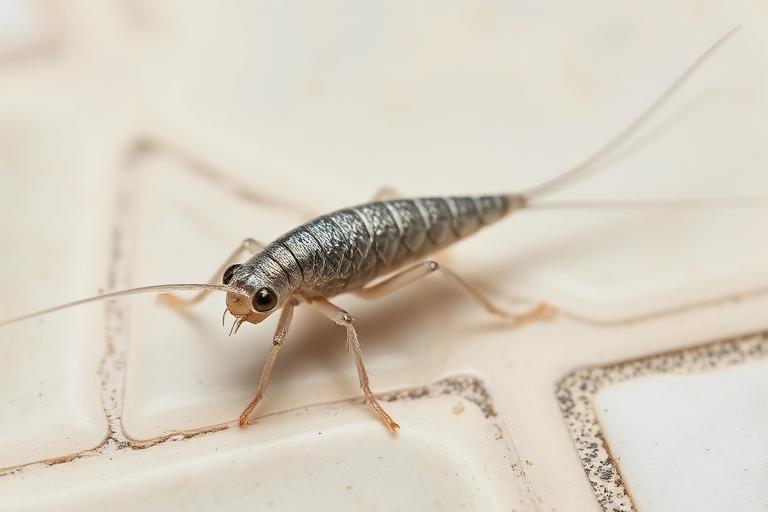
How to identify silverfish
- What it looks like
- Teardrop-shaped, silver-gray, scaly insects with three tail bristles and long antennae.
- Size
- 1/2 to 3/4 inch
- Where you'll find it
- Bathrooms, attics, basements, closets, bookshelves and cardboard storage.
- Commonly confused with
- Firebrats look similar but are mottled and prefer hot areas like water heaters.
Signs of silverfish in your home
- Irregular holes or notches in paper and wallpaper
- Yellow stains on fabric
- Shed skins and pepper-like droppings
Is it really silverfish? Side-by-side comparisons
Silverfish are uniformly silver-gray and prefer cooler, damp environments (e.g., 70-75°F), while firebrats (Thermobia domestica) have a mottled, grayish-brown appearance and thrive in hot, dry areas (e.g., 90-102°F).
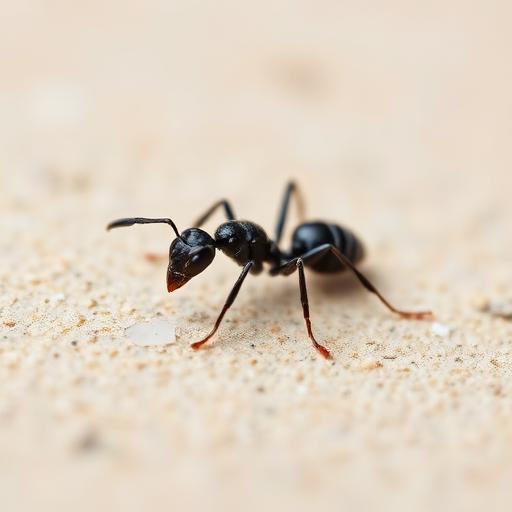
While both have three tail bristles, silverfish lack the prominent, often curved, cerci of bristletails (Archaeognatha order). Silverfish also appear flatter and more elongated.
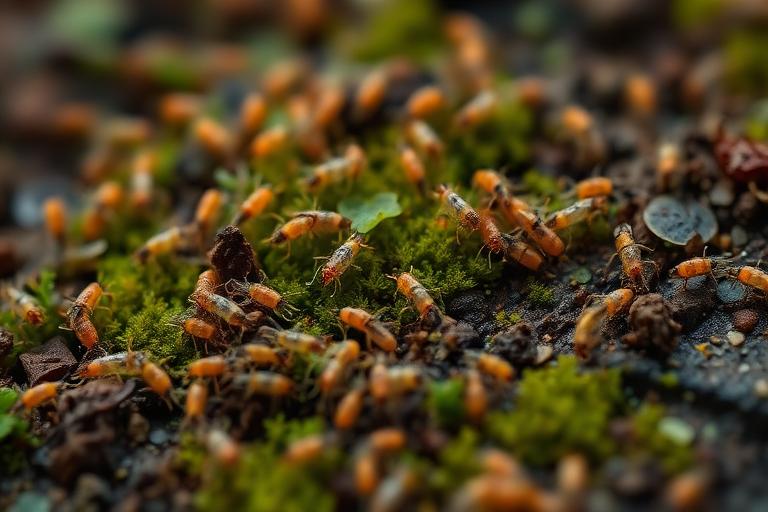
Silverfish are larger (1/2-3/4 inch) and run quickly. Springtails (Collembola) are much smaller (<1/4 inch), often jump when disturbed using a furcula, and are usually found in very damp soil or decaying matter.
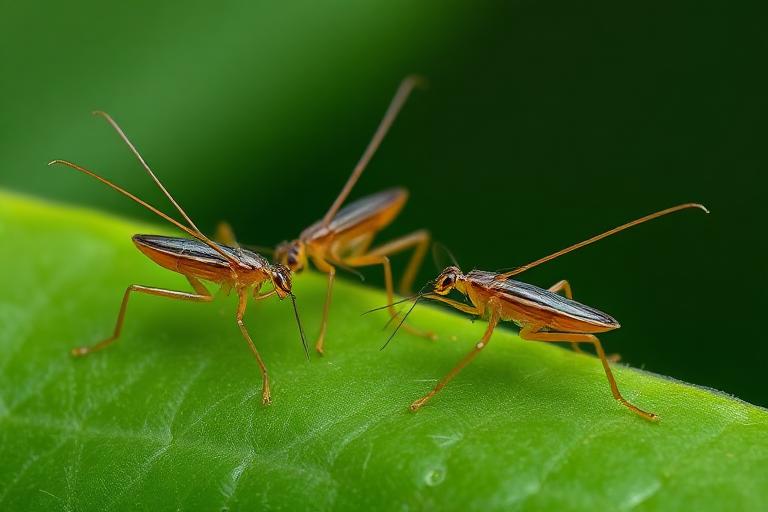
Silverfish are much larger and scaly. Booklice (Psocoptera) are tiny (1-2mm), soft-bodied, often translucent, and lack the distinctive three tail bristles.
Regional differences across the U.S.
Silverfish (Lepisma saccharina) are found nationwide but are particularly prevalent in humid southern states like Florida and Louisiana due to moisture availability. In drier western states, infestations are often linked to irrigated landscapes or leaky plumbing. In northern climates, silverfish activity may decrease significantly in winter, with populations seeking refuge indoors. Construction type impacts risk; homes with crawl spaces or basements are more susceptible to moisture-loving silverfish than slab foundations. Adobe or stucco homes in the Southwest can harbor silverfish in wall voids if moisture is present. Regional precipitation patterns directly influence outdoor populations and subsequent indoor invasions.
Life cycle and timing that changes treatment
Silverfish have an incomplete metamorphosis, progressing through egg, nymph, and adult stages. Eggs hatch in 3-6 weeks, and nymphs mature into adults in 3-24 months, depending on conditions, especially humidity. Adults can live for several years, producing multiple generations. Control efforts are most effective when targeting all life stages, especially before eggs hatch or during periods of active nymphal development. Overwintering occurs as adults and nymphs within structures, resuming activity when temperatures rise.
How to inspect for silverfish, step by step
- 1
Use a flashlight and mirror to inspect dark, undisturbed areas: behind bookshelves, inside cardboard storage boxes, and along baseboards in bathrooms or basements. Look for shed skins or fecal matter.
- 2
Check under sinks and around plumbing fixtures for signs of moisture and silverfish activity. A moisture meter can identify hidden water leaks in walls or floors conducive to silverfish.
- 3
Place glue monitors in suspected high-traffic areas like linen closets, attics, and around water heaters. Monitor weekly to confirm presence and pinpoint infestation hotspots.
- 4
Inspect undisturbed paper products: old books, magazines, and archived documents. Silverfish feed on cellulose and starches, leaving irregular feeding marks or yellow stains.
Treatment decision tree
| If you find this | Do this next |
|---|---|
| You find one or two silverfish in a bathroom or basement weekly. | This indicates a low-level, localized issue. Focus on reducing moisture and sealing cracks. Deploy glue traps to monitor for increases. |
| You consistently find several silverfish (3-5) in multiple rooms. | This suggests a wider, moderate infestation. Implement dehumidification, caulk entry points, and consider targeted applications of silica gel or diatomaceous earth. |
| You discover silverfish damage (e.g., chewed paper, silk, starched fabrics). | Damage confirms an established population. Beyond moisture control, consider insecticidal dusts in voids or baits in secluded areas where feeding is evident. |
| You see silverfish active during daylight hours. | Daytime activity often indicates a large population, as silverfish are primarily nocturnal. This warrants more aggressive control measures and thorough inspection of all potential harborage. |
| You find dozens of silverfish or repeatedly find them after DIY treatments. | This signifies a significant or recalcitrant infestation. Professional pest control is recommended for effective treatment, likely involving targeted residual insecticides and comprehensive moisture management. |
Where DIY runs out of road
- • Over-the-counter sprays often contain repellents, which can scatter silverfish into new areas of your home, exacerbating the problem rather than solving it.
- • DIY foggers or 'bug bombs' are largely ineffective against silverfish, as they cannot penetrate wall voids or other hidden harborage sites where these pests reside.
- • Without addressing underlying moisture issues and sealing entry points, even strong DIY insecticides offer only temporary relief, leading to recurring infestations of this moisture-dependent pest.
When to call a professional
- • Persistent silverfish activity despite consistent DIY efforts to reduce moisture and harborage sites.
- • Evidence of silverfish damage to valuable items, indicating a well-established and growing population.
- • If you suspect silverfish are originating from inaccessible areas like wall voids or extensive attic spaces.
Safety and legal limits
Always read and strictly follow all product label instructions for any pesticide. The label is a legal document, and misuse can be harmful or illegal. Never use restricted-use products unless you are a certified applicator; these are not available to the general public. Ensure proper ventilation during application to minimize respiratory exposure. Keep all pesticides out of reach of children and pets, and follow re-entry intervals specified on the label. Avoid applying insecticides to surfaces that pets or children frequently contact. For silverfish, products like diatomaceous earth or silica gel are generally low-risk but still require careful handling to avoid inhalation, which can cause respiratory irritation.
Silverfish questions homeowners ask
What is the silver bug in my bathroom?
Almost certainly a silverfish — check for the fish-like wiggle and three tail filaments.
Silverfish control by city
Local technicians handle silverfish in every market below — pick your city for neighborhood coverage, seasonal notes and a free quote.
Related fabric & pantry pests pests
Sources and further reading
Guidance on this page is compiled from EPA, CDC and land-grant university extension IPM publications, which are linked in the sources section. It is general information, not a diagnosis or a treatment recommendation for your property.
- Pest Notes: home and landscape pests — University of California Statewide IPM Program
- Pest control and pesticide fact sheets — National Pesticide Information Center (Oregon State University / EPA)
- Integrated Pest Management (IPM) principles — U.S. Environmental Protection Agency
- Safe pest control in and around the home — U.S. Environmental Protection Agency