
Fabric & pantry pests
Pantry pests: identification & pantry pest control
Also known as: Indian meal moths, flour beetles, grain weevils
Pantry pests arrive inside packaged goods and spread through the cabinet. We inspect every package, identify the infested source, clean and treat cracks, and set pheromone monitors to confirm the problem is over.
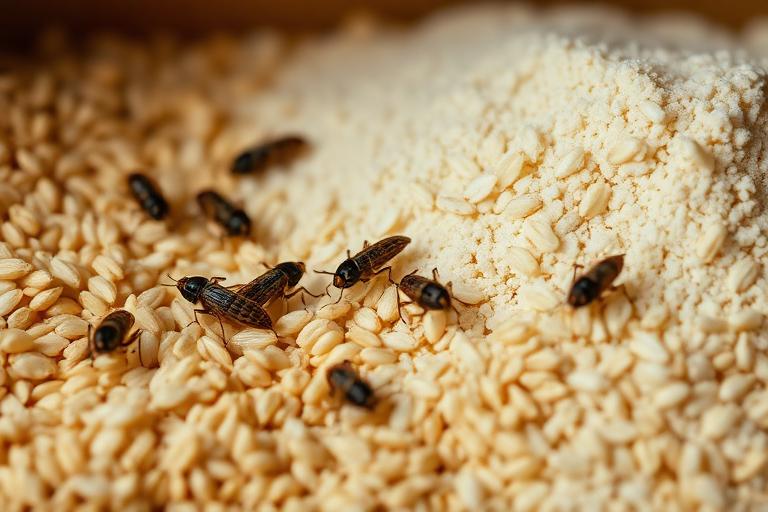
How to identify pantry pests
- What it looks like
- Indian meal moths have bronze-tipped wings; weevils are small dark beetles with a snout; flour beetles are flat reddish-brown.
- Size
- 1/8 to 1/2 inch
- Where you'll find it
- Flour, cereal, rice, pet food, birdseed, spices, dried fruit and pantry shelf cracks.
- Commonly confused with
- Clothes moths avoid light and infest fabric rather than food.
Signs of pantry pests in your home
- Webbing in flour or cereal
- Small moths flying in the kitchen
- Tiny beetles in spice jars
- Larvae crawling on cabinet ceilings
Is it really pantry pests? Side-by-side comparisons
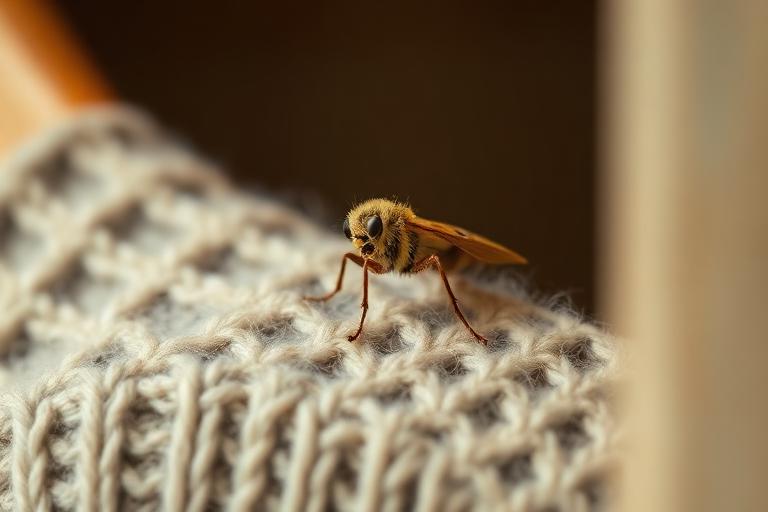
Pantry moths (e.g., Indian meal moth) are attracted to light and food sources, while clothes moths (e.g., webbing clothes moth) avoid light and infest natural fibers.
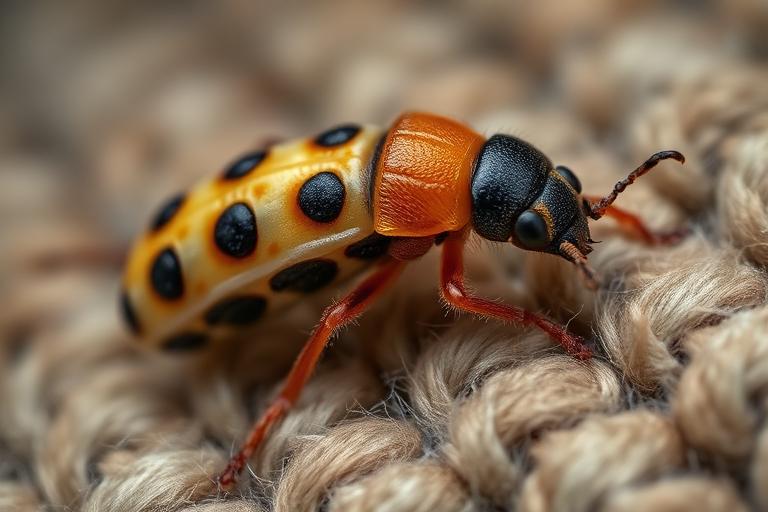
Pantry pests are found directly in food products; carpet beetle larvae, while also fabric pests, are primarily found in lint, pet hair, and animal products.
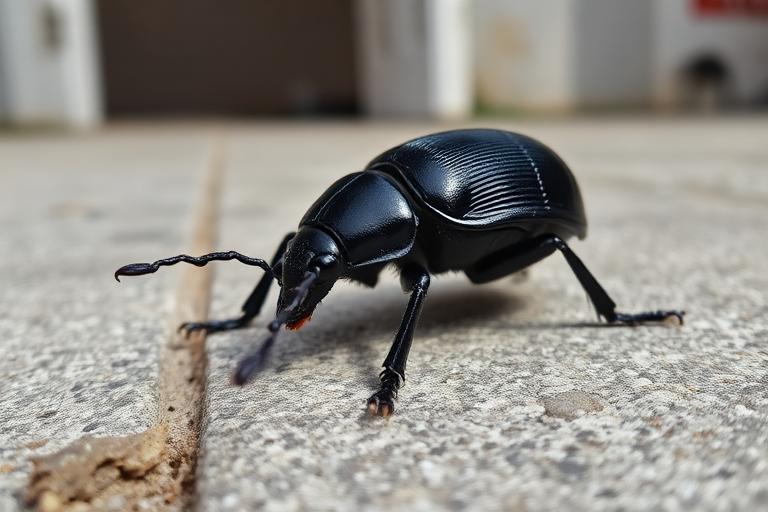
Drugstore beetles (Stegobium paniceum) have antennae with a 3-segmented club and striations on their elytra, unlike the smoother wing covers of many stored product pests.
Cigarette beetles (Lasioderma serricorne) have smooth, unstriated wing covers and serrated antennae, while drugstore beetles have grooved wing covers.
Regional differences across the U.S.
The Indian meal moth (Plodia interpunctella) is prevalent across all US regions, thriving in warm, humid climates found in Southern states like Florida and Texas, which can lead to more generations per year. In arid states such as Arizona, their development might be slower without supplemental humidity. Weevils like the granary weevil (Sitophilus granarius) are widespread, but infestations can be more challenging in the Gulf Coast states due to higher ambient humidity encouraging fungal growth in stored grains. Sawtoothed grain beetles (Oryzaephilus surinamensis) are common nationwide. Regional differences in housing construction, such as older homes with more cracks and crevices, particularly in the Northeast and Midwest, can increase harborage opportunities for these pests, regardless of specific species dominance.
Life cycle and timing that changes treatment
Pantry pests exhibit complete metamorphosis. Indian meal moths complete their life cycle from egg to adult in 27 to 305 days, depending on conditions, typically producing 4-6 generations annually. Weevils and flour beetles generally have shorter lifecycles, often completing development in 30-40 days under ideal conditions, leading to numerous overlapping generations. Most pantry pests do not diapause or overwinter in a specific stage in typical indoor pantry environments, allowing continuous breeding if food sources are available.
How to inspect for pantry pests, step by step
- 1
Check all dry food packaging, especially open bags of flour, rice, cereals, and pet food, for webbing, frass, or live insects. Look for small holes in packaging.
- 2
Inspect pantry shelf crevices and corners using a flashlight at a low angle to reveal hidden larvae, pupae, or adult beetles that might be sheltering.
- 3
Examine spice racks, dried fruit containers, birdseed, and decorative dry arrangements (e.g., potpourri) which can harbor Indian meal moth larvae.
- 4
Place pheromone traps (e.g., those specific for Indian meal moths) near suspected infestation areas to monitor for adult moth activity and pinpoint sources.
Treatment decision tree
| If you find this | Do this next |
|---|---|
| You find a single adult moth or beetle near a pantry item. | Thoroughly inspect the item and surrounding area; dispose of any contaminated food immediately and clean the pantry with soap and water. |
| You observe a few adult moths flying in the kitchen or small beetles on shelves. | Conduct a comprehensive pantry clean-out. Inspect all food items, discard infested ones, and store susceptible foods in airtight containers. |
| You find larvae or pupae in multiple food packages or significant webbing/frass. | Remove all items from the pantry. Vacuum thoroughly, paying attention to cracks. Consider pheromone traps for persistent moth issues. |
| Multiple pantry items across different shelves are actively infested with live insects. | This indicates a widespread infestation. Dispose of all compromised food. Clean and vacuum the pantry extensively. Monitor with traps and consider sealing harborage points. |
| Despite thorough cleaning and disposal, new infestations reappear within weeks. | The source might be hidden or external. A professional pest control operator can identify persistent harborage sites and apply targeted, long-residual treatments. |
Where DIY runs out of road
- • Over-the-counter space sprays offer limited effectiveness against pantry pests as they don't penetrate packaging to kill eggs or larvae within infested food.
- • Relying solely on traps to eliminate an infestation is ineffective; traps only capture adult males and do not address the source of breeding within contaminated food.
- • Ignoring thorough cleaning and source removal while using DIY pesticides can make the problem worse by dispersing pests or contaminating uncontaminated food items.
When to call a professional
- • Persistent infestations despite diligent cleaning and source removal efforts.
- • Infestations extending beyond the pantry into other areas of the home.
- • Identification of uncommon or difficult-to-control stored product pest species.
Safety and legal limits
Always read and follow the pesticide product label completely; it is a legal document. Misuse can lead to ineffective control and potential harm. Avoid using 'restricted-use products' unless you are a licensed applicator. When applying any pesticide, ensure proper ventilation and keep children and pets away from treated areas until dry. Store all pesticides in their original containers, out of reach of children and pets. For pantry pests, prioritize non-chemical methods like source removal, sanitation, and proper food storage before considering any chemical treatment. If chemicals are used, ensure they are labeled for use in food-handling establishments and applied as a crack and crevice treatment only, never directly onto food or food preparation surfaces.
Pantry pests questions homeowners ask
What are the little moths in my kitchen?
Indian meal moths — check flour, pet food and birdseed for webbing and larvae.
Pantry pest control by city
Local technicians handle pantry pests in every market below — pick your city for neighborhood coverage, seasonal notes and a free quote.
Related fabric & pantry pests pests
Sources and further reading
Guidance on this page is compiled from EPA, CDC and land-grant university extension IPM publications, which are linked in the sources section. It is general information, not a diagnosis or a treatment recommendation for your property.
- Pest Notes: home and landscape pests — University of California Statewide IPM Program
- Pest control and pesticide fact sheets — National Pesticide Information Center (Oregon State University / EPA)
- Integrated Pest Management (IPM) principles — U.S. Environmental Protection Agency
- Safe pest control in and around the home — U.S. Environmental Protection Agency