
Fabric & pantry pests
Carpet beetles: identification & carpet beetle control
Carpet beetle larvae feed on wool, pet hair, lint and dead insects in wall voids and under baseboards. We find the source, vacuum thoroughly and treat edges, voids and storage areas.
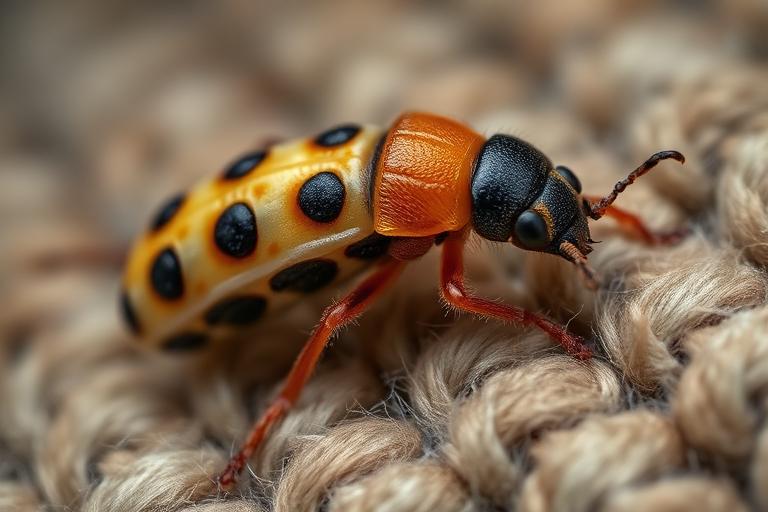
How to identify carpet beetles
- What it looks like
- Adults are round mottled black, white and orange beetles; larvae are tan, bristly and carrot-shaped.
- Size
- 1/8 to 1/4 inch
- Where you'll find it
- Carpet edges, under furniture, closets, air ducts, attics and window sills.
- Commonly confused with
- Bed bug nymphs are smooth and flat; carpet beetle larvae are hairy.
Signs of carpet beetles in your home
- Shed larval skins along baseboards
- Bare patches in wool carpet
- Small round beetles on window sills
Is it really carpet beetles? Side-by-side comparisons
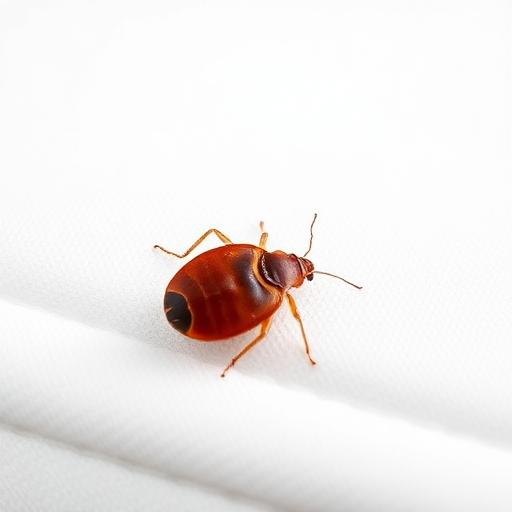
Carpet beetle larvae are distinctly hairy or bristly; bed bug nymphs are smooth-bodied and flat, resembling tiny apple seeds.
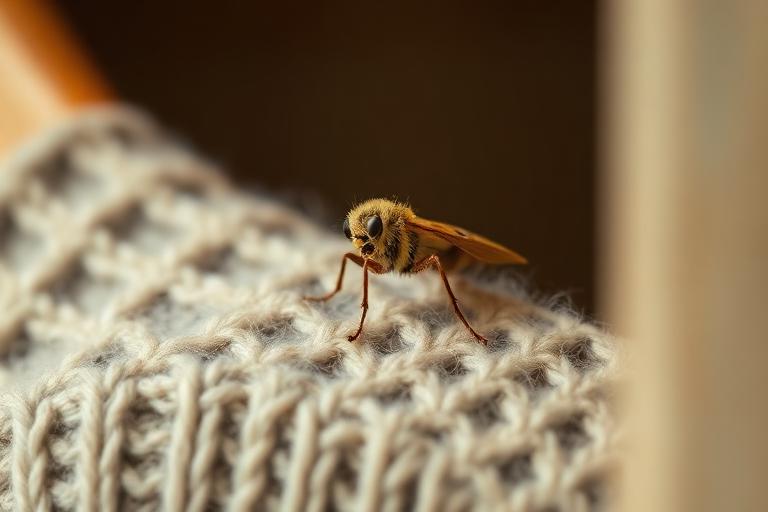
Carpet beetle larvae are carrot-shaped with prominent bristles; clothes moth larvae are smoother, creamy white caterpillars that spin silken tubes or cases.
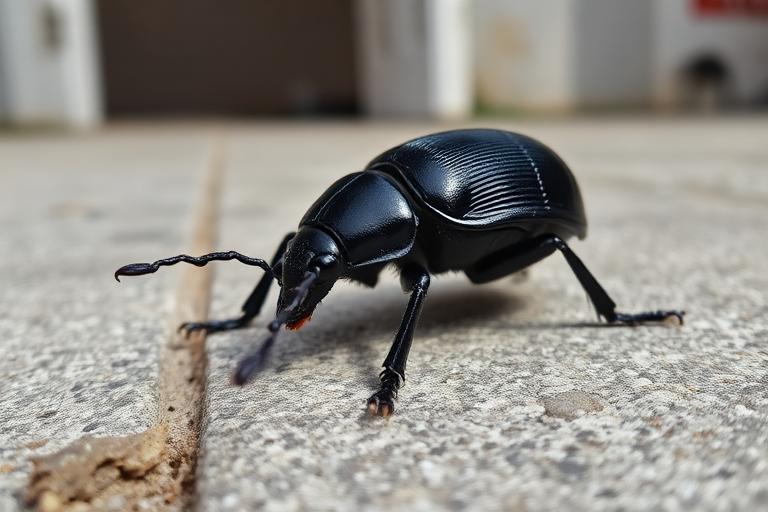
Carpet beetle larvae lack the two prominent spines on the posterior end seen on larder beetle larvae, and are generally smaller.
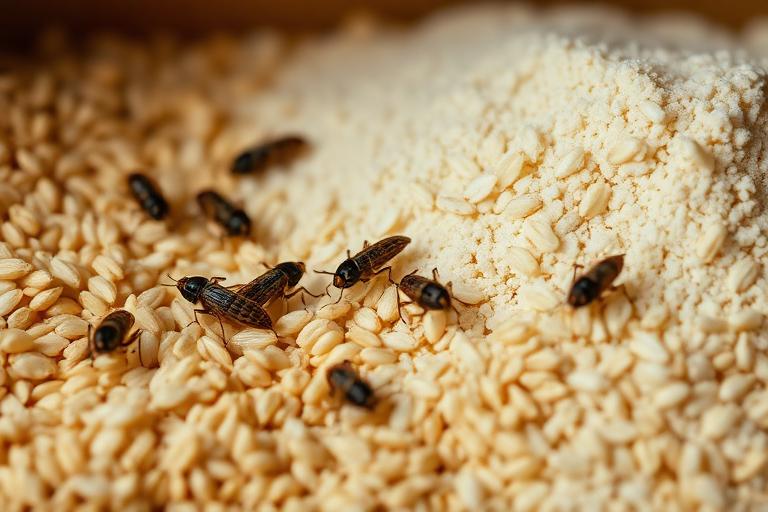
Adult carpet beetles are round and mottled; sawtoothed grain beetles are flattened, elongated, and have distinctive saw-like projections on their thorax.
Regional differences across the U.S.
Several carpet beetle species exist across the US. The varied carpet beetle (Anthrenus verbasci) is widespread, prevalent in all states, and often found indoors. The black carpet beetle (Attagenus unicolor) is also ubiquitous, particularly common in the Midwest and Northeast, and poses significant risk to stored woolens. The furniture carpet beetle (Anthrenus flavipes) prefers warmer, humid climates, making it more common in the Southern states like Florida and Texas, where it can thrive year-round. In contrast, colder climates in the Northern states might see a more distinct seasonal appearance of adults in spring and early summer as they emerge from overwintering sites. Homes with older construction, particularly those with wool insulation or accessible attics with bird nests, are at higher risk in all regions.
Life cycle and timing that changes treatment
Carpet beetles undergo complete metamorphosis. Eggs hatch in 1-2 weeks. Larval development can take 2-12 months, depending on species, food availability, and temperature, typically going through 5-11 instars. Pupation lasts 1-3 weeks. Adults emerge and live for several weeks, primarily to reproduce. There is typically one generation per year, though in ideal indoor conditions, some species may have more. Overwintering usually occurs in the larval stage.
How to inspect for carpet beetles, step by step
- 1
Use a flashlight at a low angle to inspect carpet edges and under area rugs, specifically looking for shed larval skins and fecal pellets.
- 2
Carefully move furniture to inspect the carpet beneath, paying close attention to undisturbed areas where larvae can feed without interruption.
- 3
Examine air ducts and attic spaces for signs of old bird nests or dead insects, which are prime food sources for carpet beetle larvae.
- 4
Inspect window sills and light fixtures for adult beetles, as they are attracted to light and often found dead or alive in these areas.
Treatment decision tree
| If you find this | Do this next |
|---|---|
| You observe 1-2 adult carpet beetles on window sills or near light sources occasionally. | This indicates minor outdoor infiltration or a small, localized indoor issue. Vacuum thoroughly and seal obvious entry points. |
| You find shed larval skins or small, irregular holes in woolens or other natural fibers. | This signifies active larval feeding. Isolate infested items, launder or dry clean, and conduct a detailed inspection of surrounding areas. |
| You frequently discover adult carpet beetles throughout your home, especially in undisturbed areas like closets or under furniture. | This suggests a persistent, likely established indoor population. Expand your inspection to attics, air ducts, and stored items. |
| You notice significant damage to multiple fabric items, or larvae are visible crawling on carpets or furniture. | This indicates a severe infestation. Professional intervention is recommended alongside aggressive cleaning and source removal. |
| Despite thorough cleaning and source removal, larval activity or adult sightings continue and escalate. | Your efforts are insufficient, or the source is not fully identified. This situation warrants immediate professional pest control assessment and treatment. |
Where DIY runs out of road
- • Over-the-counter sprays often provide temporary knockdown but fail to address hidden larval populations or egg sites, leading to recurring infestations.
- • Foggers and 'bug bombs' disperse pesticides widely without penetrating cracks, crevices, or fabric folds where larvae reside, making them largely ineffective for carpet beetles.
- • Relying solely on vacuuming without eliminating the food source or thoroughly cleaning infested articles will only reduce visible larvae, not eradicate the underlying problem.
When to call a professional
- • Persistent or widespread infestations despite thorough DIY cleaning and targeted product application.
- • Discovery of carpet beetle activity in hard-to-reach areas like wall voids or extensive attic spaces.
- • When valuable or heirloom textiles are at risk, requiring precise and effective treatment without damage.
Safety and legal limits
Always read and strictly follow pesticide product labels; it is a federal offense to use a pesticide in a manner inconsistent with its labeling. Many effective carpet beetle treatments include pyrethroids (e.g., permethrin, bifenthrin) or insect growth regulators (IGRs) like methoprene. Ensure proper ventilation during application. Keep children and pets away from treated areas until dry, as some active ingredients can be toxic if ingested or absorbed through skin. Never use restricted-use pesticides without appropriate licensing. Store all pest control products in original containers, out of reach of children and pets. Consider respiratory protection (e.g., N95 mask) when applying dusts or aerosols in confined spaces.
Carpet beetles questions homeowners ask
Are carpet beetles mistaken for bed bugs?
Often — carpet beetle larvae cause itchy rashes for some people but do not bite or feed on blood.
Carpet beetle control by city
Local technicians handle carpet beetles in every market below — pick your city for neighborhood coverage, seasonal notes and a free quote.
Related fabric & pantry pests pests
Sources and further reading
Guidance on this page is compiled from EPA, CDC and land-grant university extension IPM publications, which are linked in the sources section. It is general information, not a diagnosis or a treatment recommendation for your property.
- Pest Notes: home and landscape pests — University of California Statewide IPM Program
- Pest control and pesticide fact sheets — National Pesticide Information Center (Oregon State University / EPA)
- Integrated Pest Management (IPM) principles — U.S. Environmental Protection Agency
- Safe pest control in and around the home — U.S. Environmental Protection Agency