
Fabric & pantry pests
Clothes moths: identification & clothes moth control
Clothes moth larvae eat keratin in wool, silk and fur, usually in undisturbed closets and under furniture. Treatment includes deep vacuuming, targeted crack treatment, pheromone monitoring and storage guidance.
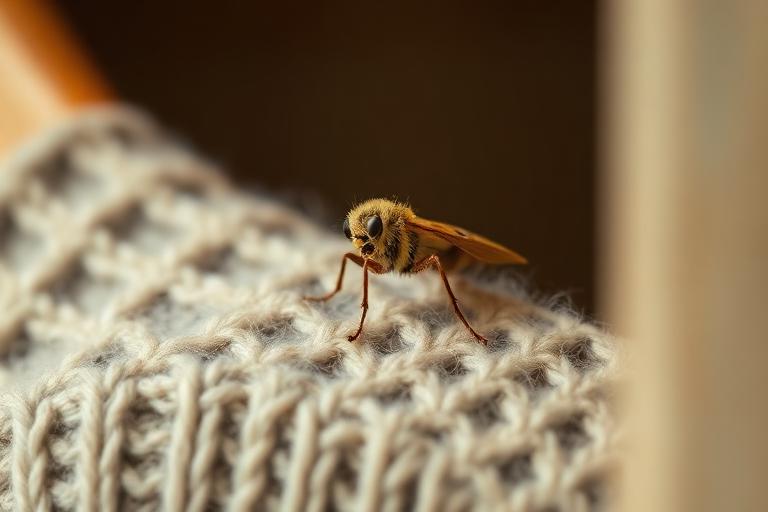
How to identify clothes moths
- What it looks like
- Small buff or golden moths that avoid light; larvae are cream-colored with silk cases.
- Size
- 1/4 to 1/2 inch wingspan
- Where you'll find it
- Closets, wool rugs, under furniture, stored blankets, felt and taxidermy.
- Commonly confused with
- Carpet beetle larvae also damage wool but are bristly and leave shed skins.
Signs of clothes moths in your home
- Irregular holes in wool garments
- Silken tubes or cases on fabric
- Moths fluttering in dark closets
Is it really clothes moths? Side-by-side comparisons
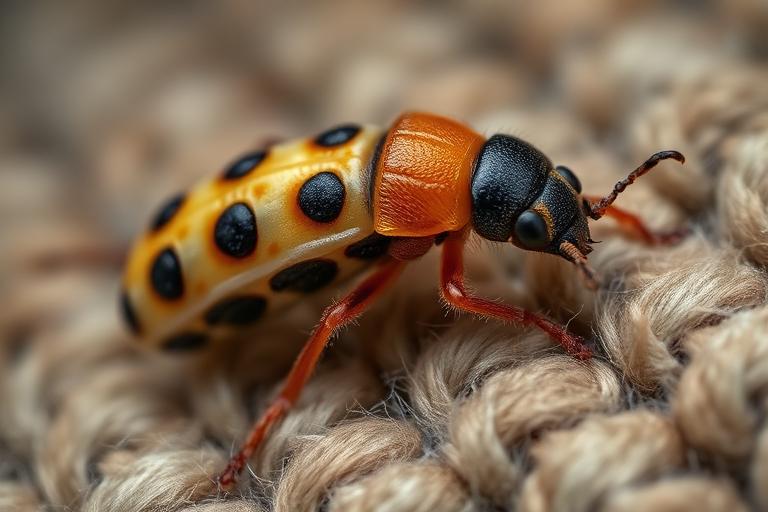
Clothes moth larvae are smooth-bodied and leave fine silk webbing; carpet beetle larvae are bristly and leave behind numerous shed skins.
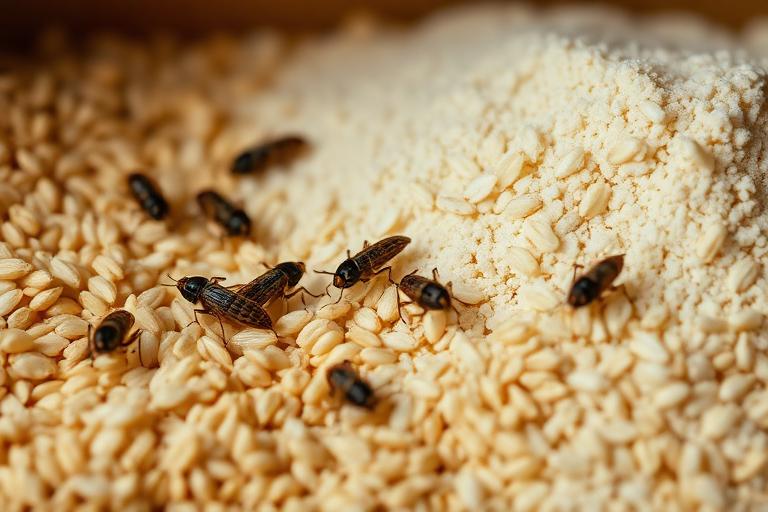
Clothes moths are buff or golden, avoid light, and hide in fabric; pantry moths are bi-colored, attracted to light, and found near food sources.
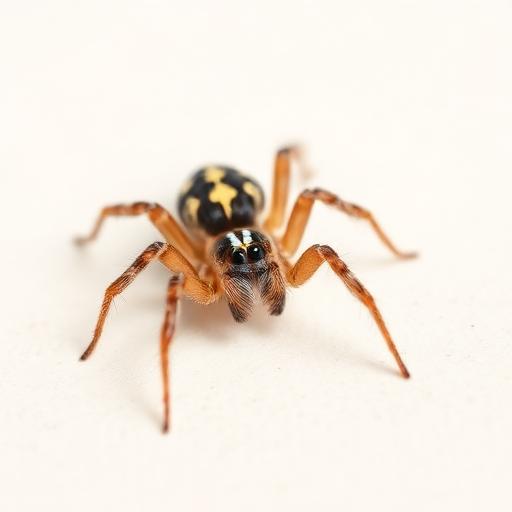
Clothes moths have a distinct moth shape and flight pattern; small spiders have 8 legs and spin webs for prey capture, not for larval cases.
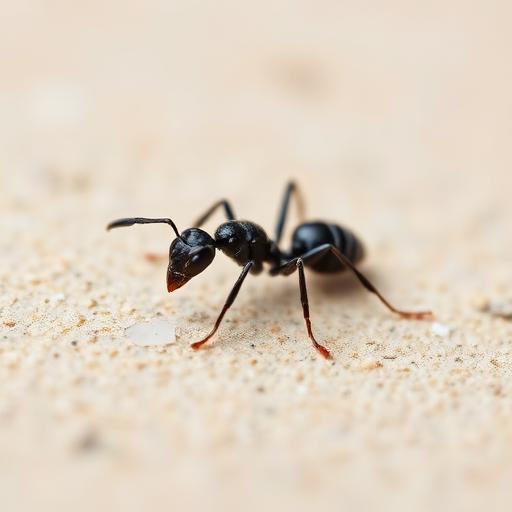
Clothes moth larvae are living, cream-colored, mobile organisms within silk tubes; dust bunnies are static accumulations of lint and debris.
Regional differences across the U.S.
The two primary clothes moth species in the US are the webbing clothes moth (Tineola bisselliella) and the casemaking clothes moth (Tinea pellionella). Webbing clothes moths are ubiquitous across all US states, thriving in undisturbed areas with available natural fibers. Casemaking clothes moths are also widespread but are often more prevalent in southern states like Florida and Texas, potentially due to higher ambient humidity favoring their larval development within their silk cases. Seasonal activity for both species peaks in warmer months (June-September) across most regions, though in climate-controlled homes, infestations can occur year-round. Drier climates, such as in Arizona or Nevada, may see lower overall population densities compared to humid coastal regions. Homes with attics or basements lacking proper climate control or those storing antique textiles are at higher risk.
Life cycle and timing that changes treatment
Clothes moth eggs hatch in 4-10 days. Larval development, the destructive stage, can last 35 days to 2.5 years, depending on food availability and environmental conditions. Pupation takes 1-2 weeks. The entire egg-to-adult cycle typically spans 2-3 months under optimal indoor conditions, allowing for 1-4 generations per year. Overwintering occurs primarily as larvae within infested materials, resuming feeding and development as temperatures rise.
How to inspect for clothes moths, step by step
- 1
Carefully inspect wool rugs by lifting edges and examining the underside, especially in dark, undisturbed areas under furniture, using a flashlight at a low angle.
- 2
Examine stored clothing, blankets, and taxidermy in closets and cedar chests, paying close attention to seams, folds, and areas around buttons for webbing and frass.
- 3
Use a flashlight and magnifying glass to check dark corners of attics and basements near insulation, vents, and stored textiles for larval cases and adult moths.
- 4
Place pheromone glue traps designed for clothes moths in suspected areas to monitor adult moth presence and pinpoint infestation sources over several weeks.
Treatment decision tree
| If you find this | Do this next |
|---|---|
| You find a single adult clothes moth flying near a closet or stored items. | This could be a straggler. Place pheromone traps to confirm presence and conduct a focused inspection of nearby susceptible items. |
| You discover small holes in a wool garment but no live insects. | This indicates past or present larval feeding. Isolate and deep-clean all susceptible items in that area, and monitor with traps. |
| You observe 2-3 adult moths per week on pheromone traps in one room. | An active infestation is likely. Thoroughly inspect all natural fibers in that room and adjacent areas to locate the larval source. |
| You find numerous larvae or extensive webbing and damage on multiple items. | This signifies a well-established infestation. Professional intervention with targeted treatments and source identification is strongly recommended. |
| Infestation persists or spreads to new areas after diligent DIY efforts. | DIY methods are insufficient for this level of infestation. Contact a licensed pest control professional immediately for comprehensive treatment options. |
Where DIY runs out of road
- • Over-the-counter cedar blocks or balls offer limited repellent efficacy and cannot eliminate existing infestations or penetrate deeply into infested materials.
- • Pyrethrin-based 'moth sprays' provide temporary adult knockdown but often fail to reach hidden larvae and eggs, leading to rapid re-infestation after their residual effect diminishes.
- • Freezing small items is often misapplied; inadequate temperatures or durations (e.g., less than 72 hours at 0°F) fail to kill all life stages, allowing populations to rebound.
When to call a professional
- • Presence of widespread damage on multiple textile items, indicating a severe infestation.
- • Persistent moth activity despite thorough cleaning and targeted DIY treatments.
- • Infestation extending into inaccessible areas like wall voids, attics, or under floorboards.
Safety and legal limits
Always read and strictly follow the label instructions of any pesticide product; it is a federal offense to use a product inconsistently with its labeling. Many effective clothes moth treatments, particularly those with residual action, may contain active ingredients requiring careful application to avoid respiratory exposure or skin contact. Ensure pets and children are clear of treated areas until products are dry and ventilation is adequate. Some professional-grade products, like those containing non-repellent fipronil or chlorfenapyr, are not available to homeowners due to their classification and require application by a licensed pest control professional. Improper use can lead to ineffective control, environmental contamination, or harm to non-target organisms.
Clothes moths questions homeowners ask
What is eating holes in my sweaters?
Clothes moth larvae or carpet beetle larvae — look for silk cases (moths) versus bristly shed skins (beetles).
Clothes moth control by city
Local technicians handle clothes moths in every market below — pick your city for neighborhood coverage, seasonal notes and a free quote.
Related fabric & pantry pests pests
Sources and further reading
Guidance on this page is compiled from EPA, CDC and land-grant university extension IPM publications, which are linked in the sources section. It is general information, not a diagnosis or a treatment recommendation for your property.
- Pest Notes: home and landscape pests — University of California Statewide IPM Program
- Pest control and pesticide fact sheets — National Pesticide Information Center (Oregon State University / EPA)
- Integrated Pest Management (IPM) principles — U.S. Environmental Protection Agency
- Safe pest control in and around the home — U.S. Environmental Protection Agency