
Cockroaches
Cockroaches: identification & cockroach control
Cockroaches breed fast and hide in wall voids, appliance motors and drains. Treatment combines gel baits, insect growth regulators and targeted crack-and-crevice application, followed by a sanitation and exclusion plan so they do not return.
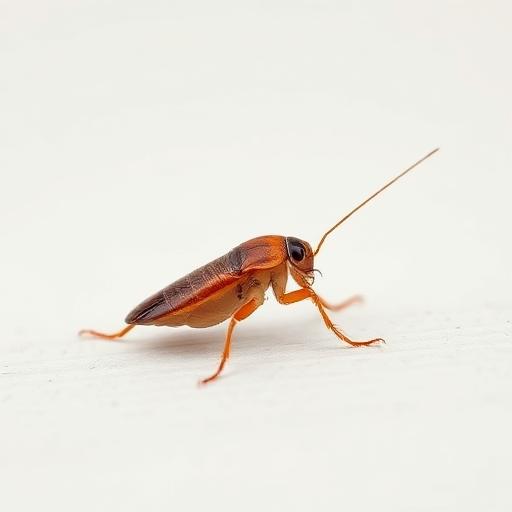
How to identify cockroaches
- What it looks like
- Flat oval bodies, long whip-like antennae, spiny legs and a shield covering the head.
- Size
- 1/2 to 2 inches depending on species
- Where you'll find it
- Behind refrigerators, under sinks, in drains, motors, cardboard and warm wall voids.
- Commonly confused with
- Water bugs and some beetles; true roaches have long antennae and move fast in a straight dash.
Signs of cockroaches in your home
- Pepper-like droppings
- Musty odor
- Egg cases (oothecae) in cabinets
- Roaches scattering when lights turn on
Is it really cockroaches? Side-by-side comparisons
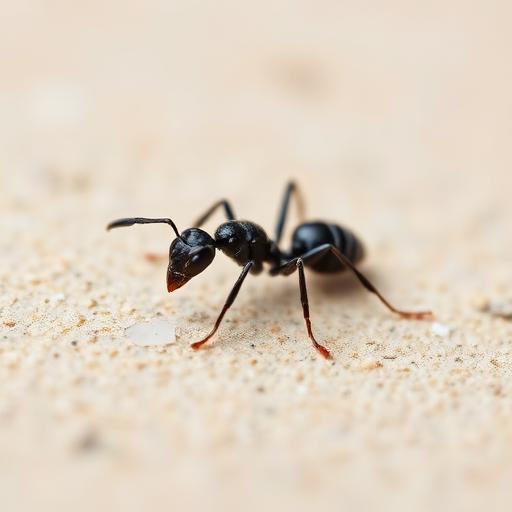
True cockroaches have long, slender, whip-like antennae, while aquatic 'water bugs' have short, inconspicuous antennae and often possess raptorial forelegs.
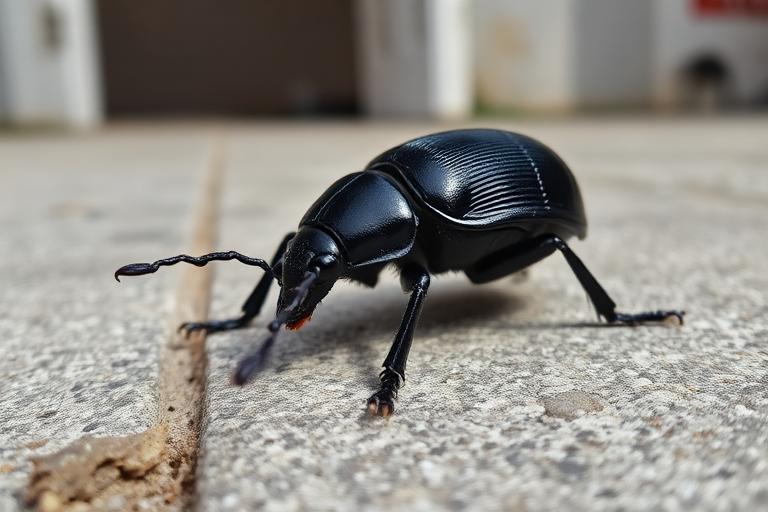
Cockroaches possess a distinct shield-like pronotum covering their head, and their cerci (tail-like appendages) are typically unsegmented, unlike many beetles.
While similar to the American cockroach, Smokybrowns are uniformly dark mahogany to black, lacking the yellowish pronotal markings of the American cockroach.
Wood cockroaches, particularly males, are strong fliers and are attracted to lights, often entering homes by accident; true pest cockroaches rarely fly well and avoid light.
Regional differences across the U.S.
American cockroaches (Periplaneta americana) are prevalent in the southern US, especially Florida and Gulf Coast states, thriving in high humidity and warm climates, often infesting sewers and commercial buildings. German cockroaches (Blattella germanica) are ubiquitous nationwide, but particularly problematic in urban centers across all states due to their rapid reproduction and ability to exploit structural defects in multi-unit dwellings. Brown-banded cockroaches (Supella longipalpa) are more common in drier interior areas like Arizona and New Mexico, preferring warmer, higher locations within structures. Oriental cockroaches (Blatta orientalis) dominate cooler, damp regions of the Pacific Northwest and Northeastern states, frequently found in basements, crawl spaces, and outdoor leaf litter. Seasonal activity generally peaks in warmer months for most species, though indoor German cockroach populations are constant.
Life cycle and timing that changes treatment
Cockroaches undergo incomplete metamorphosis: egg, nymph, adult. German cockroaches have the fastest lifecycle, maturing from egg to adult in approximately 50-60 days under ideal conditions, producing multiple generations annually (5-6). American cockroaches take longer, 6-12 months. Egg cases (oothecae) are often hidden in cracks and crevices. Overwintering occurs as nymphs or adults in protected indoor environments or deep within outdoor harborage, allowing year-round indoor activity in heated structures.
How to inspect for cockroaches, step by step
- 1
Use a strong flashlight and a mirror to check behind and under appliances like refrigerators, stoves, and dishwashers, focusing on motor housings and condensation pans.
- 2
Inspect kitchen and bathroom cabinets, paying close attention to corners, drawer slides, and behind kick plates, looking for droppings (fecal smears or 'frass') and oothecae.
- 3
Deploy glue monitors (sticky traps) in inconspicuous areas along walls, under sinks, and near known harborage points overnight to assess population size and species.
- 4
Examine wall voids, especially around plumbing penetrations and electrical outlets, using an endoscope if available, or looking for gaps where pests could enter.
Treatment decision tree
| If you find this | Do this next |
|---|---|
| You observe a single cockroach in a relatively clean area, especially in daylight. | This may indicate an isolated 'hitchhiker' or explorer. Increase vigilance, inspect surrounding areas, and consider placing a few glue monitors to confirm absence of further activity. |
| You find droppings or a few nymphs, but no active adults, during a routine clean-up. | This suggests an early-stage infestation or residual activity. Implement improved sanitation, seal obvious entry points, and strategically place bait stations or desiccant dusts. |
| You see several adult cockroaches, particularly German cockroaches, active in the kitchen at night. | This indicates an active, reproducing population. A multi-pronged approach using baits, insect growth regulators (IGRs), and targeted crack-and-crevice treatments is necessary. |
| You observe cockroaches during the day, or in multiple rooms beyond the kitchen/bathrooms. | This signifies a high-density infestation, likely pushing pests out of preferred harborage due to overcrowding. Immediate, aggressive treatment with professional-grade products is warranted. |
| Residents in attached units (apartments, condos) report concurrent cockroach sightings. | This indicates a shared building-wide infestation requiring coordinated treatment across multiple units and common areas. A professional pest management service is essential for effective control. |
Where DIY runs out of road
- • Over-the-counter repellent sprays often scatter cockroaches, causing them to spread to new areas of the home and making future control more difficult.
- • Foggers and 'bug bombs' rarely penetrate deep harborage sites where cockroaches hide, providing minimal control and potentially contaminating surfaces unnecessarily.
- • Generic baits lack the palatability or potency of professional formulations, leading to bait aversion and ineffective population reduction, especially with German cockroaches.
When to call a professional
- • Persistent cockroach activity after diligent DIY efforts, indicating a well-established or widespread infestation.
- • Discovery of cockroach populations in difficult-to-reach areas like wall voids, appliance motors, or sewer lines.
- • Presence of certain species (e.g., American cockroaches) in multi-unit dwellings or if health concerns arise due to severe infestation.
Safety and legal limits
Always read and strictly follow all pesticide label instructions, as the label is a legal document. Misuse can lead to ineffective results, environmental contamination, or harm to humans and non-target organisms. Some potent insecticides, including certain organophosphates or restricted-use pyrethroids, are only available to licensed professionals. When using any pesticide, ensure adequate ventilation. Keep children and pets away from treated areas until dry. Store all pesticides in their original containers, out of reach of children and pets, in a locked cabinet. Avoid applying pesticides to food preparation surfaces or near sensitive aquatic environments. For sensitive individuals, consider non-chemical methods first or consult a professional who can apply targeted, low-risk treatments.
Cockroaches questions homeowners ask
What kind of cockroach do I have?
Small tan roaches with two dark stripes are German cockroaches; large reddish-brown roaches are American cockroaches; shiny near-black roaches in basements are Oriental cockroaches.
Does seeing one roach mean an infestation?
Usually yes for German cockroaches, since they hide in groups. A single large roach can be an outdoor wanderer, but repeat sightings mean a harborage nearby.
Cockroach control by city
Local technicians handle cockroaches in every market below — pick your city for neighborhood coverage, seasonal notes and a free quote.
Related cockroaches pests
Sources and further reading
Guidance on this page is compiled from EPA, CDC and land-grant university extension IPM publications, which are linked in the sources section. It is general information, not a diagnosis or a treatment recommendation for your property.
- Cockroaches, pests and indoor asthma triggers — U.S. Centers for Disease Control and Prevention
- Pest Notes: home and landscape pests — University of California Statewide IPM Program
- Integrated Pest Management (IPM) principles — U.S. Environmental Protection Agency
- Safe pest control in and around the home — U.S. Environmental Protection Agency