
Termites & wood pests
Drywood termites: identification & drywood termite control
Drywood termites live entirely inside dry wood with no soil contact, so localized injection, spot treatment or whole-structure fumigation is required depending on spread.
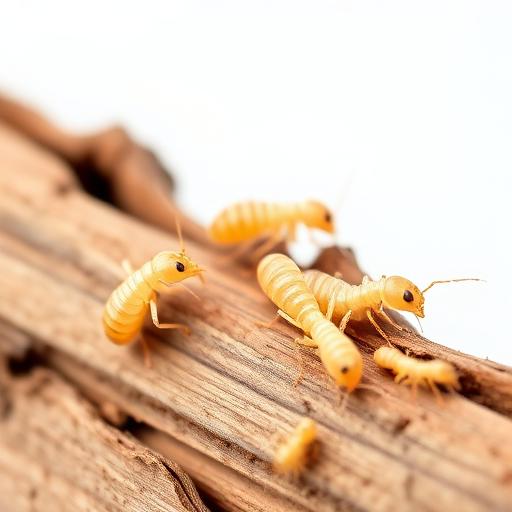
How to identify drywood termites
- What it looks like
- Pale to dark brown termites; swarmers have smoky or clear wings and are seen indoors.
- Size
- 3/8 to 1/2 inch swarmers
- Where you'll find it
- Attic framing, eaves, window frames, hardwood furniture and door jambs.
- Commonly confused with
- Subterranean termites leave mud tubes and no pellet piles.
Signs of drywood termites in your home
- Small hexagonal fecal pellets that look like sand or coffee grounds
- Tiny kick-out holes
- Blistered paint
- Swarmers indoors
Is it really drywood termites? Side-by-side comparisons
Drywood termites excavate smooth, clean galleries and produce diagnostic hexagonal fecal pellets (frass), unlike the muddy tunnels of subterranean species.
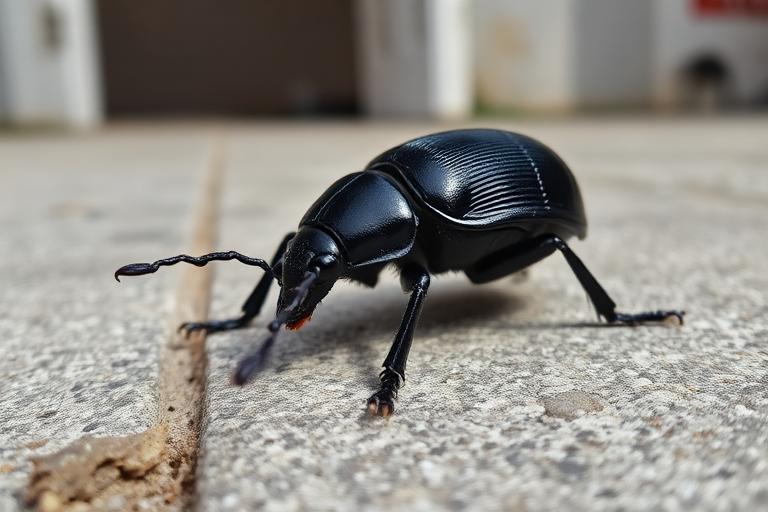
Beetle exit holes are typically round or oval with powdery frass; drywood termites leave kick-out holes for pellets, but not large exit holes.
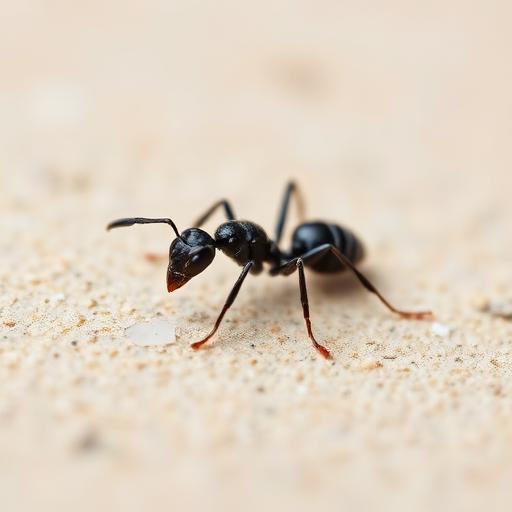
Carpenter ants create galleries that are meticulously clean and smooth, but they do not consume wood or produce fecal pellets like drywood termites.
Dampwood termites are larger, require high moisture content, and produce larger, irregularly shaped fecal pellets without the distinct hexagonal drywood shape.
Regional differences across the U.S.
In the arid Southwest, particularly Arizona and Southern California, the Western drywood termite (Incisitermes minor) is prevalent. Swarmers are active from late summer to fall. In Florida and the Gulf Coast states, the Southeastern drywood termite (Incisitermes snyderi) and the West Indian drywood termite (Cryptotermes brevis) are common, with swarmers appearing in spring and early summer or late spring to early fall, respectively. Coastal regions, with higher humidity and older wooden structures, face increased risk. Traditional adobe and stucco homes in the Southwest, or wood-framed homes in the Southeast, offer ample harborage. Construction factors like exposed rafter tails and eaves are common entry points in both regions.
Life cycle and timing that changes treatment
Drywood termites undergo simple metamorphosis: egg, nymph, and adult. Eggs hatch into nymphs, which develop through several instars to become workers, soldiers, and reproductives (swarmers). A colony takes several years to mature and produce swarmers. There is no distinct worker caste; nymphs perform foraging and wood consumption. A single generation can last several years, with continuous development within the wood. Control efforts are most effective when colonies are smaller and before extensive damage or swarmer production.
How to inspect for drywood termites, step by step
- 1
Use a bright flashlight at a low angle to inspect attic framing, eaves, and window sills for small (1-2mm) kick-out holes and piles of diagnostic hexagonal fecal pellets.
- 2
Tap on wooden beams, door frames, and furniture with a screwdriver handle; hollow sounds or crumbling wood indicate internal tunneling typical of drywood termites.
- 3
Examine hardwood furniture, antique pieces, and wooden decorative items for fine sawdust-like frass or small pinholes on the surface, especially near joints.
- 4
Inspect exterior wooden elements like fascia boards, soffits, and exposed rafter tails for signs of damage or pellets, as swarmers often enter here.
Treatment decision tree
| If you find this | Do this next |
|---|---|
| You observe 1-2 drywood termite swarmers indoors during their regional flight season (e.g., late summer in CA, spring/early summer in FL). | This indicates a localized infestation, potentially early stage. Collect a specimen for identification and consult a pest professional for inspection. |
| You find small piles of hexagonal fecal pellets (frass) on windowsills, floors, or within furniture. | This is a strong indicator of an active drywood termite infestation. Mark the area and contact a pest control professional for a thorough inspection. |
| You notice hollow-sounding or crumbling wood in structural components like door frames, window sills, or attic rafters. | This suggests significant internal damage. Isolate the area if possible and seek immediate professional assessment to determine the extent of infestation. |
| Multiple swarmers are emerging from several locations within your home, or large frass piles are present. | This signifies a widespread, active drywood termite infestation. Professional intervention, possibly involving whole-structure treatment, is highly recommended. |
| You observe swarmers and frass, and detect damage in multiple, non-contiguous areas of the home, including difficult-to-access locations like attics or wall voids. | This indicates a severe, established infestation likely requiring comprehensive professional treatment, such as fumigation or extensive localized treatments. |
Where DIY runs out of road
- • Over-the-counter spot treatments for drywood termites often fail to reach entire colonies hidden within wood, leading to ongoing, undetected damage.
- • DIY drilling and injecting can spread infestations if not done precisely, and improper product application can compromise structural integrity or expose occupants to chemicals.
- • Fumigation, the most effective whole-structure treatment for drywood termites, requires specialized equipment and restricted-use chemicals unavailable to homeowners, making DIY attempts futile.
When to call a professional
- • You suspect drywood termites in structural components (e.g., attic, walls) where damage can be extensive and difficult to access.
- • You find evidence of termites (swarmers, frass) in multiple, non-contiguous areas of your home, indicating a widespread infestation.
- • Previous DIY treatments have failed, or you require a whole-structure treatment option like fumigation for comprehensive eradication.
Safety and legal limits
Always read and follow the pesticide label explicitly; it is a legal document. Misuse can lead to ineffective control, harm to non-target organisms, or human exposure. Many effective termiticides for drywood termites, such as those containing sulfuryl fluoride, are Restricted Use Products and may only be applied by licensed professionals. For homeowners using over-the-counter products, ensure adequate ventilation. Keep children and pets away from treated areas until dry. Avoid inhalation of dusts or sprays by wearing appropriate personal protective equipment, such as gloves and a respirator. Never apply products near open flames or ignition sources. Properly dispose of unused product and empty containers as per label instructions and local regulations.
Drywood termites questions homeowners ask
What are the tiny sand-like pellets on my windowsill?
Drywood termite frass kicked out of the gallery above — a classic sign of an active colony inside the wood.
Drywood termite control by city
Local technicians handle drywood termites in every market below — pick your city for neighborhood coverage, seasonal notes and a free quote.
Related termites & wood pests pests
Sources and further reading
Guidance on this page is compiled from EPA, CDC and land-grant university extension IPM publications, which are linked in the sources section. It is general information, not a diagnosis or a treatment recommendation for your property.
- Termites: how to identify and control them — U.S. Environmental Protection Agency
- Pest Notes: home and landscape pests — University of California Statewide IPM Program
- Integrated Pest Management (IPM) principles — U.S. Environmental Protection Agency
- Safe pest control in and around the home — U.S. Environmental Protection Agency