
Termites & wood pests
Old house borers: identification & old house borer control
Also known as: woodworm, longhorned beetles
Old house borer larvae tunnel in softwood framing for years and can be heard rasping inside walls. We confirm activity, treat with borates and evaluate whether the affected framing needs reinforcement.
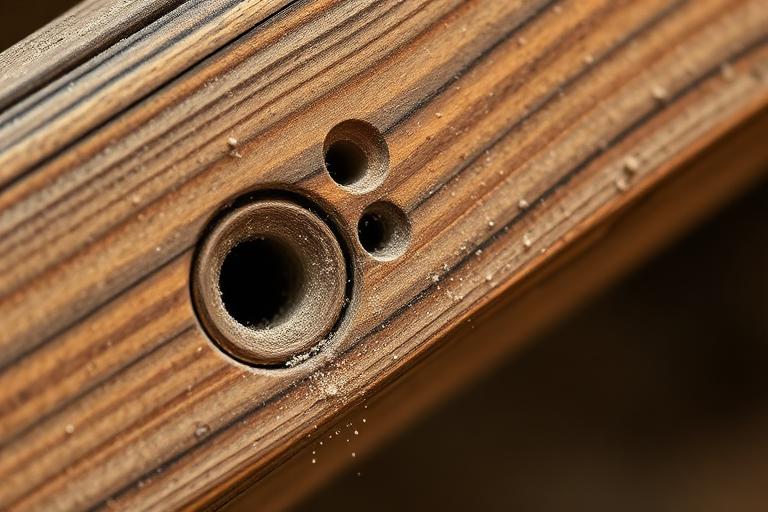
How to identify old house borers
- What it looks like
- Large brown-black beetles with very long antennae; larvae are cream-colored grubs.
- Size
- 5/8 to 1 inch adults
- Where you'll find it
- Softwood framing, crawl space joists, attic rafters and newer pine construction.
- Commonly confused with
- Powderpost beetles leave smaller round holes and floury dust.
Signs of old house borers in your home
- Oval exit holes about 1/4 inch wide
- Rasping or ticking inside walls
- Powdery frass packed in galleries
- Rippled wood surface
Is it really old house borers? Side-by-side comparisons
Old house borer exit holes are larger (1/4 to 3/8 inch), oval, and produce coarse, sawdust-like frass. Powderpost beetles create smaller, circular holes and fine, flour-like frass.
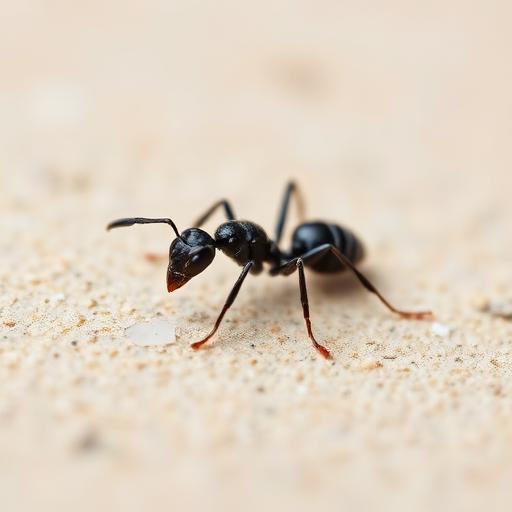
Old house borers create tunnels filled with frass, often audible as a 'rasping' sound. Carpenter ants excavate galleries that are clean and smooth, with no frass within the tunnels.
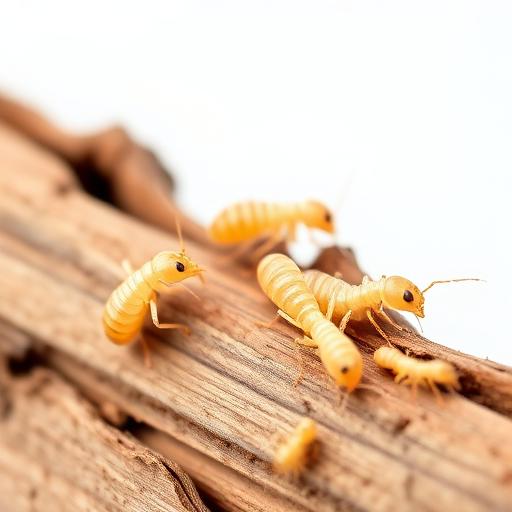
Old house borers leave distinct exit holes in wood with coarse frass. Subterranean termites construct mud tubes on surfaces and consume wood from the inside out, leaving outer shell intact.
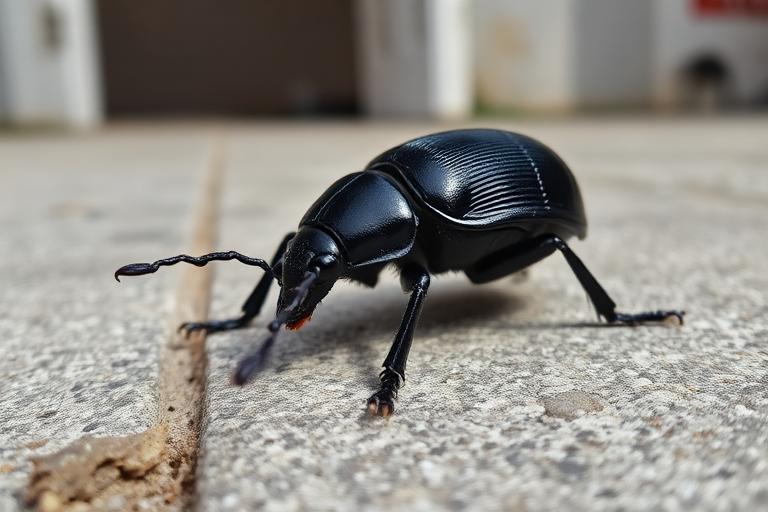
Old house borer larvae produce a distinctive 'rasping' sound as they chew. Deathwatch beetles make a 'ticking' sound, especially in quiet conditions, often associated with older hardwood structures.
Regional differences across the U.S.
Old house borers (Hylotrupes bajulus) are most prevalent in the Mid-Atlantic and Southeastern United States, from Maryland down through Florida and west to Texas, thriving in warmer, humid climates. Infestations are also common in the Pacific Northwest, particularly in coastal areas of Washington and Oregon, due to the prevalence of softwood construction. While widespread, their destructive activity is more pronounced in regions with unseasoned or poorly kiln-dried lumber, often impacting homes built in the last 10-15 years. Activity typically peaks in late spring and summer, particularly June and July, when adult beetles emerge, although larvae can cause damage year-round within infested wood, regardless of outdoor temperatures.
Life cycle and timing that changes treatment
Old house borer eggs are laid in wood crevices and hatch into cream-colored larvae within a few weeks. The larval stage, responsible for all wood damage, can last 2-10 years, depending on wood moisture and nutrient content, making infestations long-term. Pupation occurs within the wood, lasting 1-3 weeks. Adults emerge from exit holes, live only a few weeks, primarily to mate and lay eggs, and do not feed. There is typically one generation per year, with emergence in summer.
How to inspect for old house borers, step by step
- 1
Use a flashlight at a low angle to spot oval exit holes (1/4 to 3/8 inch) and coarse frass piles on unfinished wood surfaces like crawl space joists and attic rafters.
- 2
Tap suspected wood with a hammer handle; hollow sounds or crumbling surfaces indicate internal damage. Probe soft spots with an awl.
- 3
Listen for audible 'rasping' or 'chewing' sounds coming from within wooden structures, particularly in quiet areas like attics or crawl spaces.
- 4
Utilize a moisture meter to check wood moisture content in framing lumber; high moisture levels (above 20%) increase susceptibility to old house borer activity.
Treatment decision tree
| If you find this | Do this next |
|---|---|
| You hear faint, intermittent 'rasping' sounds coming from a specific piece of unfinished wood in your attic or crawl space. | This suggests active larval feeding. Isolate the sound source and inspect closely for frass or new exit holes. Consider localized treatment or wood replacement for minimal activity. |
| You find a single or few adult old house borers indoors, but no other signs of damage or frass. | This could indicate a localized or emerging infestation. Conduct a thorough inspection of unfinished wood near the sighting, especially in attics or crawl spaces, looking for exit holes or frass. |
| You observe a few small piles of coarse sawdust-like frass and 1-2 oval exit holes on a single wooden beam or joist. | This indicates an active but possibly contained infestation. Consult with a pest management professional for assessment and targeted treatment options, such as borate application or fumigation. |
| You notice multiple adult old house borers emerging, along with numerous exit holes and significant frass accumulation across several structural wood elements. | This suggests a widespread and active infestation requiring immediate professional intervention. Contact a pest control expert experienced in wood-destroying insect control for a comprehensive treatment plan. |
| You discover widespread structural damage, including severe tunneling, crumbling wood, and continuous 'rasping' sounds throughout your home's framing. | This is a severe, active, and potentially structurally compromising infestation. Immediately contact a structural engineer in addition to a licensed pest management professional for assessment, treatment, and potential structural repairs. |
Where DIY runs out of road
- • Over-the-counter insecticides are generally ineffective for old house borers, as they cannot penetrate deeply enough into wood to reach feeding larvae. Surface sprays will not control hidden infestations.
- • DIY attempts at sealing exit holes or painting over damage do not eliminate the hidden larvae and can mask the extent of an active infestation, delaying proper treatment.
- • Improper application of borate treatments by homeowners can lead to insufficient penetration or uneven coverage, allowing larvae to survive in untreated areas of the wood.
When to call a professional
- • Audible 'rasping' or 'chewing' sounds from within structural wood, indicating active larval feeding.
- • Multiple old house borer exit holes and coarse frass on several structural timbers in attics or crawl spaces.
- • Any signs of structural damage or compromised wood integrity attributed to wood-boring insects.
Safety and legal limits
Always read and strictly follow pesticide product labels, as they are federal law. For old house borers, professional-grade borate products or fumigants often contain restricted-use active ingredients and require application by a licensed pest control operator to ensure efficacy and safety. Homeowners using DIY products must wear appropriate personal protective equipment (PPE), including gloves, eye protection, and a respirator, to avoid inhalation or skin exposure, particularly when working in enclosed spaces like attics or crawl spaces. Ensure children and pets are not present during and immediately after application of any pest control product, and follow re-entry intervals specified on the label.
Old house borers questions homeowners ask
What is the ticking sound inside my wall?
Wood-boring beetle larvae chewing through framing — old house borers are the most common culprit in softwood.
Old house borer control by city
Local technicians handle old house borers in every market below — pick your city for neighborhood coverage, seasonal notes and a free quote.
Related termites & wood pests pests
Sources and further reading
Guidance on this page is compiled from EPA, CDC and land-grant university extension IPM publications, which are linked in the sources section. It is general information, not a diagnosis or a treatment recommendation for your property.
- Termites: how to identify and control them — U.S. Environmental Protection Agency
- Pest Notes: home and landscape pests — University of California Statewide IPM Program
- Integrated Pest Management (IPM) principles — U.S. Environmental Protection Agency
- Safe pest control in and around the home — U.S. Environmental Protection Agency