
Termites & wood pests
Dampwood termites: identification & dampwood termite control
Dampwood termites need consistently wet wood, so control starts with the leak or grade problem. We treat infested members, remove damaged wood and correct the moisture source.
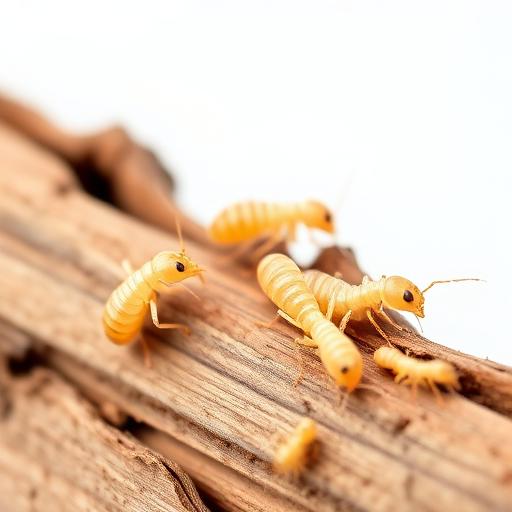
How to identify dampwood termites
- What it looks like
- Large cream to reddish-brown termites; swarmers are notably larger than subterranean species.
- Size
- 1/2 to 3/4 inch swarmers
- Where you'll find it
- Water-damaged framing, deck posts, tree stumps, leaking bathrooms and crawl spaces.
- Commonly confused with
- Subterranean termites are smaller and build mud tubes.
Signs of dampwood termites in your home
- Fecal pellets packed into galleries
- Smooth wide galleries in wet wood
- Large swarmers near lights
Is it really dampwood termites? Side-by-side comparisons
Dampwood swarmers are significantly larger (1/2-3/4 inch) with reddish-brown heads, compared to the 3/8-inch, dark-bodied subterranean swarmers.
Dampwood termites do not build mud tubes; they live entirely within the wood and kick out distinctive fecal pellets.
Dampwood termites are much larger than drywood termites (which are typically less than 1/2 inch) and require wood with higher moisture content.
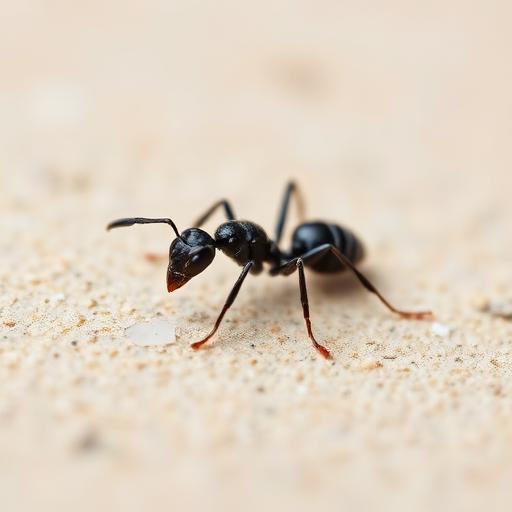
Dampwood termites have thick waists and straight antennae; carpenter ants have constricted waists and elbowed antennae.
Regional differences across the U.S.
Dampwood termites (family Archotermitidae) are most prevalent in the Pacific Northwest, with <i>Zootermopsis angusticollis</i> and <i>Z. nevadensis</i> common from northern California to British Columbia. Further east, particularly in the arid Southwest (Arizona, New Mexico), <i>Paraneotermes simplicicornis</i> is found. In the Southeast, <i>Neotermes castaneiceps</i> occurs in Florida and coastal Georgia. The higher humidity and abundant decaying wood in these regions, combined with frequent rainfall, create ideal conditions. Infestations are often linked to homes with poor drainage, consistent plumbing leaks, or direct wood-to-soil contact in foundations or decks. Swarming activity generally occurs in late summer or fall in the Pacific Northwest, but can extend into winter in warmer Southern climates, particularly after significant rainfall.
Life cycle and timing that changes treatment
Dampwood termites have an incomplete metamorphosis, progressing through egg, nymph, and adult stages. A colony develops slowly, taking several years to mature, and produces one generation per year. Swarmers are produced from mature colonies, typically in late summer to fall, but can emerge year-round in continuously warm, moist conditions. Nymphs overwinter within the infested wood, continuing to feed slowly. There is no distinct worker caste; nymphs perform foraging and wood-damaging activities.
How to inspect for dampwood termites, step by step
- 1
Carefully inspect deck posts, wooden window frames, and doorframes for softening or discoloration using a screwdriver to probe suspect areas.
- 2
Utilize a flashlight at a low angle to examine baseboards and subflooring for small, kick-out holes and piles of characteristic large, hard, hexagonal fecal pellets.
- 3
Use a moisture meter to check wooden structural components, especially near plumbing fixtures, showers, and exterior walls, for sustained readings above 20%.
- 4
Inspect tree stumps, fallen logs, and old landscaping timbers adjacent to the home for signs of galleries or the presence of large nymphs/soldiers.
Treatment decision tree
| If you find this | Do this next |
|---|---|
| You find a few isolated dampwood swarmer wings on a windowsill indoors, with no other signs of activity. | This could indicate a localized, minor infestation. Thoroughly inspect the immediate area for moisture issues and wood damage. |
| You discover small piles of dampwood fecal pellets near a window frame or wooden trim in an infrequently used bathroom. | This suggests active feeding. Inspect the surrounding wood for softness and use a moisture meter to assess if a localized moisture source is present. |
| You probe a deck post or wooden support in a crawl space and find soft, tunneled wood with large, cream-colored termites inside. | This confirms an active, structural infestation. Isolate the moisture source immediately and consider professional evaluation. |
| You observe numerous dampwood swarmers emerging from multiple locations within your home, particularly in late summer or fall. | This indicates a well-established, mature colony within the structure. Professional inspection and treatment are strongly advised due to potential widespread damage. |
| Significant structural damage is evident, such as sagging floors or compromised beams, accompanied by dampwood termite activity. | This is a severe, widespread infestation. Immediately contact a licensed pest management professional for comprehensive inspection, treatment, and structural repair recommendations. |
Where DIY runs out of road
- • Over-the-counter perimeter sprays or baits are ineffective against dampwood termites, which live entirely within the wood and require direct treatment or specialized baiting.
- • Attempting to drill and dust infested wood without proper training can misapply product, leading to incomplete control and potential chemical exposure.
- • DIY wood replacement without addressing the underlying moisture problem will only lead to re-infestation, often masking the true extent of the issue.
When to call a professional
- • When large numbers of swarmers are found indoors, indicating a mature, established colony.
- • If structural wood damage is suspected or confirmed in load-bearing elements.
- • When you cannot identify the source of the infestation or the extent of the damage.
Safety and legal limits
Always read and strictly follow all pesticide label instructions; it is a federal offense to use a product in a manner inconsistent with its labeling. Many effective termiticides are restricted-use products, available only to licensed professionals. When using any pesticide, ensure adequate ventilation and wear appropriate personal protective equipment, including gloves and a respirator if recommended. Keep children and pets away from treated areas until dry. Improper application can contaminate well water, harm beneficial insects, or lead to human/pet exposure. Never apply insecticides to standing water or near waterways. Consider integrated pest management (IPM) principles, prioritizing moisture control and wood removal before chemical intervention.
Dampwood termites questions homeowners ask
Do dampwood termites need soil contact?
No — they live entirely inside wet wood, which is why leaks are the root cause.
Dampwood termite control by city
Local technicians handle dampwood termites in every market below — pick your city for neighborhood coverage, seasonal notes and a free quote.
Related termites & wood pests pests
Sources and further reading
Guidance on this page is compiled from EPA, CDC and land-grant university extension IPM publications, which are linked in the sources section. It is general information, not a diagnosis or a treatment recommendation for your property.
- Termites: how to identify and control them — U.S. Environmental Protection Agency
- Pest Notes: home and landscape pests — University of California Statewide IPM Program
- Integrated Pest Management (IPM) principles — U.S. Environmental Protection Agency
- Safe pest control in and around the home — U.S. Environmental Protection Agency