
Rodents
Voles: identification & vole control
Also known as: meadow mice, field mice
Voles create winding surface runways in turf and gnaw bark and roots. Control combines habitat reduction, trapping in active runways and protection for young trees and ornamentals.
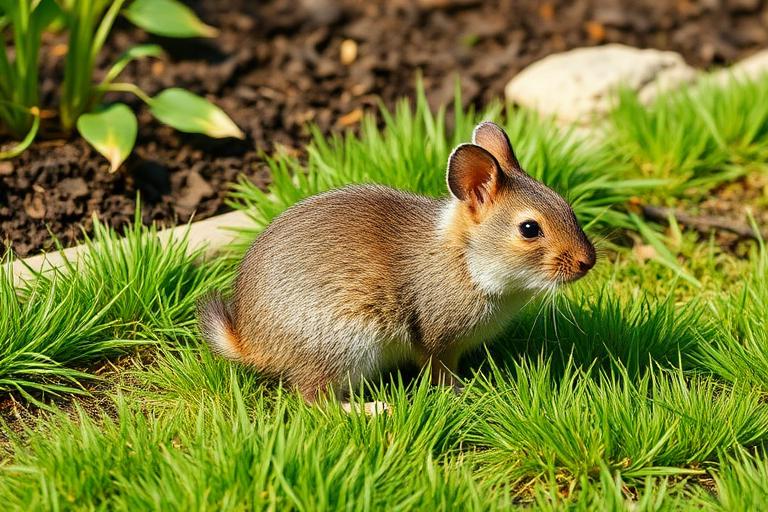
How to identify voles
- What it looks like
- Compact brown rodents with small eyes, short ears hidden in fur and a short tail.
- Size
- 4 to 7 inches
- Where you'll find it
- Lawns, mulch beds, tall grass, under snow cover and around shrubs.
- Commonly confused with
- Moles push up soil ridges and mounds; voles leave open surface trails.
Signs of voles in your home
- 1 to 2 inch wide surface runways in grass
- Gnawed bark at the base of shrubs
- Golf-ball-sized holes with no mound
Is it really voles? Side-by-side comparisons
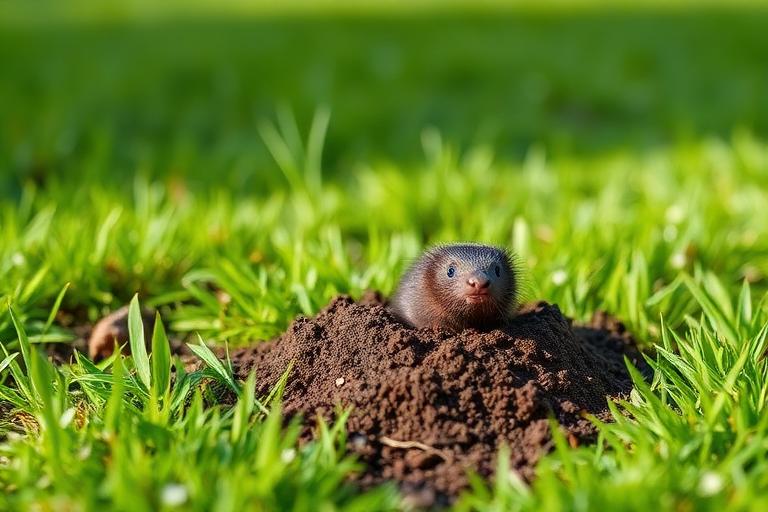
Moles create distinct conical soil mounds or raised tunnels; voles leave open surface runways, often without displaced soil.
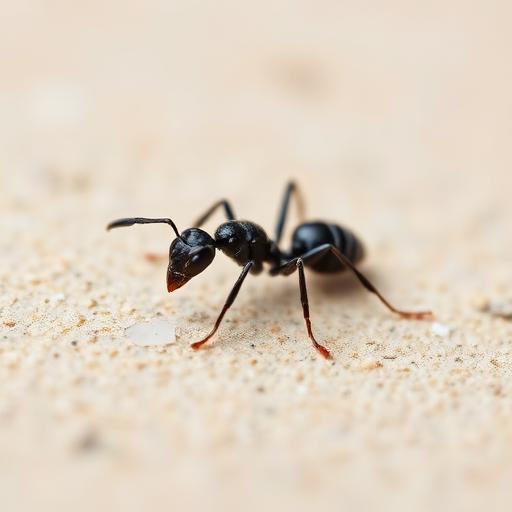
Shrews have long, pointed snouts and tiny eyes, often appearing more mouse-like. Voles have blunt faces and small, barely visible ears.
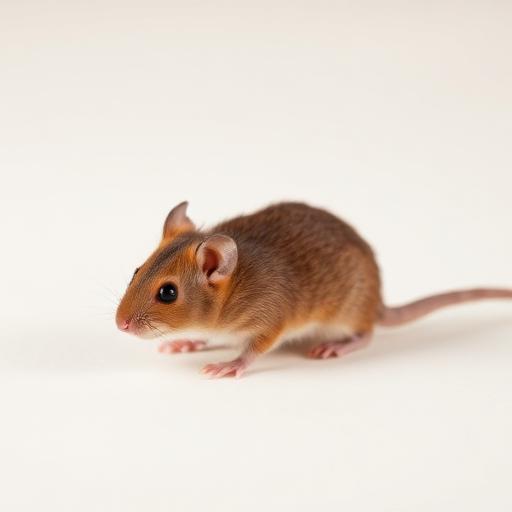
Mice, like house mice, have proportionally larger ears, longer tails, and more pointed snouts than the compact, short-tailed vole.
Young rats have proportionally larger heads and feet, and much longer, scaly tails compared to the short, furred tail of a vole.
Regional differences across the U.S.
Several vole species inhabit distinct regions. The meadow vole (Microtus pennsylvanicus) is widespread across the northern US, from New England through the Midwest to the Pacific Northwest, thriving in moist grasslands. The pine vole (Microtus pinetorum) is prominent in the eastern and southeastern US, preferring orchards and woodlands. California voles (Microtus californicus) are specific to California and Oregon, favoring dense vegetation. Seasonal activity varies; in northern states, voles remain active under snow cover, causing significant damage when snow melts in spring. In warmer southern regions, activity is more consistent year-round, though reproduction may slow in peak summer heat. Drought conditions in the West can push voles closer to irrigated lawns and gardens. Construction of new homes near agricultural fields or natural areas increases risk in all regions.
Life cycle and timing that changes treatment
Vole life cycles are rapid, with females producing multiple litters annually. Gestation is about 21 days, and young are weaned in 2-3 weeks, reaching sexual maturity in about a month. This leads to 5-10 litters per year, with populations capable of exploding under favorable conditions. Voles do not hibernate, remaining active and reproducing year-round, though breeding slows in winter and peak summer heat. Overwintering occurs as adults and juveniles.
How to inspect for voles, step by step
- 1
Look for narrow, well-worn runways (1-2 inches wide) through grass, connecting burrows, feeding sites, and cover, often under snow cover in winter.
- 2
Carefully inspect the base of trees, shrubs, and garden plants for gnaw marks, particularly irregular patterns on bark at or just below ground level.
- 3
Examine mulch beds and dense groundcover, pulling back material to reveal hidden burrows or feeding areas indicated by clipped plant stems.
- 4
Check for small, pea-sized droppings concentrated along runways or near burrow entrances, indicating active vole presence.
Treatment decision tree
| If you find this | Do this next |
|---|---|
| You observe occasional vole activity, such as a single runway or minor plant damage in a small area. | Implement cultural controls: mow grass short, remove dense groundcover, and install hardware cloth barriers around vulnerable plants. |
| Moderate vole damage is evident, with multiple runways and some plant loss, especially in gardens or landscaping. | Consider humane trapping with live traps; relocate captured voles at least 0.5 miles away into suitable, unmanaged habitat. |
| Persistent, localized vole populations are causing significant damage to specific valuable plants or small garden areas. | Deploy snap traps or specialized vole traps, strategically placed perpendicular to active runways and covered to protect non-targets. |
| Widespread vole activity is present across a large lawn or property, with extensive runway networks and substantial plant destruction. | Apply zinc phosphide-based baits, strictly following label instructions for placement within burrows or bait stations to minimize non-target exposure. |
| Vole populations are causing severe agricultural or landscape damage, or conventional methods have failed to control them. | Consult a licensed pest control professional for integrated pest management, potentially including burrow fumigants or multi-faceted baiting programs. |
Where DIY runs out of road
- • Over-the-counter granular repellents often offer limited, short-term efficacy and do not address established populations or burrow systems.
- • Improper use of rodenticides, especially broadcasting baits, can harm pets, wildlife, or contaminate the environment, making the problem worse.
- • DIY trapping without consistent effort or proper trap placement will only catch a fraction of the population, leading to rapid re-infestation.
When to call a professional
- • Extensive damage to valuable fruit trees or ornamental plantings is observed.
- • Repeated control attempts have failed to reduce vole activity on your property.
- • You suspect a large, entrenched vole population requiring specialized treatment methods.
Safety and legal limits
Always read and strictly follow all pesticide product labels. Many rodenticides are toxic to pets, children, and non-target wildlife. Use tamper-resistant bait stations for all outdoor baiting. Zinc phosphide baits, while effective, can be hazardous if ingested by non-target animals; ensure they are placed deep within burrows or in secure stations. Always wear appropriate personal protective equipment, such as gloves, when handling baits or dead voles. Dispose of deceased voles in sealed bags to prevent secondary poisoning of scavengers. State and local regulations may restrict certain control methods or require permits, especially near water bodies or protected habitats.
Voles questions homeowners ask
Are the trails in my lawn from moles or voles?
Raised soil tunnels and volcano-shaped mounds are moles; flattened grass runways at the surface are voles.
Vole control by city
Local technicians handle voles in every market below — pick your city for neighborhood coverage, seasonal notes and a free quote.
Related rodents pests
Sources and further reading
Guidance on this page is compiled from EPA, CDC and land-grant university extension IPM publications, which are linked in the sources section. It is general information, not a diagnosis or a treatment recommendation for your property.
- Rodents: health risks, cleanup and exclusion — U.S. Centers for Disease Control and Prevention
- Pest Notes: home and landscape pests — University of California Statewide IPM Program
- Integrated Pest Management (IPM) principles — U.S. Environmental Protection Agency
- Safe pest control in and around the home — U.S. Environmental Protection Agency