
Rodents
Norway rats: identification & norway rat control
Also known as: brown rats, sewer rats
Norway rats burrow along foundations, under sheds and near sewer lines and enter through low openings. We map burrows and runways, deploy tamper-resistant stations and traps, and seal ground-level entries.
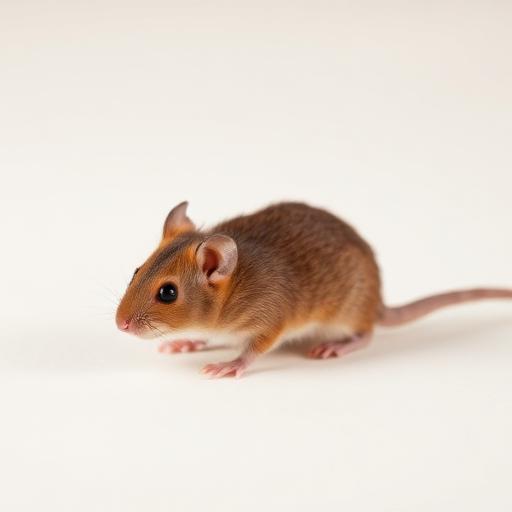
How to identify norway rats
- What it looks like
- Heavy-bodied brown rat with small ears, blunt nose and a tail shorter than the body.
- Size
- 7 to 10 inch body
- Where you'll find it
- Burrows near foundations, sewers, crawl spaces, basements, compost and dumpsters.
- Commonly confused with
- Roof rats are slimmer with large ears and a tail longer than the body.
Signs of norway rats in your home
- Burrow holes 2 to 4 inches wide
- Capsule-shaped droppings with blunt ends
- Greasy rub marks on walls
- Gnawed door corners
Is it really norway rats? Side-by-side comparisons
Norway rats have a tail shorter than their body length, while roof rats' tails are notably longer than their body.
Norway rats are significantly larger, measuring 7-10 inches (body only), whereas house mice are only 2.5-4 inches.
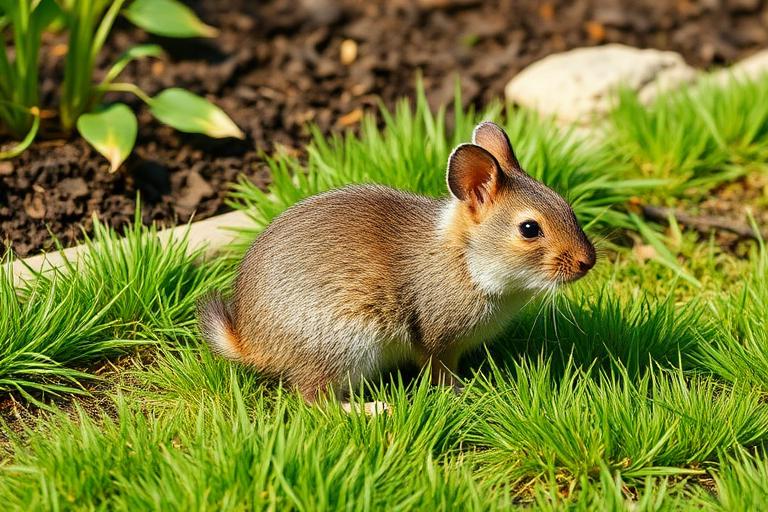
Norway rats have hairless, scaly tails; voles have shorter, furrier tails and often burrow in lawns, not structures.
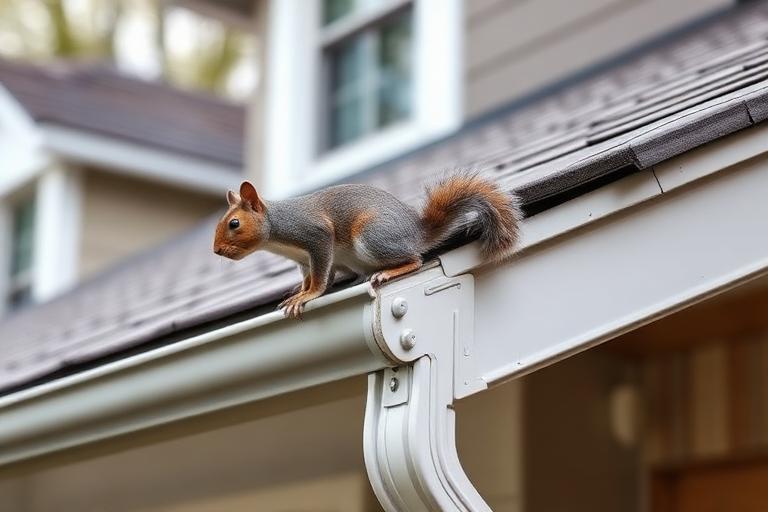
Norway rats have a more robust, brownish-gray body, small ears, and a blunt snout; juvenile squirrels are often lighter brown with bushier tails.
Regional differences across the U.S.
Norway rats are prevalent across the contiguous United States, particularly in urban and suburban areas. In the Northeast and Midwest, populations are consistently high due to older infrastructure providing ample harborage in basements and sewers. In warmer states like California and Florida, Norway rats compete with roof rats, often dominating ground-level habitats while roof rats occupy elevated spaces. Seasonal activity peaks in autumn as temperatures drop, prompting rats to seek shelter indoors across all regions. Construction type, such as slab foundations versus crawl spaces, can influence entry points and harborage, with older, less maintained buildings presenting higher risk.
Life cycle and timing that changes treatment
Norway rats typically live for about one year. Females can produce 4-7 litters annually, with 8-12 pups per litter. Pups reach sexual maturity in approximately 3-4 months. The gestation period is about 21-23 days. There is no true overwintering or hibernation; breeding continues year-round indoors, but outdoor activity may decrease in colder months, prompting increased indoor intrusions.
How to inspect for norway rats, step by step
- 1
Look for burrows (2-4 inches in diameter) along building foundations, under dense vegetation, or near garbage containers using a flashlight at a low angle.
- 2
Examine accessible areas in basements, crawl spaces, and utility tunnels for fresh droppings (capsule-shaped, 3/4 inch long) and rub marks along walls.
- 3
Use a high-intensity flashlight to identify gnaw marks on wood, wires, and pipes, especially near potential entry points or food sources.
- 4
Place non-toxic tracking dust or flour in suspected pathways overnight to detect fresh footprints and tail drags, indicating active travel routes.
Treatment decision tree
| If you find this | Do this next |
|---|---|
| You find a single rat dropping or minor gnaw mark outdoors near a compost pile. | This suggests transient activity. Immediately secure all outdoor food sources, clean up spills, and ensure trash lids are tight-fitting. |
| You observe occasional droppings or gnaw marks in an attached garage or shed. | Evidence of entry is present. Seal all visible gaps (1/2 inch or larger) with copper mesh and concrete repair caulk. Deploy snap traps near activity. |
| You hear occasional scratching noises in walls or ceilings at night, or find droppings indoors. | Rats have likely gained indoor access. Conduct a thorough interior and exterior inspection to locate entry points. Set multiple snap traps in secure locations away from pets/children. |
| You repeatedly see rats during daylight hours, or find numerous droppings and extensive gnawing indoors. | This indicates a large, established infestation. Immediate, aggressive trapping and exclusion are necessary. Consider professional assistance due to high population density. |
| You find dead rats, notice a strong musky odor, or observe visible structural damage from gnawing indoors. | A severe, long-standing infestation is present. This situation requires prompt professional pest control intervention for effective eradication and sanitation. |
Where DIY runs out of road
- • Over-the-counter rodenticides carry risks of secondary poisoning to pets and wildlife, and rats can develop bait shyness, making control difficult.
- • DIY trapping efforts, if not comprehensive or properly placed, often catch only a fraction of the population, leading to continued breeding and infestation.
- • Improper sealing of entry points or failure to identify all harborage can lead to repeated re-infestation, making DIY exclusion efforts ineffective long-term.
When to call a professional
- • If you observe multiple rats regularly, especially during the day, indicating a high population.
- • When DIY trapping or exclusion methods fail to resolve the issue within a few weeks.
- • If you suspect rats are entering through sewers or inaccessible structural voids like wall cavities.
Safety and legal limits
Always read and follow all pesticide label directions completely; it is the law. Misuse can lead to ineffective control and harm to humans, pets, and non-target wildlife. Avoid applying rodenticides in areas accessible to children or pets. Consider bait stations for safety. Never use restricted-use pesticides; these are only for licensed professionals. For respiratory protection when cleaning up droppings or nests, use a P100 respirator and gloves to avoid hantavirus exposure, which can be carried by rodents in some regions. Proper ventilation is also crucial during cleanup.
Norway rats questions homeowners ask
What are the holes along my foundation?
Likely Norway rat burrows, especially with smooth entries and packed soil fans.
Norway rat control by city
Local technicians handle norway rats in every market below — pick your city for neighborhood coverage, seasonal notes and a free quote.
Related rodents pests
Sources and further reading
Guidance on this page is compiled from EPA, CDC and land-grant university extension IPM publications, which are linked in the sources section. It is general information, not a diagnosis or a treatment recommendation for your property.
- Rodents: health risks, cleanup and exclusion — U.S. Centers for Disease Control and Prevention
- Pest Notes: home and landscape pests — University of California Statewide IPM Program
- Integrated Pest Management (IPM) principles — U.S. Environmental Protection Agency
- Safe pest control in and around the home — U.S. Environmental Protection Agency