
Rodents
Roof rats: identification & roof rat control
Also known as: black rats, fruit rats, citrus rats
Roof rats travel utility lines and tree limbs into attics and soffits. Control means trapping in the attic, trimming access branches and sealing roof-line gaps, vents and tile edges.
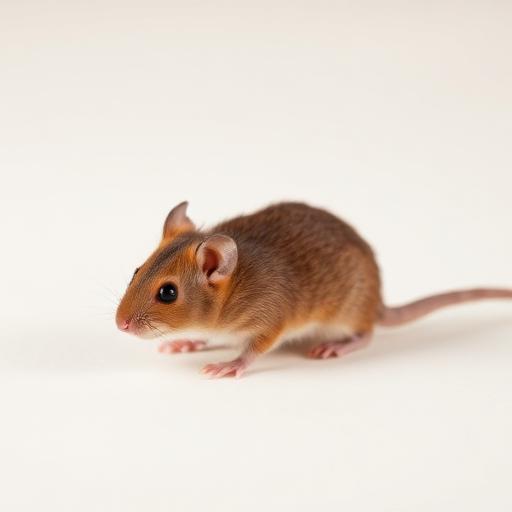
How to identify roof rats
- What it looks like
- Slender dark gray to black rat with large ears, pointed nose and a tail longer than the body.
- Size
- 6 to 8 inch body plus longer tail
- Where you'll find it
- Attics, soffits, palm trees, citrus trees, ivy, garages and rafters.
- Commonly confused with
- Norway rats are bulkier with small ears and a shorter tail.
Signs of roof rats in your home
- Running noises overhead at dusk
- Chewed fruit hollowed out on the tree
- Droppings with pointed ends in the attic
- Grease trails along rafters
Is it really roof rats? Side-by-side comparisons
Roof rats have large ears, a pointed snout, and a tail distinctly longer than their head and body combined; Norway rats are stockier with small ears and a shorter tail.
Roof rats are significantly larger, 6-8 inches body length, compared to the 2-4 inch body length of a house mouse; their droppings are also much larger.
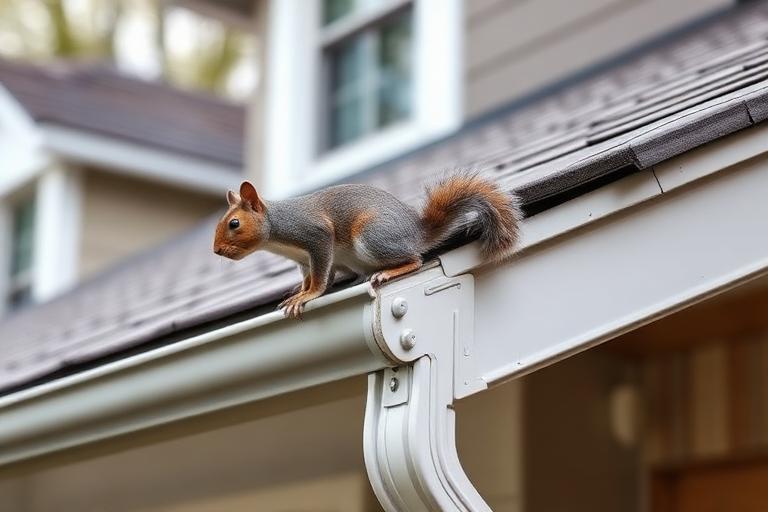
Roof rats are nocturnal; squirrels are diurnal. Observing activity at night strongly indicates rats, not squirrels, are present in the attic or yard.

Roof rat droppings are capsule-shaped, about 1/2 inch long; opossum droppings are much larger, cylindrical, and often contain undigested food matter like seeds.
Regional differences across the U.S.
Roof rats, *Rattus rattus*, exhibit regional variations in harborage and activity. In Southern California, Florida, and other warm coastal states, they frequently inhabit palm trees, citrus groves, and dense ivy, leading to roofline and attic infestations. These populations are active year-round with peak breeding in warmer months. In cooler regions, such as parts of the Pacific Northwest or states like Arizona with distinct seasons, roof rats may seek more consistent indoor harborage during colder periods, increasing risk to structures from late fall through early spring. Construction differences, such as open eaves or abundant fruit-bearing trees, increase regional vulnerability.
Life cycle and timing that changes treatment
Roof rats develop from pup to sexually mature adult in approximately 2-3 months. Females can produce 3-6 litters per year, each with 5-8 pups, under favorable conditions. While they do not truly overwinter, breeding activity may slow in colder climates. Continuous breeding cycles mean that populations can grow rapidly, necessitating prompt control measures once activity is detected, as new generations quickly reach reproductive maturity.
How to inspect for roof rats, step by step
- 1
Look for gnaw marks on electrical wires, plastic pipes, and wooden rafters in attics. Use a bright flashlight to inspect in low light conditions.
- 2
Examine fruit trees and ivy near structures for gnawed fruit, nests made of leaves/twigs, and fecal droppings, especially where branches touch the roof.
- 3
Place tracking dust or flour patches in suspected travel paths in the attic or garage. Check for footprints after 24-48 hours, indicating active runways.
- 4
Inspect rooflines, soffit vents, and eaves for entry points as small as 1/2 inch. Look for rub marks or oily stains where rats frequently pass.
Treatment decision tree
| If you find this | Do this next |
|---|---|
| You hear occasional scratching in the attic at night, and find no droppings. | This suggests initial exploratory activity. Set snap traps in the attic along joists and seal minor exterior entry points immediately. |
| You find scattered roof rat droppings and small gnaw marks in the attic or garage. | Evidence indicates an active, but likely small, infestation. Deploy multiple snap traps, consider bait stations outdoors, and seal all identified entry points. |
| You observe roof rats regularly in your yard, trees, or hear frequent activity in the attic. | This suggests a established population. Implement a comprehensive trapping program, outdoor baiting, and major exclusion work to prevent further ingress. |
| Multiple dead rats are found, or you detect a strong, persistent urine or musky odor in your home. | This indicates a severe, long-term infestation. Sanitation is compromised. Professional intervention is required for extensive cleanup and intensive control. |
| You discover roof rat activity in a daycare, school, or healthcare facility, or if bites occur. | This poses significant public health risks. Immediately contact a licensed pest control professional and local public health authorities for urgent management. |
Where DIY runs out of road
- • Over-the-counter rodenticides can lead to rats dying in inaccessible areas, causing severe odor issues and attracting secondary pests. These products rarely solve the root cause.
- • DIY trapping efforts are often insufficient for established populations, as rats can become trap-shy. Incomplete removal allows populations to rebound quickly.
- • Sealing only visible entry points, without proper identification of all access points and reducing attractants, will not prevent re-infestation; rats will find new ways in.
When to call a professional
- • Persistent rat activity despite diligent DIY trapping and exclusion efforts.
- • Infestation in commercial establishments, especially food service or healthcare.
- • Presence of rats in sensitive areas like children's rooms or food storage pantries.
Safety and legal limits
Always read and follow pesticide label instructions precisely; it is a federal violation to use a product inconsistent with its labeling. Rodenticides, even those available to homeowners, pose risks to children, pets, and non-target wildlife. Place all baits in tamper-resistant stations to prevent accidental exposure. Consider non-toxic snap traps as a safer alternative indoors. Wear appropriate PPE, such as gloves and a respirator, when handling dead rodents or cleaning up droppings, as they can transmit diseases like leptospirosis or hantavirus. Do not handle live or injured animals; contact animal control if needed.
Roof rats questions homeowners ask
What is running in my attic at night?
Fast, light scampering along the roof line is usually roof rats; heavier thumps suggest squirrels or raccoons.
Roof rat control by city
Local technicians handle roof rats in every market below — pick your city for neighborhood coverage, seasonal notes and a free quote.
Related rodents pests
Sources and further reading
Guidance on this page is compiled from EPA, CDC and land-grant university extension IPM publications, which are linked in the sources section. It is general information, not a diagnosis or a treatment recommendation for your property.
- Rodents: health risks, cleanup and exclusion — U.S. Centers for Disease Control and Prevention
- Pest Notes: home and landscape pests — University of California Statewide IPM Program
- Integrated Pest Management (IPM) principles — U.S. Environmental Protection Agency
- Safe pest control in and around the home — U.S. Environmental Protection Agency