
Rodents
Rodents: identification & rodent control
Rodent work is exclusion work. Technicians seal entry points as small as a dime, set tamper-resistant stations and traps in runways, and clean contaminated areas so droppings and pheromone trails stop attracting new rodents.
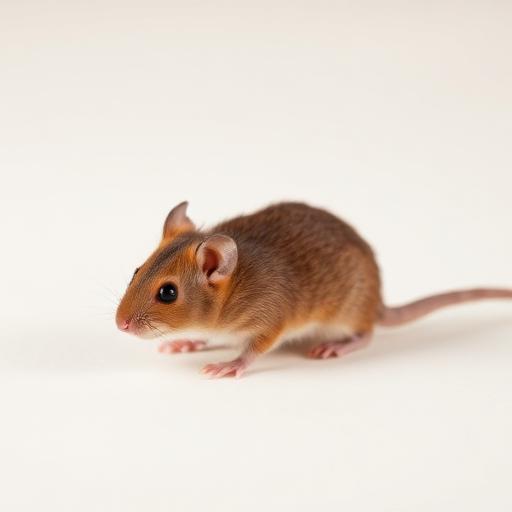
How to identify rodents
- What it looks like
- Furred bodies with chisel-like front teeth, rounded ears and a long scaled tail.
- Size
- 3 to 10 inches body length
- Where you'll find it
- Attics, wall voids, crawl spaces, garages, sheds, sewers and dense landscaping.
- Commonly confused with
- Shrews and voles; house mice have larger ears and longer tails than voles.
Signs of rodents in your home
- Dark rice-shaped droppings
- Gnaw marks on packaging or wire
- Scratching in walls at night
- Greasy rub marks along baseboards
Is it really rodents? Side-by-side comparisons
Shrews have pointed, elongated snouts, very small eyes, and velvety fur; they are not rodents but insectivores.

Voles have stockier bodies, shorter tails, and smaller ears that are often partially hidden in their fur, unlike mice.
Juvenile Norway rats have thicker tails relative to their body length compared to adult house mice, and larger feet.
Juvenile roof rats have proportionally longer tails than their body and larger ears compared to house mice.
Regional differences across the U.S.
The common house mouse (Mus musculus) is ubiquitous across all US regions. In the Northeast and Midwest, winter invasions of homes are common due to cold. The roof rat (Rattus rattus) dominates coastal areas, particularly Florida, California, and the Gulf Coast, and is arboreal. The Norway rat (Rattus norvegicus) is prevalent across the entire continental US, particularly in urban and agricultural areas, and is burrowing. Construction differences, such as slab foundations in the South versus basements in the North, influence entry points. Climate-driven food scarcity or heavy rains can force rodents indoors across all regions.
Life cycle and timing that changes treatment
Rodents exhibit rapid reproduction. House mice reach sexual maturity at 6-8 weeks, with gestation lasting 19-21 days, producing 5-6 pups per litter, and 5-10 litters annually. Norway and roof rats mature in 2-5 months, with gestation around 22 days, producing 6-12 pups per litter, 3-6 litters per year. Generations overlap, allowing continuous breeding in suitable conditions. Overwintering occurs indoors or in protected outdoor burrows, making year-round control essential.
How to inspect for rodents, step by step
- 1
Use a powerful flashlight to inspect baseboards, particularly in kitchens and pantries, for greasy rub marks or fresh droppings, indicating travel paths.
- 2
Examine attic insulation, crawl spaces, and subfloors for tunnels, nests made of shredded materials, and gnaw marks on wiring or structural elements.
- 3
Inspect exterior perimeter walls, especially near utility penetrations and foundations, for burrows (Norway rats) or evidence of climbing onto the roof (roof rats).
- 4
Deploy non-toxic glue board monitors in low-traffic areas like behind appliances or inside cabinets to confirm activity and identify species without baiting.
Treatment decision tree
| If you find this | Do this next |
|---|---|
| You find scattered droppings or a single gnaw mark on a food package indoors. | This indicates early activity or exploration. Set snap traps with peanut butter in confined, undisturbed areas and seal food sources. |
| You hear occasional scratching noises in walls or attic at night and find consistent droppings. | Evidence suggests an established presence. Implement trapping (snap traps) and begin exterior exclusion work on visible entry points. |
| You regularly see live rodents during the day or discover multiple active nests. | This indicates a significant infestation. Aggressive trapping with multiple devices and comprehensive exclusion are required. |
| You observe damage to electrical wiring, structural wood, or find deceased rodents with signs of disease. | Damage to wiring poses a fire hazard; disease transmission is a risk. Immediate professional intervention is strongly advised. |
| You detect a strong, persistent urine odor, see numerous fresh droppings, and observe multiple rodents. | This signifies a severe, entrenched infestation requiring professional assessment, extensive baiting (if appropriate), and exclusion by a licensed pest control operator. |
Where DIY runs out of road
- • Over-the-counter rodenticides often contain anticoagulants that can cause secondary poisoning to pets or wildlife if not used correctly.
- • Improper use of baits or traps without addressing entry points only provides temporary relief, leading to recurring infestations and bait shyness.
- • DIY sealing of entry points may miss subtle access points or be done with materials easily gnawed through, making the problem worse.
When to call a professional
- • Persistent rodent activity after 1-2 weeks of diligent DIY trapping and sanitation.
- • Discovery of large-scale infestations, particularly involving roof or Norway rats.
- • Evidence of structural damage or potential health risks associated with rodent presence.
Safety and legal limits
Always read and follow all pesticide label instructions explicitly; the label is the law. Never apply rodenticides in locations accessible to children, pets, or non-target wildlife. Consider using tamper-resistant bait stations for all outdoor or accessible bait placements. Avoid 'restricted-use' pesticides unless you are a certified applicator. When cleaning up rodent droppings or nesting materials, always wear gloves and a respirator, and use a disinfectant to prevent hantavirus or other disease transmission. Some local regulations may prohibit rodenticide use in certain areas to protect wildlife, such as raptors; consult local authorities.
Rodents questions homeowners ask
Is it mice or rats in my attic?
Droppings under 1/4 inch and light scurrying means mice; droppings 1/2 inch or larger with heavy thumping usually means roof rats.
How do rodents get inside?
Mice fit through a dime-sized hole and rats through a quarter-sized one — roof lines, dryer vents, garage door corners and utility penetrations are the usual routes.
Rodent control by city
Local technicians handle rodents in every market below — pick your city for neighborhood coverage, seasonal notes and a free quote.
Related rodents pests
Sources and further reading
Guidance on this page is compiled from EPA, CDC and land-grant university extension IPM publications, which are linked in the sources section. It is general information, not a diagnosis or a treatment recommendation for your property.
- Rodents: health risks, cleanup and exclusion — U.S. Centers for Disease Control and Prevention
- Pest Notes: home and landscape pests — University of California Statewide IPM Program
- Integrated Pest Management (IPM) principles — U.S. Environmental Protection Agency
- Safe pest control in and around the home — U.S. Environmental Protection Agency